
Home TechnologyThe algorithm will see you now, Out Loud...
Technology⭐ Featured

The algorithm will see you now, Out Loud

Radiology combines digital images, clear benchmarks, and repeatable tasks. But replacing humans with AI is harder than it seems.
6 April 2026 at 01:00 pm
1 views
The algorithm will see you now, Out Loud

In recent years, the integration of artificial intelligence (AI) into various industries has been a topic of intense debate. One such industry is radiology, where the potential for AI to revolutionize the field by analyzing medical images is undeniable. However, the journey towards replacing human radiologists with AI systems is fraught with challenges, as the complexities of medical imaging and the need for precise, context-aware analysis make this transition more difficult than initially anticipated.

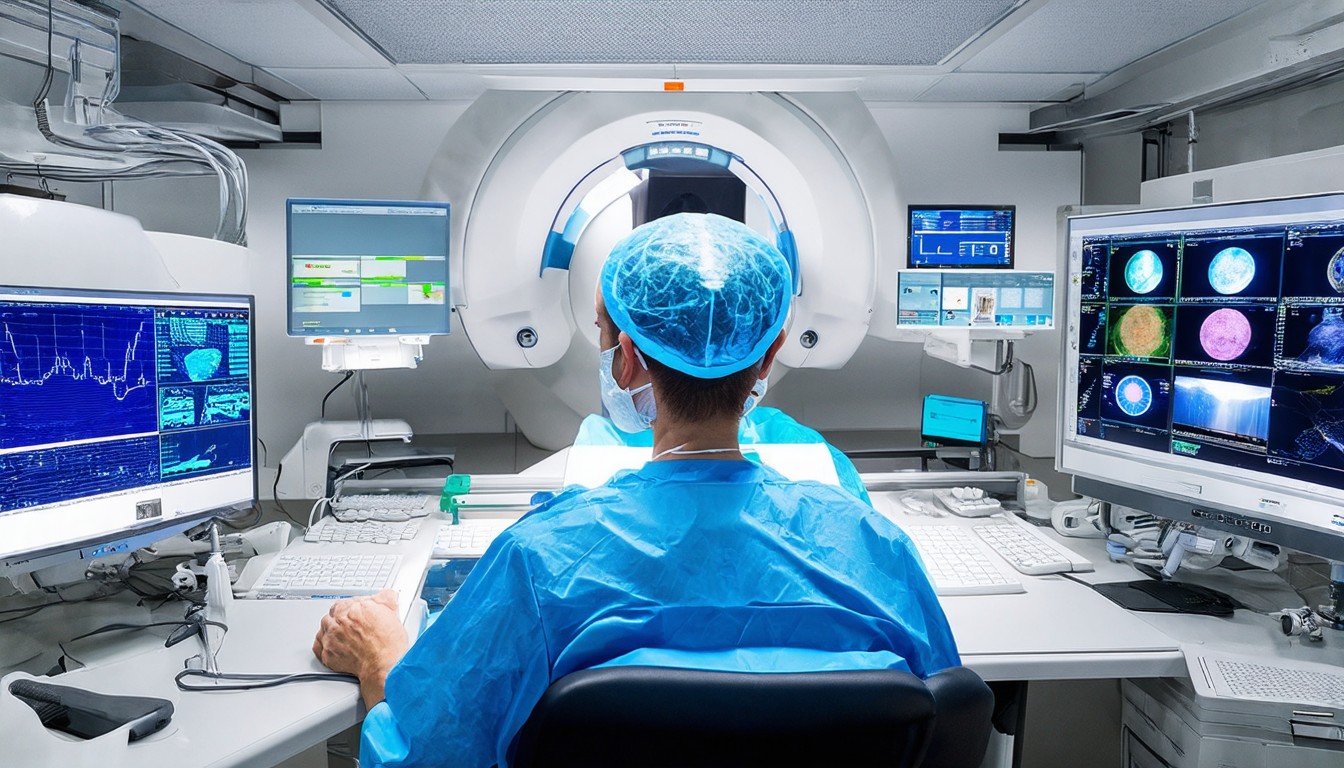
Radiology stands out as a field ripe for AI adoption due to its reliance on digital images, clear benchmarks, and repeatable tasks. Medical imaging, such as X-rays, CT scans, and MRIs, involves analyzing large volumes of data to identify patterns and anomalies that can indicate potential health issues. These tasks are inherently structured, with standardized protocols and metrics for evaluating diagnostic accuracy. This structure suggests that AI, with its ability to process vast amounts of data quickly and consistently, could potentially match or even surpass human radiologists in certain aspects of image analysis.

Despite these advantages, the path to AI-driven radiology is not without obstacles. One of the primary challenges is the need for AI systems to understand the context and nuances of medical images. Radiology is not just about identifying specific features in an image; it also involves interpreting those features in light of a patient's medical history, symptoms, and other relevant factors. AI models, while capable of recognizing patterns, may struggle with the subtleties of context that are crucial for accurate diagnoses.

Another challenge lies in the development and validation of AI algorithms. To be considered a viable alternative to human radiologists, AI systems must demonstrate a high level of accuracy and reliability. This requires rigorous testing and validation against large, diverse datasets that represent the full range of medical conditions and imaging scenarios. Furthermore, the benchmarks for evaluating AI performance in radiology must be carefully designed to ensure that they accurately reflect the complexities of real-world clinical settings.

Moreover, the integration of AI into radiology workflows raises important ethical and regulatory considerations. The decision to replace human radiologists with AI systems would have significant implications for patient care, job displacement, and the overall quality of medical services. Regulatory bodies must establish clear guidelines and standards to ensure that AI systems are safe, effective, and transparent in their decision-making processes.

Despite these challenges, the potential benefits of AI in radiology are undeniable. AI can augment human radiologists by automating routine tasks, freeing up time for more complex analyses. It can also help identify patterns and anomalies that may be overlooked by human analysts, potentially leading to earlier and more accurate diagnoses. Additionally, AI can improve the efficiency and accessibility of medical imaging services, particularly in underserved areas where the shortage of radiologists is acute.

In conclusion, the integration of AI into radiology presents a complex interplay of opportunities and challenges. While the structured nature of medical imaging and the need for precise analysis make AI a promising tool, the complexity of contextual interpretation, the development of robust algorithms, and the ethical considerations surrounding AI adoption must be carefully addressed. As the field progresses, it will be crucial to strike a balance between leveraging the power of AI and ensuring that it complements, rather than replaces, the critical role of human radiologists in delivering accurate and compassionate care.


📰 Related News
Ekaya Banaras Founder Palak Shah’s ₹40 Lakh Billboard Mistake Became a Masterclass in Startup Marketing
Ekaya Banaras founder Palak Shah recently opened up about one of the most expensive mistakes she made while building her luxury textile brand. During the early years of the company, Shah rented a premium billboard near Delhi’s DLF Emporio to increase brand visibility. However, after forgetting to cancel the campaign, the hoarding reportedly continued running for months — resulting in losses of nearly ₹40 lakh. The incident has now become a viral example of how small operational oversights can turn into costly business lessons for startups and entrepreneurs.
28 May
Betting On AI: Jensen Huang And NVIDIA’s Rise To The Top
Before AI was inevitable, it was a gamble—and Jensen Huang went all in.
14 Apr
Red Hat OpenShift sandboxed containers 1.12 and Red Hat build of Trustee 1.1 bring confidential computing to bare metal and AI workloads
Red Hat is excited to announce the release of Red Hat OpenShift sandboxed containers 1.12 and Red Hat build of Trustee 1.1, marking a major leap forward in our confidential computing journey. These releases graduate confidential containers on bare metal from …
14 Apr
Large AI firms hoovering maximum funding, not enough for smaller startups: Y Combinator’s Ankit Gupta
YC Startup School: India’s talent pool across colleges and universities are key for building next-gen startups, which is what YC is looking to tap into. It wants to target entrepreneurs building for global markets, focussed on fintech, consumer, B2B, and ecom…
14 Apr
TSMC likely to book fourth straight quarter of record profit on insatiable AI demand
TSMC-RESULTS/ (PREVIEW, PIX):PREVIEW-TSMC likely to book fourth straight quarter of record profit on insatiable AI demand
14 Apr
TSMC likely to book fourth straight quarter of record profit on insatiable AI demand
Any profit result ‌above T$505.7 billion would mark the company's highest-ever quarterly net income ​and its ninth consecutive quarter of profit growth
14 Apr
TSMC likely to book fourth straight quarter of record profit on insatiable AI demand
On Thursday, ​TSMC is expected to report a net profit of $17.1 billion for the quarter, according to an LSEG SmartEstimate compiled from 19 analysts. The war in the Middle East threatens to disrupt the supply of production materials for semiconductors such as…
14 Apr
If we can’t kick the habit, how do we manage AI’s energy needs?
One can only hope that OpenAI’s Sam Altman was joking when he sought to justify the immense energy consumption of artificial intelligence
14 Apr
What caused Nvidia Blackwell GPU prices to spike? #tech
Blackwell GPU hourly “rent” surges on agentic AI demand A compute pricing index tracking hourly costs for Nvidia Blackwell GPUs shows a sharp climb: hourly rental hit $4.08 , up 48% from $2.75 just two months earlier. The reported driver is rising demand tied…
14 Apr
Anthropic Releases Claude Mythos Preview with Cybersecurity Capabilities but Withholds Public Access
Anthropic has introduced Claude Mythos Preview, its most advanced AI model, improving significantly in reasoning, coding, and cybersecurity. Unlike previous releases, it will not be publicly available. Access is limited to a consortium of tech companies throu…
14 Apr







