
The AI Effect Or Just A Cover: What’s Behind Big Tech Layoffs This Year?
AI was supposed to change how we work, boosting efficiency and giving a fillip to human expertise. Instead, something unsettling…
The AI Effect Or Just A Cover: What’s Behind Big Tech Layoffs This Year?
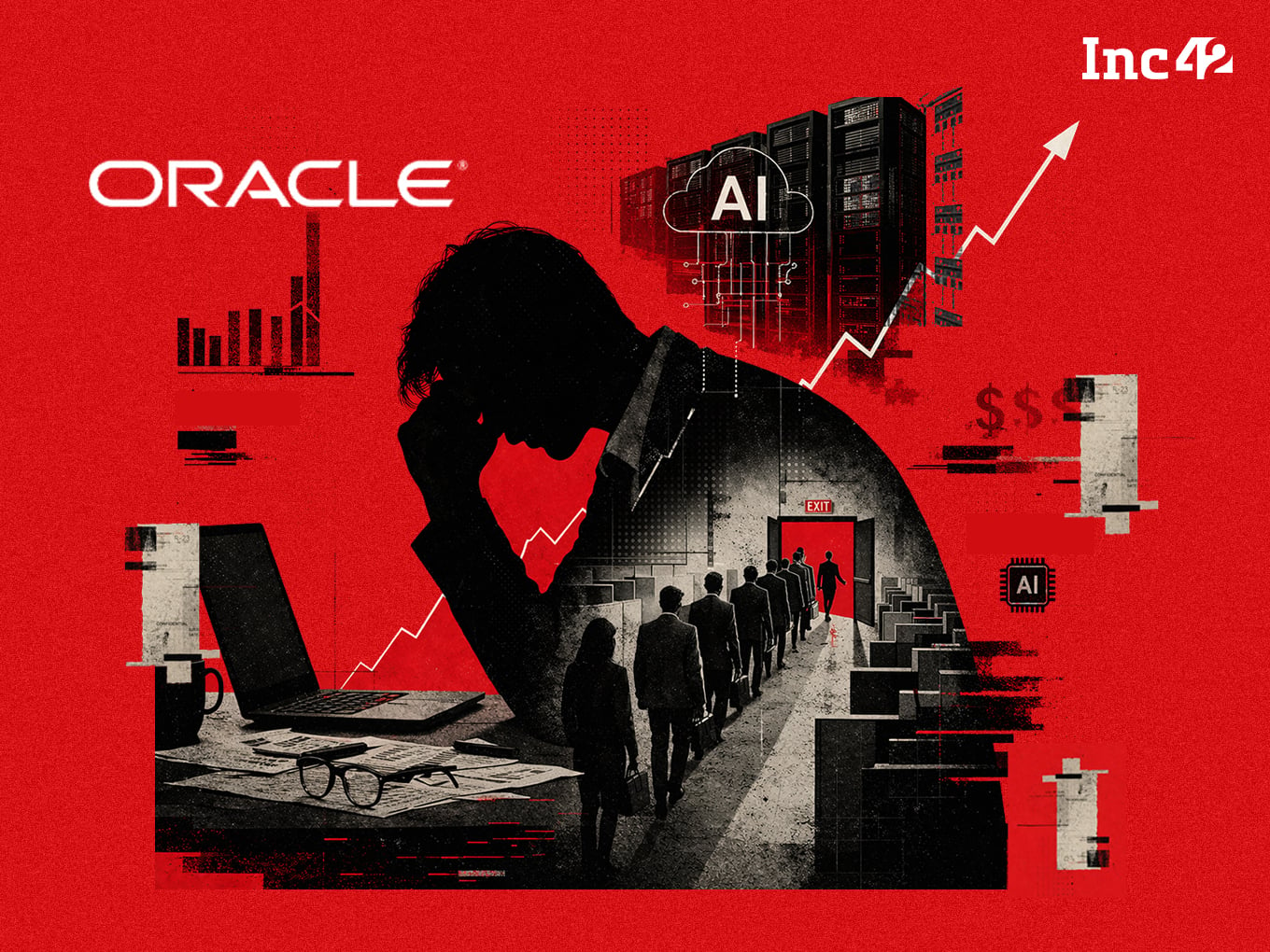
AI was supposed to change how we work, boosting efficiency and giving a fillip to human expertise. Instead, something unsettling has begun to unfold. The apprehension that AI would one day throw people out of their jobs has arrived way too early, with thousands of big tech employees waking up to early-morning emails: “Unfortunately, your role has become redundant in a company-wide restructuring effort.” That’s what’s happening at large tech companies, and technology giant Oracle is just one case in point.
Recently, the company laid off 30,000 employees globally. In the final week of March itself, as many as 10,000 employees (across divisions, including cloud and engineering teams) reportedly woke up to an early morning email informing them that their roles had been eliminated, placing them on an immediate notice period, or garden leave, in Oracle’s lingo. The news has once again sparked the debate that workforce reductions are directly tied to the unabated rise of AI.
As far as Oracle is concerned, the reason behind job cuts is tied to its growing investments in this space. Sources privy to the development told Inc42 that Oracle’s India Development Center (IDC) alone may have seen up to 4,000 layoffs last week. Meanwhile, employees in the Oracle Financial Services Software (OFSS) division reportedly lost access to internal systems on April 1 and 2, retaining only email access before receiving formal termination notices and being placed on immediate two-month garden leave. Oracle India employs over 50,000 people out of its global workforce of 1,60,000+.
According to a termination email reviewed by Inc42, affected employees are being offered severance packages that include 15 days’ salary for every completed year of service, two months of paid garden leave, along with gratuity and leave encashment.
Job Cuts Fuel Future AI Ambitions
At the heart of Oracle’s layoffs is an aggressive push toward AI and cloud infrastructure. The company is reallocating capital from legacy systems and traditional business lines to invest in cutting-edge technologies that promise to reshape the industry. This strategic shift is driven by the belief that AI and cloud solutions will be the cornerstone of future growth and competitiveness in the tech sector.
Oracle’s decision to prioritize AI and cloud aligns with broader trends in the industry. Many tech giants, including Microsoft, Amazon, and Google, have also been investing heavily in AI research and development, positioning themselves as leaders in the field. The rapid advancement of AI technologies has created a race to the top, with companies striving to develop innovative solutions that can enhance productivity, automate tasks, and deliver new services to customers.
However, the rapid pace of innovation and the pressure to deliver results have also led to significant workforce adjustments. As AI systems become more sophisticated and capable of handling complex tasks, there is a growing concern that they may replace human workers in various roles. This has prompted many companies to reassess their workforce strategies and reallocate resources to focus on areas where human expertise is still critical.
While Oracle’s layoffs have been met with widespread concern and criticism, the company has argued that the reductions are necessary to streamline operations and focus on high-growth areas. In a statement to Inc42, Oracle emphasized that the layoffs are part of a strategic restructuring effort aimed at positioning the company for long-term success in the evolving tech landscape.
The company also highlighted that it is investing in AI and cloud infrastructure to create new opportunities and drive growth. Oracle has announced plans to hire thousands of new employees in these areas, reflecting its commitment to leveraging AI and cloud technologies to shape the future of the industry.
Despite these assurances, the layoffs have raised questions about the true impact of AI on employment. Critics argue that the rapid pace of technological change is leading to job losses in ways that were not anticipated, and that the benefits of AI are not being shared equitably among workers.
Others contend that the layoffs are not solely due to AI but are also a result of broader economic challenges, such as slowing demand and increased competition. They point out that many companies are under pressure to cut costs and improve efficiency, leading to workforce reductions that may not be directly tied to AI.
Regardless of the underlying reasons, the layoffs at Oracle and other tech companies have underscored the complex relationship between AI and employment. As AI continues to evolve and become more integrated into our daily lives, it will be crucial for policymakers, businesses, and society as a whole to navigate these changes in a way that ensures that the benefits of AI are shared equitably and that workers are not left behind.
In the meantime, the tech industry will likely continue to grapple with the challenges posed by AI and the need to balance innovation with workforce stability. As companies like Oracle invest heavily in AI and cloud infrastructure, the question of whether these layoffs are a necessary step toward a brighter future or a cover for other business decisions will remain a topic of debate and discussion.









