Thailand to control crude palm oil exports, bottled prices starting April 7
The year-long measures will not impact farmers, who will continue to be protected by the government.
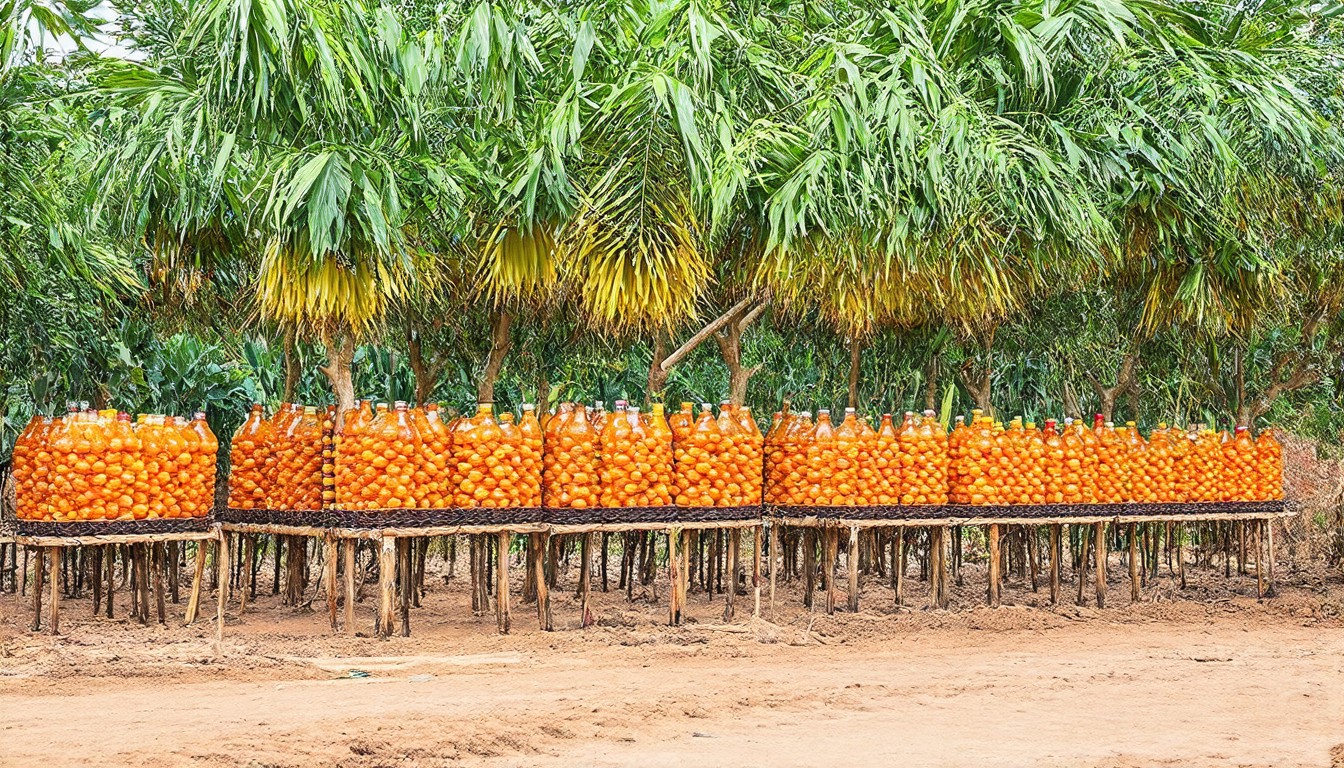
Thailand has announced plans to impose controls on the export of crude palm oil, effective from April 7, as part of a year-long initiative aimed at stabilizing domestic prices. The move comes as global palm oil prices have fluctuated significantly, leading to concerns about the impact on consumers and the broader economy.
The Thai government's decision to regulate crude palm oil exports is part of a broader strategy to manage inflation and ensure price stability for consumers. Crude palm oil, which is a key raw material for the production of soaps, detergents, and other consumer goods, has seen price volatility in recent months due to factors such as global supply and demand dynamics, as well as geopolitical tensions.
Despite the measures, the government has reassured farmers that they will not be negatively affected. Farmers, who have traditionally been a significant source of support for the Thai economy, will continue to receive government protection and support. This is crucial, as the palm oil industry plays a vital role in the livelihoods of many rural communities in Thailand.
The year-long export controls are expected to help curb the rapid increase in bottled prices that have been observed in recent months. By limiting the amount of crude palm oil that can be exported, the government aims to ensure a steady supply of the raw material within the country, thereby preventing further price hikes.
The decision to impose export controls has been welcomed by many consumers and businesses in Thailand, who have been grappling with the rising cost of goods. Retailers and manufacturers have expressed relief at the prospect of more stable prices, which will help them plan more effectively and maintain competitiveness in the market.
However, the move has also raised questions about its potential impact on Thailand's international trade relations. As one of the world's largest exporters of palm oil, Thailand has a significant stake in the global market. The export restrictions could potentially lead to a shortage of crude palm oil in other countries, which might in turn affect global prices and supply chains.
To mitigate any negative effects on the global market, the Thai government has pledged to work closely with international partners and stakeholders. Officials have emphasized that the export controls are a temporary measure, designed to address the specific challenges facing the domestic market.
In the meantime, the government is encouraging domestic producers to ramp up their production to meet local demand. This includes supporting research and development initiatives aimed at improving palm oil quality and increasing yields.
The export controls on crude palm oil are part of a broader set of economic policies being implemented by the Thai government in response to the current economic challenges. These measures are intended to provide stability and support for both consumers and producers, ensuring that the country can navigate the volatile global market with resilience.
As the year-long measures take effect, the Thai government will closely monitor the situation to ensure that the intended goals are being achieved. Regular assessments will be conducted to determine whether adjustments are needed to the export controls, in order to balance the needs of the domestic market with the country's international trade obligations.
In conclusion, Thailand's decision to impose export controls on crude palm oil is a significant move aimed at stabilizing domestic prices and protecting consumers from the effects of global price volatility. While the measures are expected to have a positive impact on the domestic market, they also highlight the complexities of balancing national interests with international trade dynamics. The government's commitment to supporting farmers and working with global partners is key to ensuring that the measures are effective and sustainable in the long term.