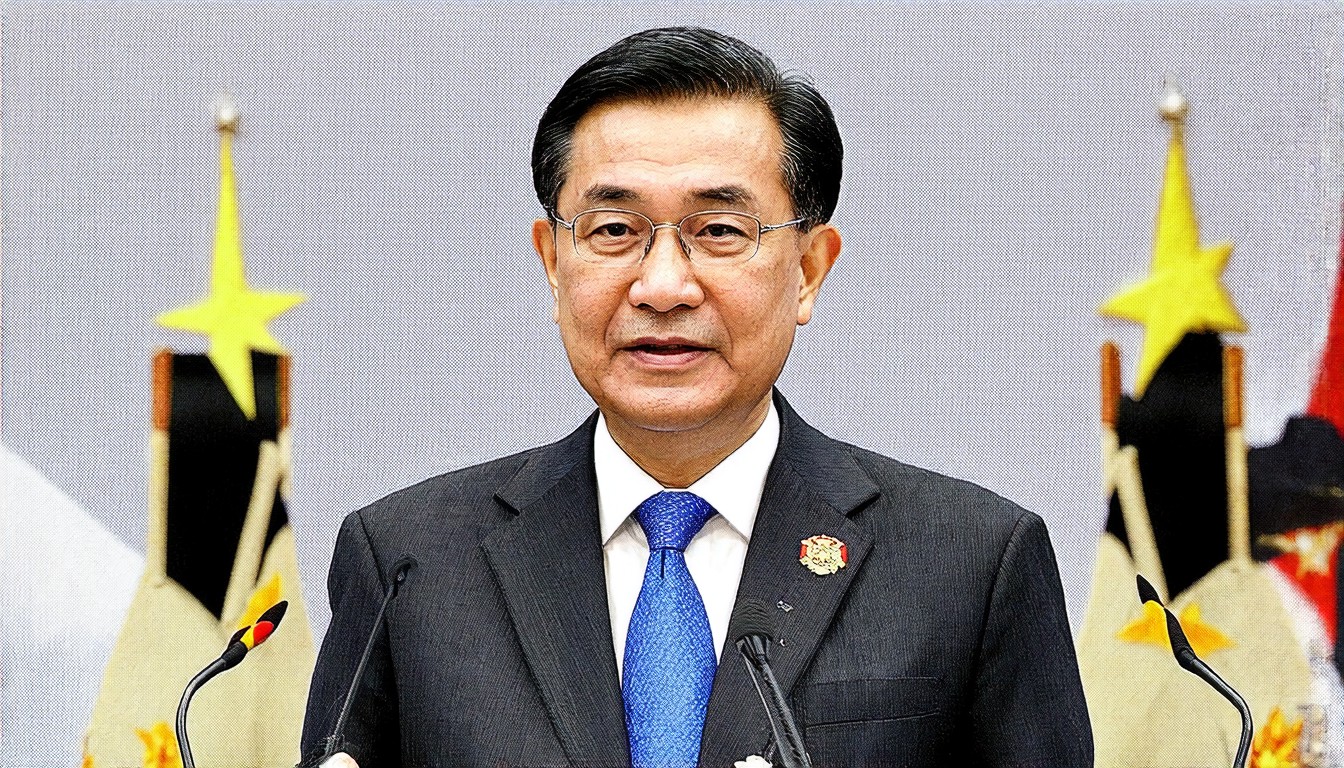
Thai PM Anutin vows to tackle economic fallout from Iran war
He said his government will restructure energy prices and divert some budget to help the public.
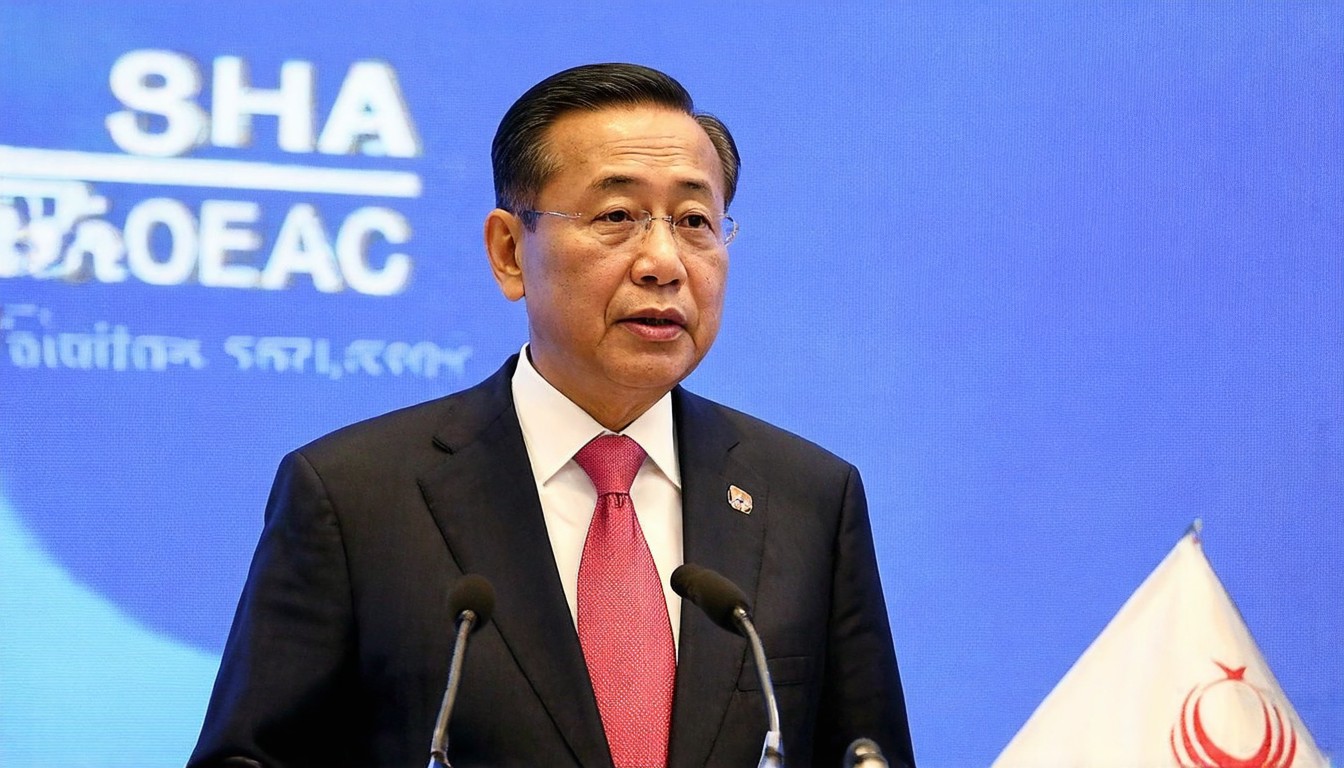
Thailand's Prime Minister Anutin Charnvirakul has pledged to address the economic challenges faced by the country due to the ongoing conflict in Iran, which has disrupted global oil markets. In a recent statement, Anutin emphasized the government's commitment to stabilizing the economy and supporting the public amid the rising energy prices and inflationary pressures.
The Iran war, which has escalated in recent months, has led to significant fluctuations in global oil prices, causing ripples across various economies. Thailand, being heavily reliant on imported oil for its energy needs, has felt the impact of these price hikes. The rising costs of fuel and electricity have strained household budgets and increased production costs for businesses, leading to concerns about economic growth and inflation.
In response to these challenges, Anutin announced that the government will restructure energy prices to mitigate the effects on consumers. This move aims to reduce the financial burden on households and small businesses, particularly those in vulnerable economic situations. The restructuring plan will involve adjusting the pricing mechanisms to ensure that energy costs remain manageable for the public.
In addition to restructuring energy prices, the Thai government has also decided to divert some of its budget to support the affected sectors and individuals. This financial assistance will be channeled through various programs and initiatives aimed at alleviating the economic hardships caused by the conflict in Iran. The government has pledged to monitor the situation closely and adjust its strategies as needed to ensure that the support reaches those in need.
Anutin highlighted the importance of maintaining economic stability and consumer confidence in the face of global uncertainties. He assured the public that the government is taking proactive measures to safeguard their well-being and to minimize the impact of the Iran war on Thailand's economy. The Prime Minister also emphasized the need for collaboration between the government, businesses, and the private sector to navigate these challenging times.
The government's decision to restructure energy prices and allocate additional budgetary support demonstrates its commitment to addressing the economic fallout from the Iran war. By taking these steps, Thailand aims to protect its citizens and businesses from the adverse effects of the conflict, ensuring that the nation remains resilient and adaptable in the face of global economic disruptions.
As the situation in Iran continues to evolve, Thailand's government will remain vigilant and responsive to any further changes in the energy market. The restructuring of energy prices and budgetary support are part of a broader strategy to stabilize the economy and promote sustainable growth, even in the face of external challenges.
In conclusion, Thailand's Prime Minister Anutin Charnvirakul has taken a firm stance in addressing the economic repercussions of the Iran war. By restructuring energy prices and diverting budgetary resources to support the public, the government is demonstrating its dedication to safeguarding the nation's economic stability and well-being. As the conflict in Iran persists, Thailand's proactive measures will be crucial in ensuring that the country remains resilient and adaptable to the evolving global economic landscape.