
Texas attorney general’s office under scrutiny for letting donors use hotel room bookings
The attorney general’s office reallocated taxpayer-funded rooms to donors and other private citizens, some of whom initially failed to cover the cost of the stay.
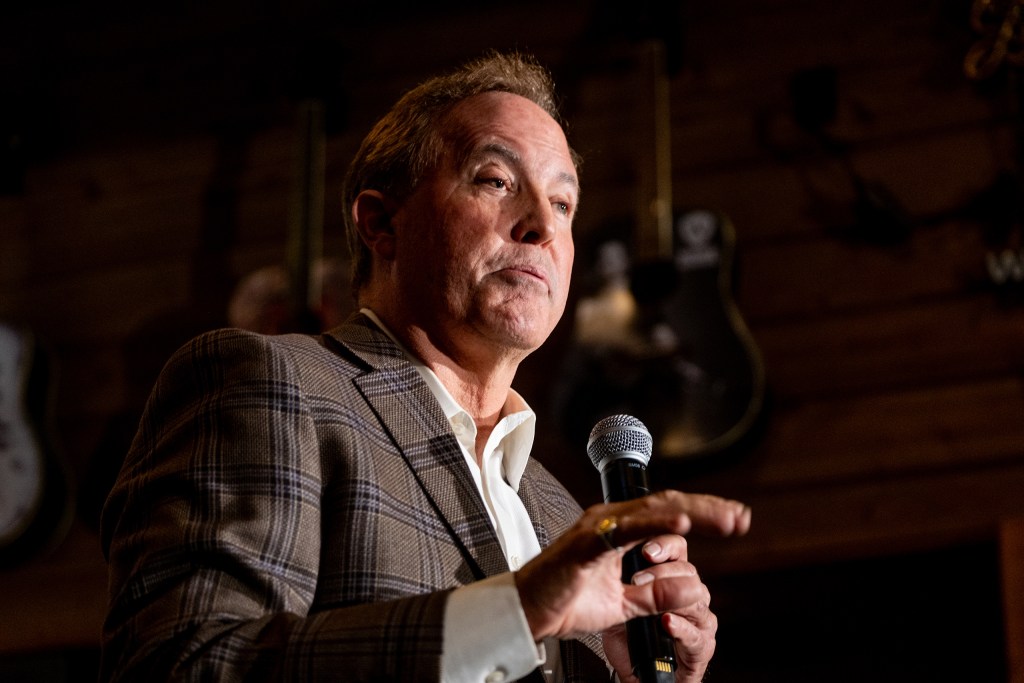
The Texas Attorney General’s office has come under scrutiny for its handling of taxpayer-funded hotel room bookings, with allegations that donors and private citizens were allowed to use these rooms without fully covering the costs. The controversy has raised questions about the office’s transparency and accountability, particularly as Texas Attorney General Ken Paxton is currently campaigning for a U.S. Senate seat.
The issue began when it was reported that the office had reallocated rooms booked for official purposes to individuals who were either donors to Paxton’s campaigns or private citizens. Some of these individuals reportedly failed to pay the full amount for their stays, leading to concerns that taxpayer money was being used to subsidize their accommodations.
The controversy has gained momentum as investigative journalists and watchdog groups have called for a detailed audit of the office’s hotel room allocations over the past several years. Critics argue that such practices could create conflicts of interest and undermine public trust in the integrity of the attorney general’s office.
In response to the allegations, the office has maintained that all bookings were made in accordance with state regulations and that no laws were broken. However, critics point out that the reallocation of rooms to donors and private citizens, even if done legally, raises ethical questions about the proper use of public funds.
The situation has also drawn attention to Paxton’s ongoing U.S. Senate campaign, which he announced in February 2026. As he seeks to expand his political influence, questions about the financial practices of his office have become increasingly relevant. Opponents argue that Paxton’s campaign aspirations may be influencing his handling of these matters, while supporters contend that the allegations are politically motivated.
The Texas Legislature has been urged to launch an independent investigation into the matter, with several lawmakers expressing concern over the potential misuse of taxpayer dollars. If the allegations are found to be true, the case could have serious implications for Paxton’s political career and the reputation of his office.
Meanwhile, Paxton’s campaign team has downplayed the allegations, insisting that the office’s actions were in line with standard protocols. They argue that the controversy is a distraction from the important work being done by the attorney general’s office in fighting against fraud and protecting Texan interests.
As the story unfolds, it remains to be seen whether an independent audit will be conducted and what, if any, consequences will be drawn from the alleged misuse of taxpayer-funded hotel rooms. Regardless of the outcome, the controversy serves as a stark reminder of the need for transparency and accountability in government institutions, particularly during election seasons when political figures are under increased scrutiny.
In the coming weeks, it is likely that more details will emerge, shedding light on the extent of the alleged misconduct and its potential impact on Paxton’s campaign. For now, the situation has become a focal point for political observers and the general public, highlighting the challenges faced by elected officials when balancing their public duties with private financial interests.
As the debate continues, it is clear that the Texas Attorney General’s office is facing significant pressure to address these allegations and demonstrate its commitment to fiscal responsibility. The outcome of this investigation could have lasting effects on Paxton’s political prospects and the public’s perception of his ability to govern effectively.
In conclusion, the Texas Attorney General’s office is currently embroiled in a controversy over the allocation of taxpayer-funded hotel rooms to donors and private citizens. While the office maintains that no laws were broken, the allegations have sparked calls for a thorough investigation and have raised questions about the ethical use of public funds. As Paxton vies for a U.S. Senate seat, the situation has become a point of contention in the political arena, with opponents and supporters clashing over the nature and implications of the alleged misconduct. The resolution of this issue will likely have significant ramifications for both the office and Paxton’s political career.








