
Tesla's stock suffers steepest drop of 2026 on disappointing deliveries report
Tesla is coming off a year of declining deliveries due in part to increased competition from rivals in China offering lower-cost models.
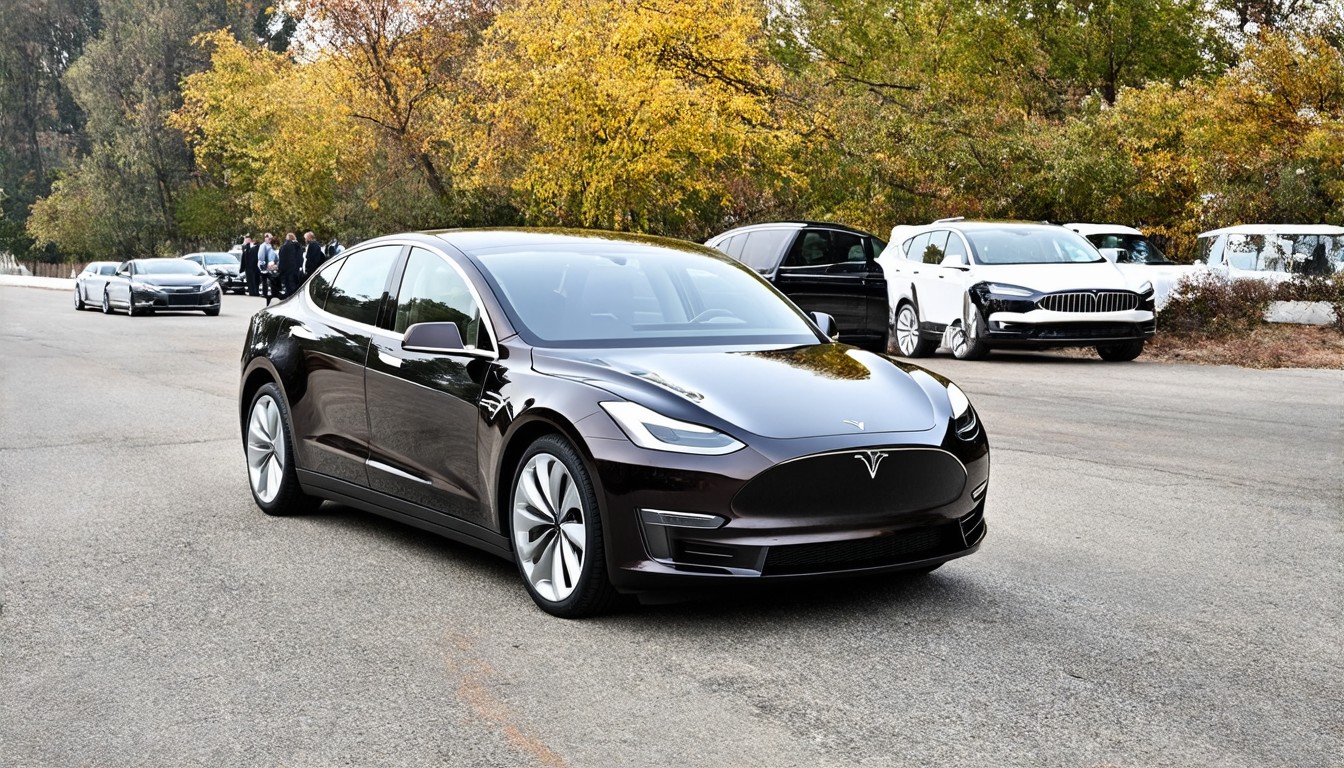
Tesla's stock plummeted on Monday, experiencing its steepest drop of 2026 following the release of a disappointing deliveries report. The company, once hailed as a pioneer in the electric vehicle (EV) market, is now facing mounting pressure from competitors, particularly those in China, who are offering more affordable models.
The decline in Tesla's stock price was a direct response to the company's announcement that its deliveries had fallen short of expectations. This marks a significant reversal for a company that has long been celebrated for its rapid growth and innovation in the EV sector. Analysts have pointed to several factors contributing to this downturn, with increased competition from Chinese automakers being a major concern.
Chinese automakers, such as BYD, NIO, and Xpeng, have been aggressively expanding their market presence, particularly in regions where price sensitivity is high. These companies have been able to offer electric vehicles at lower prices than Tesla, making them more attractive to price-conscious consumers. This has forced Tesla to reevaluate its pricing strategy and market positioning.
The impact of this competition is not limited to the immediate drop in Tesla's stock price. It also raises questions about the company's long-term sustainability and ability to maintain its market leadership. Tesla has traditionally relied on its premium brand image and technological edge to justify higher prices. However, with competitors offering more affordable options, the company may need to find new ways to differentiate itself and justify its pricing.
Moreover, the decline in deliveries is not just a short-term blip. It reflects a broader trend of slowing growth in the EV market, as more traditional automakers invest heavily in electric vehicles. This increased competition is forcing Tesla to adapt quickly if it is to remain competitive.
The situation is further complicated by the global economic downturn, which has led to reduced consumer spending and increased uncertainty. In such an environment, consumers are more likely to prioritize affordability over brand prestige, giving competitors an edge.
Tesla's response to these challenges has been mixed. The company has been working on reducing production costs and improving its supply chain to increase efficiency. It has also been investing in research and development to enhance its technology and offerings. However, the extent to which these efforts will be sufficient to counter the competitive pressures remains uncertain.
In the meantime, Tesla's stock continues to face significant volatility. Investors are closely watching the company's performance and strategic moves, as they weigh the potential risks and rewards of holding Tesla shares.
The situation underscores a broader trend in the automotive industry, where traditional players are being challenged by new entrants with innovative business models and cost-effective solutions. For Tesla, the key will be to navigate these challenges effectively and continue to innovate in ways that set it apart from its competitors.
As the company grapples with these issues, it remains to be seen whether it can recover from its recent setbacks and regain its position as a market leader. The coming months will be crucial for Tesla, as it strives to adapt to the changing landscape of the EV market and maintain its competitive edge.









