
Ten killed in Israeli strikes and clashes between Hamas and militia in Gaza, local sources say
The Israeli strikes reportedly targeted Hamas security personnel after they clashed with an Israeli-backed militia near Maghazi camp.
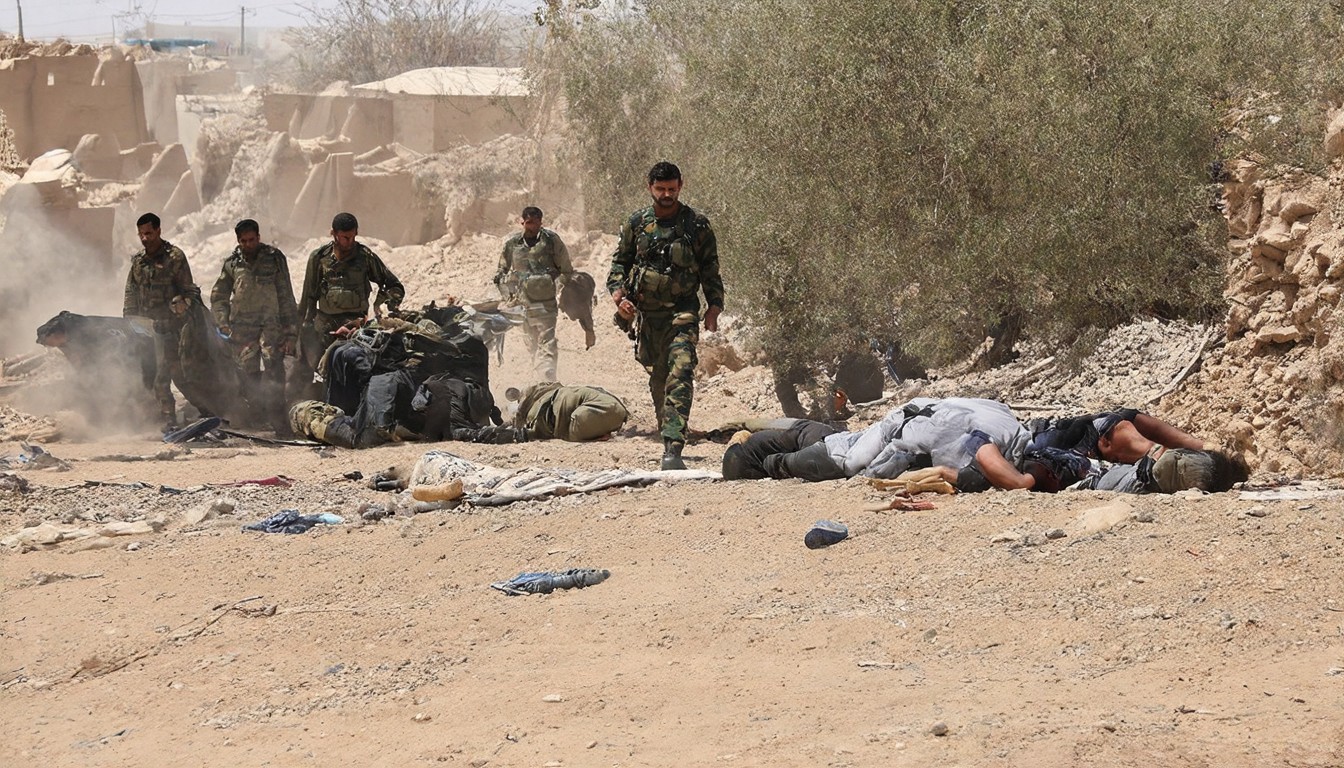
In the early hours of the morning, a series of Israeli airstrikes and violent clashes between Hamas and an Israeli-backed militia in the Gaza Strip have left at least ten people dead, according to local sources. The attacks and confrontations have intensified tensions in the already volatile region, raising concerns about the potential for further escalation.
The incidents began when an Israeli-backed militia, known as the Popular Resistance Committees (PRC), clashed with Hamas security forces near the Maghazi refugee camp. The clashes reportedly erupted over disputes over control of smuggling routes and territorial disputes within Gaza. The PRC, which is aligned with Israel, has been involved in periodic clashes with Hamas, the ruling faction in Gaza, over territorial and political rivalries.
In response to the clashes, Israeli forces conducted airstrikes that targeted Hamas security personnel. The strikes, which were carried out by Israeli warplanes, reportedly hit several locations in the Gaza Strip, including areas near the Maghazi camp. The Israeli military has not officially confirmed the details of the airstrikes, but local sources and Palestinian militants have reported the casualties and the nature of the attacks.
The death toll from the airstrikes and clashes stands at ten, with many of the victims being Hamas members. Among the casualties are also members of the Israeli-backed militia, indicating the intensity of the fighting. The exact number of injured individuals is unclear, but reports suggest that several dozen people have been wounded in the crossfire.
The situation in Gaza has been unstable for several months, with periodic clashes between Hamas and the Israeli-backed militias. These clashes are often fueled by tensions over control of Gaza's infrastructure, including the smuggling of goods and the management of the Strip's resources. The Israeli-backed militias, such as the PRC, have been accused of collaborating with Israel to undermine Hamas's authority and destabilize the region.
The recent violence has prompted international concerns about the humanitarian situation in Gaza. The United Nations and other humanitarian organizations have called for an end to the violence and urged all parties to exercise restraint. The situation in Gaza remains a focal point for global attention, as the ongoing conflict between Israel and Palestinian factions continues to impact the lives of civilians and threaten regional stability.
The Israeli government has not yet released an official statement on the airstrikes, but it has previously stated that it will take military action in response to attacks on its citizens or perceived threats to its security. Hamas, on the other hand, has condemned the Israeli strikes and accused Israel of targeting civilian infrastructure and security forces in Gaza.
The clashes and airstrikes have further complicated the already fragile political landscape in Gaza. The rivalry between Hamas and the Israeli-backed militias has deepened, raising questions about the future of the region and the prospects for peace. As the situation continues to unfold, it is likely to remain a significant challenge for both Israel and the Palestinian Authority, as well as for the international community working to broker a lasting solution to the ongoing conflict.
In the aftermath of the violence, families of the victims have called for accountability and an end to the cycle of violence. The local population in Gaza, already struggling with poverty and limited resources, faces the additional burden of insecurity and uncertainty. The recent events serve as a stark reminder of the ongoing challenges in achieving peace and stability in the region.
As the situation in Gaza continues to evolve, it will be crucial for all parties involved to exercise caution and engage in dialogue to address the root causes of the conflict. The international community must also play a role in supporting efforts to promote peace and reconciliation, ensuring that the lives of civilians are protected and that long-term solutions can be achieved. The recent violence in Gaza underscores the urgent need for a comprehensive approach to resolving the ongoing Israeli-Palestinian conflict and ensuring the security and well-being of all those living in the region.








