
Ten killed in Israeli strikes and clashes between Hamas and militia in Gaza, local sources say
The Israeli strikes reportedly targeted Hamas security personnel after they clashed with an Israeli-backed militia near Maghazi camp.
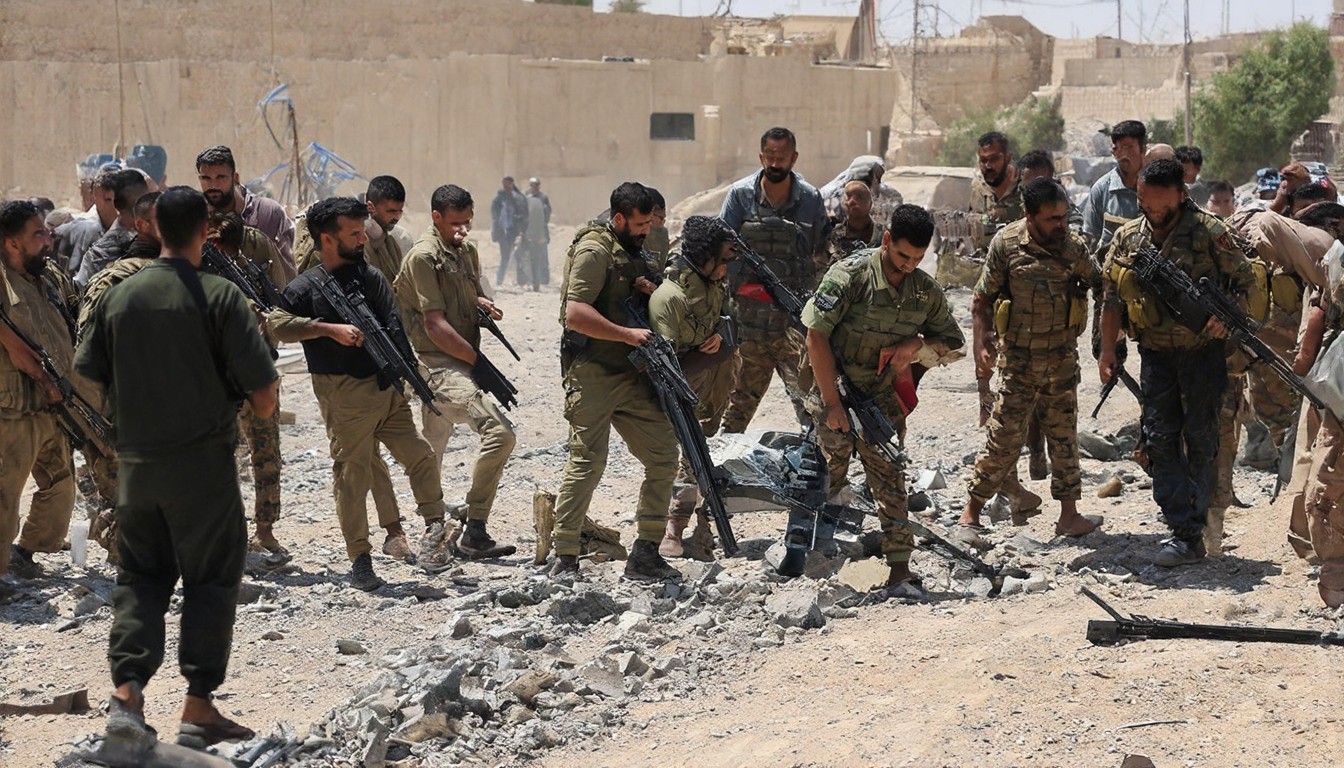
In the early hours of the morning, a series of Israeli airstrikes and violent clashes between Hamas and an Israeli-backed militia in the Gaza Strip have left at least ten people dead, according to local sources. The attacks and confrontations have intensified tensions in the already volatile region, raising concerns about the potential for further escalation.
The Israeli military has not yet officially commented on the incidents, but reports suggest that the airstrikes were carried out in response to clashes that erupted between Hamas security forces and an Israeli-backed militia near the Maghazi refugee camp. The militia, which is reportedly aligned with Israeli interests, is believed to have been involved in a confrontation with Hamas forces, leading to the Israeli military's intervention.
Local eyewitnesses and medical personnel have described the aftermath of the clashes and airstrikes as chaotic and devastating. The area near Maghazi camp has been heavily impacted, with several buildings damaged or destroyed. Residents report hearing explosions and seeing smoke rising from the affected zones. The death toll is expected to rise as emergency crews continue to work to extract survivors from the rubble.
Hamas has not yet released an official statement on the incidents, but sources close to the organization have indicated that the clashes were a result of ongoing tensions between Hamas and the Israeli-backed militia. The militia, which has been active in the Gaza Strip for several years, is believed to be involved in covert operations aimed at undermining Hamas's control over the territory.
The Israeli government has not confirmed the details of the airstrikes, but it is not uncommon for Israel to conduct military operations in response to perceived threats from Hamas or other Palestinian militant groups. Critics argue that such actions often disproportionately affect civilians, exacerbating the humanitarian crisis in Gaza.
The situation in the Gaza Strip remains precarious, with both sides accusing each other of provoking violence. International organizations, including the United Nations and humanitarian groups, are urging all parties to exercise restraint and avoid further escalation. The recent violence serves as a stark reminder of the ongoing conflict between Israel and Palestinian groups, which has caused significant loss of life and displacement over the years.
As the situation unfolds, it is unclear whether the current wave of violence will lead to a temporary ceasefire or if it will escalate into a broader conflict. The international community is closely monitoring the developments, with many calling for a diplomatic solution to the long-standing tensions in the region.
In the meantime, the lives of ordinary Gazans continue to be impacted by the violence. Families are mourning the loss of their loved ones, while others are forced to live in fear of further attacks. The humanitarian situation in Gaza is already dire, with millions of people living in poverty and facing limited access to basic services. The recent violence only underscores the urgent need for international aid and support to help alleviate the suffering of the population.
As the situation evolves, it is crucial for all parties to act with caution and avoid actions that could lead to further loss of life and destruction. The need for a sustainable and peaceful resolution to the Israeli-Palestinian conflict has never been more pressing, and the international community must remain vigilant in its efforts to promote dialogue and understanding between the conflicting sides.








