Telangana Man Allegedly Drowns Pregnant Wife, Two Daughters Over Fear Of Another Girl Child
After having two daughters, Farhat became pregnant twice earlier, and Azaruddin allegedly forced her to abort both times, suspecting the unborn child was also a girl.
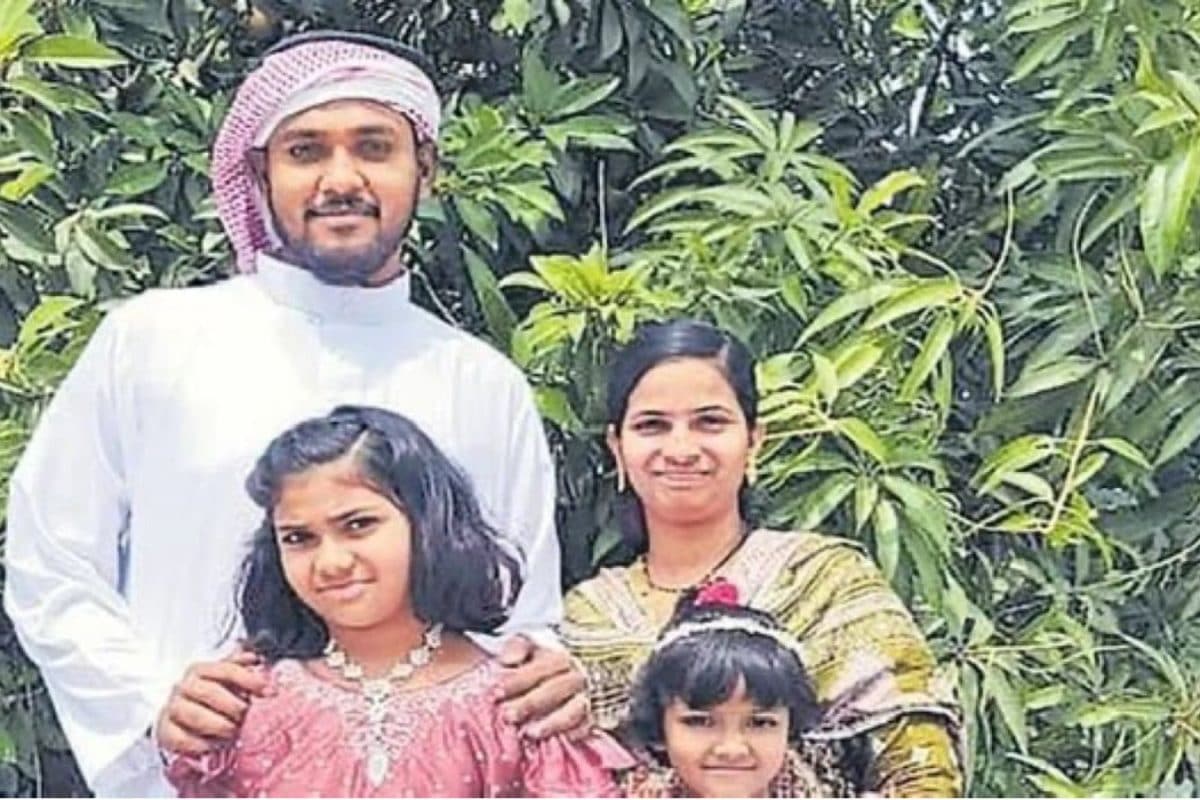
In a harrowing case that has sent shockwaves across Telangana, a man allegedly drowned his pregnant wife and two daughters in a desperate attempt to prevent the birth of another girl child. The tragic incident has ignited a national conversation about gender-based violence and the deeply rooted cultural practices that perpetuate such atrocities.
The victim, identified as Farhat, was expecting her third child. Her husband, Azaruddin, is accused of drowning her and their two daughters—aged 10 and 12—in a water tank on their farm in the rural outskirts of Hyderabad. The horrifying act allegedly took place on the night of the incident, with neighbors reporting hearing screams but failing to intervene.
Farhat had previously been pregnant twice, and Azaruddin had allegedly forced her to abort both times, fearing that the unborn children were also girls. This pattern of coercion and violence escalated to its tragic conclusion when Farhat became pregnant for the third time.
The family's plight has been brought to light by local authorities who, after receiving a tip-off, conducted a raid on the property. The gruesome discovery of the three victims' bodies in the water tank led to Azaruddin's arrest. He has been charged with the crime of infanticide and is currently in custody, awaiting trial.
The case has sparked outrage across the nation, with activists and human rights organizations condemning the act as a clear violation of women's rights and a reflection of deeply ingrained gender biases in Indian society. The pressure on families to have male heirs has long been a contentious issue, with the practice of female foeticide and infanticide being alarmingly prevalent in certain regions.
Farhat's family members have spoken out about the family's financial struggles and the pressure Azaruddin allegedly faced due to the lack of a male heir. They claim that the man's desperation to have a son drove him to commit this heinous act. However, this does not absolve him of his actions, and the broader societal context must be addressed to prevent such tragedies from recurring.
The Indian government has taken a firm stand against gender-based violence, with stringent laws in place to punish offenders. However, enforcement and societal change remain significant challenges. The case of Farhat and her daughters serves as a stark reminder of the urgent need for education and awareness campaigns to dismantle the cultural norms that perpetuate violence against women and girls.
Local communities in Telangana have been left reeling by the tragedy. Neighbors describe the family as generally quiet and unassuming, with no apparent signs of the underlying tensions that led to this devastating outcome. The incident has highlighted the importance of vigilance and the need for communities to support one another in addressing such issues.
As the legal proceedings unfold, the focus must also be on the support and rehabilitation of Farhat's family. The trauma they have endured demands compassion and assistance to help them navigate the aftermath of this unimaginable loss.
The case of Farhat and her daughters is a chilling reminder of the ongoing struggle against gender-based violence in India. It underscores the need for concerted efforts from the government, civil society, and communities to address the root causes of such atrocities and work towards a future where every child, regardless of gender, is valued and protected.
In the aftermath of this tragedy, the spotlight is on the urgent need for systemic change to prevent such incidents from happening again. The story of Farhat serves as a call to action for all to work together in dismantling the barriers that perpetuate violence against women and girls, ensuring that every family can live in safety and dignity.