Tehran and Trump trade threats amid renewed Iran war ceasefire proposal push
Iran warns of more devastating retaliation if the US hits civilian targets, as mediators push a 45-day ceasefire to reopen the Strait of Hormuz.
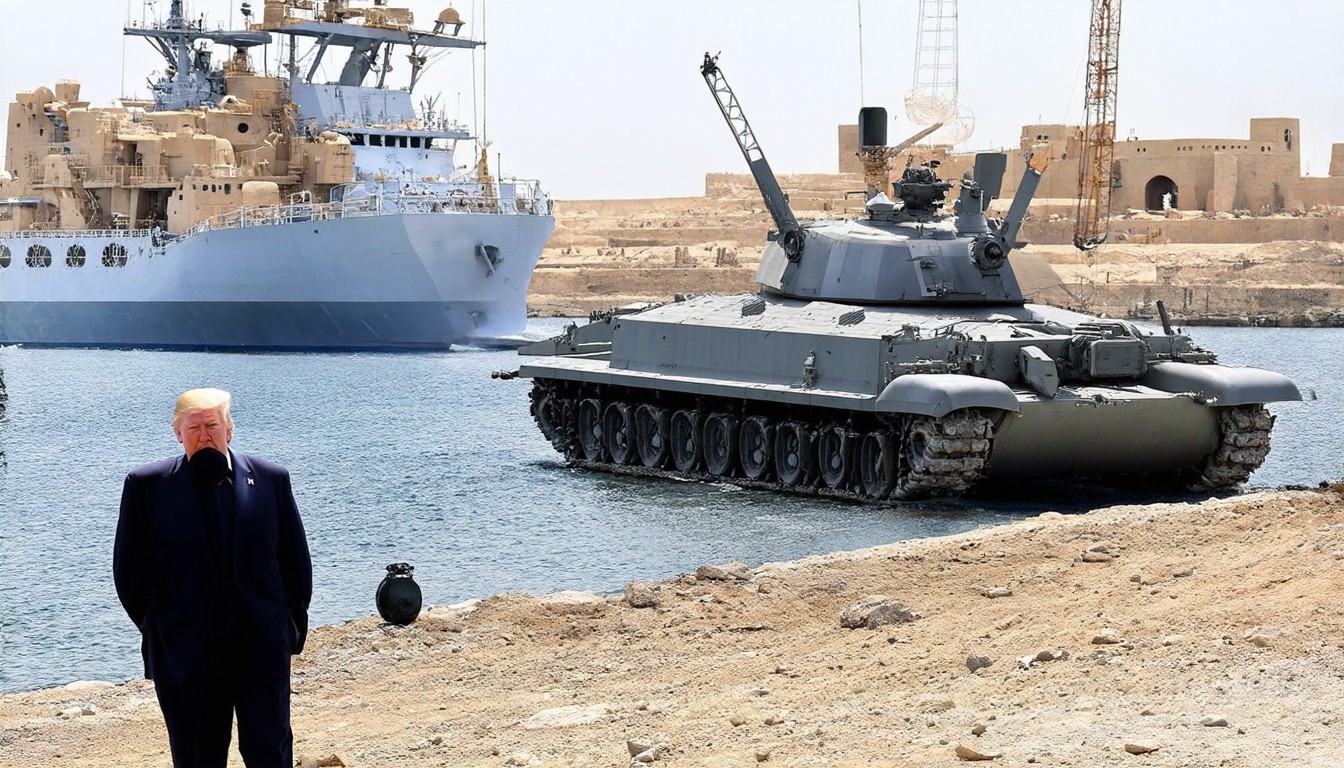
Tensions between Iran and the United States have escalated as both nations exchange threats amid renewed efforts to secure a ceasefire in the ongoing conflict. The situation has intensified as mediators push for a 45-day truce to reopen the strategically vital Strait of Hormuz, a critical shipping lane through which a significant portion of global oil passes.
Iran has issued a stark warning, stating that it will retaliate with unprecedented force if the United States targets civilian areas. The threat comes as both sides remain locked in a standoff, with each accusing the other of aggression and instability in the region. The prospect of a ceasefire, however, has not dampened the hostility between Tehran and Washington, as both nations continue to bristle with threats of military action.
The mediators, who are working behind the scenes to broker the agreement, are facing a daunting task. They must navigate the volatile political landscape, attempting to convince both Iran and the US to agree to the proposed 45-day ceasefire. The stakes are high, as the Strait of Hormuz is a chokepoint for about 30% of global oil shipments, and any disruption could lead to significant economic repercussions worldwide.
The United States has been vocal in its opposition to Iran's nuclear program and has imposed strict sanctions, which have led to economic hardships in the country. In response, Iran has increased its military posture, deploying missiles and drones near the Strait of Hormuz, prompting fears of a potential military clash. The US has retaliated by deploying additional military forces in the region, including aircraft carriers and warships, in a show of force aimed at deterring any hostile actions.
The mediators' push for a ceasefire aims to provide a temporary respite from the ongoing hostilities, allowing both sides to reassess their strategies and potentially engage in diplomatic negotiations. However, the prospect of a ceasefire has not been well-received by all parties. Critics argue that a temporary truce could provide Iran with an opportunity to regroup and strengthen its military capabilities, further escalating tensions in the long run.
On the other hand, proponents of the ceasefire argue that it is a necessary step to prevent a full-scale war that could have catastrophic consequences for the entire Middle East and global economy. They contend that a 45-day pause in hostilities would enable both nations to engage in meaningful dialogue, potentially leading to a more sustainable and lasting peace.
As the situation unfolds, the international community is closely monitoring the developments, with many countries expressing concerns about the potential for a broader conflict. The European Union, China, and Russia have called for de-escalation and diplomatic solutions, urging both Iran and the US to avoid any actions that could spiral out of control.
In the meantime, the mediators continue their efforts to secure the agreement, working tirelessly to find common ground between the two adversaries. The success of their mission will depend on the willingness of both Tehran and Washington to step back from the brink and engage in constructive dialogue.
As the world watches with bated breath, the stakes could not be higher. The outcome of this conflict will have far-reaching implications, not only for the Middle East but also for global geopolitics and the economy. The challenge now lies with both nations to choose a path toward peace and stability, rather than further escalation and potential disaster.