
Tech companies are trying to neuter Colorado’s landmark right-to-repair law
A state bill is a glimpse of how corporations are limiting people's ability to make their own fixes and upgrades.
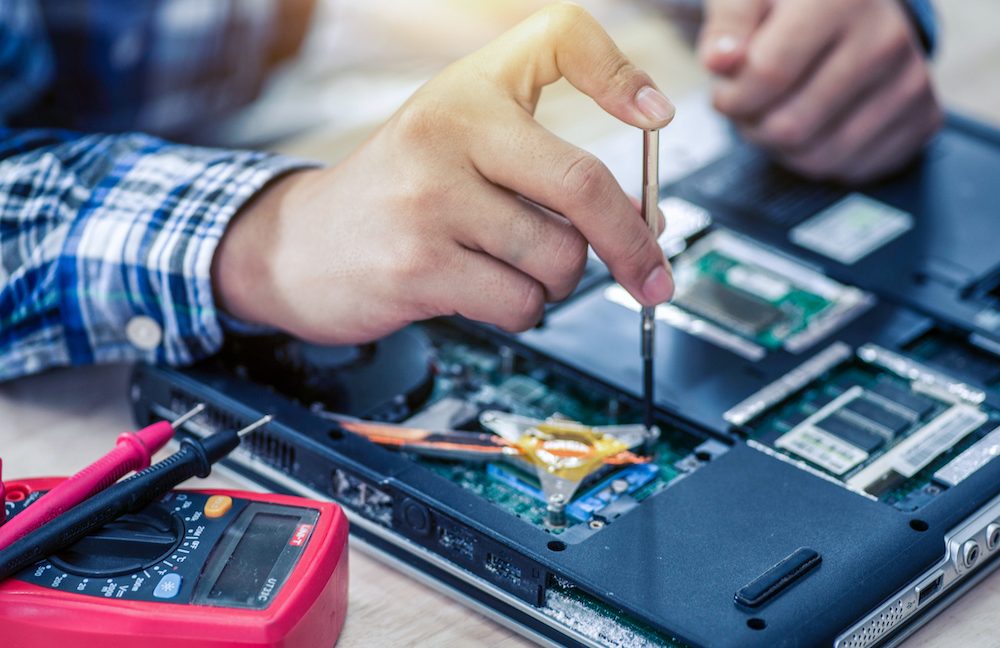
Tech companies are stepping up their efforts to undermine Colorado's landmark right-to-repair law, a move that highlights their ongoing struggle to limit consumers' ability to fix and upgrade their own devices. The state's legislation, which has been a beacon of hope for the repair movement, is now facing challenges as corporations seek to maintain control over the repair process.
Colorado's right-to-repair laws, enacted in 2022, have been groundbreaking in the United States. These laws grant users the tools, instructions, and legal right to repair or upgrade their own wheelchairs, agricultural equipment, and consumer electronics. The legislation has been hailed as a significant victory for consumers, enabling them to take control of their devices and reduce costs associated with repairs.
The success of Colorado's right-to-repair laws has inspired similar efforts across the country. Repair bills have been introduced in every U.S. state, with eight of them passing. This widespread momentum has been driven by the belief that consumers should have the freedom to repair their own possessions, fostering an environment of innovation and reducing electronic waste.
Danny Katz, executive director of CoPIRG, the Colorado branch of the consumer advocate group Pirg, expressed pride in Colorado's leadership in this area. "Colorado has the broadest repair rights in the country," Katz said. "We should be proud of leading the way."
However, the recent pushback from tech companies reveals a different side of the story. These corporations have long maintained tight control over the repair process, arguing that unauthorized repairs can lead to safety hazards and reduced product quality. They have also cited concerns about counterfeit parts and the potential for liability.
Despite these claims, proponents of the right-to-repair movement argue that consumers are generally capable and willing to perform repairs, provided they have access to the necessary information and tools. They point to the success of existing repair communities, where individuals share knowledge and resources to help each other.
The efforts of tech companies to neuter Colorado's law are a reflection of their deep-seated interest in maintaining control over the repair ecosystem. By limiting consumers' ability to repair their own devices, corporations can continue to generate revenue through authorized repair services and parts sales.
The ongoing battle over right-to-repair laws in Colorado and across the United States is a critical moment for consumers and the broader repair movement. As more states consider similar legislation, the stakes could not be higher. The outcome will determine whether consumers retain the freedom to repair their own possessions or if corporations continue to dictate the terms of the repair process.
In the face of this challenge, supporters of the right-to-repair movement are rallying to defend the legislation. They argue that the benefits of consumer choice and access to repair information outweigh the potential risks associated with unauthorized repairs. They also point to the environmental and economic advantages of a repair-friendly ecosystem, where devices are repaired rather than discarded.
The fight over Colorado's right-to-repair law is not just a battle for consumer rights; it is a broader struggle for control over the future of technology and innovation. As more people demand the freedom to repair and upgrade their own devices, the stakes could not be higher for both consumers and corporations.
In conclusion, the efforts of tech companies to undermine Colorado's landmark right-to-repair law serve as a stark reminder of the ongoing struggle for consumer control in the digital age. While the legislation has been a beacon of hope for the repair movement, the pushback from corporations highlights the challenges that lie ahead. The outcome of this battle will have far-reaching implications for consumers, the environment, and the future of innovation in technology.









