
TAP-Privatisierung: Lufthansa bietet für Anteil an Portugals Staatsairline TAP
Die Lufthansa hat ein unverbindliches Angebot für eine Minderheitsbeteiligung an TAP Air Portugal abgegeben. Portugal treibt die Teilprivatisierung der Airline weiter voran.
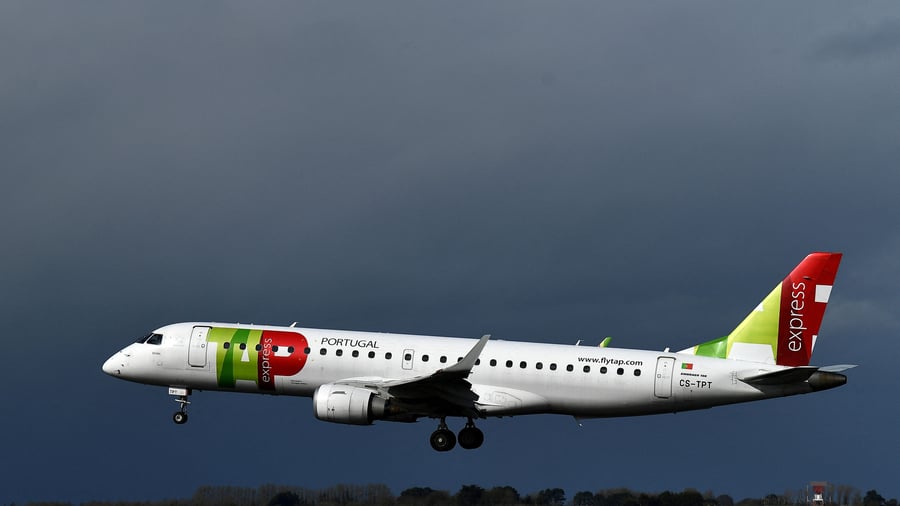
Lufthansa Makes Unbinding Offer for Minority Stake in TAP Air Portugal
The German aviation giant Lufthansa has submitted an unbinding offer for a minority stake in TAP Air Portugal, the flag carrier of Portugal. This development comes as the Portuguese government continues its push for partial privatization of the state-owned airline. The move signals a strategic shift in the airline industry, as Lufthansa seeks to strengthen its presence in the Portuguese market and expand its network across Europe.
TAP Air Portugal, which has been struggling financially for years, has been a focal point of Portugal's privatization efforts. The Portuguese government, under pressure to reduce its public debt, has been actively pursuing a partial sale of the airline to secure much-needed capital infusion. The recent offer from Lufthansa is part of this broader strategy, aiming to attract private investment and revitalize the struggling airline.
Lufthansa's interest in TAP Air Portugal is not surprising, given the strategic advantages it could offer. Portugal's capital, Lisbon, is a key European hub, and TAP's network spans Africa, the Middle East, and South America. By acquiring a minority stake, Lufthansa could gain access to these routes, enhancing its global connectivity and strengthening its position in the European market.
The unbinding offer from Lufthansa indicates that the German airline is serious about its intentions. An unbinding offer means that Lufthansa is not tied to any specific terms, allowing it to negotiate more freely with the Portuguese government. This flexibility could be crucial in reaching a mutually beneficial agreement that satisfies both parties.
However, the deal is not without its challenges. TAP Air Portugal has a history of financial difficulties, and its recent turnaround has been slow. The Portuguese government has been working to stabilize the airline, but concerns about its long-term viability persist. Lufthansa's investment could provide much-needed capital and operational expertise, but it may also face resistance from labor unions and political stakeholders who are wary of foreign intervention.
The Portuguese government, on the other hand, is eager to proceed with the partial privatization of TAP. The sale of a minority stake to Lufthansa would generate revenue and reduce the government's financial burden. It would also demonstrate Portugal's commitment to economic liberalization and integration into the European single market.
The potential deal between Lufthansa and TAP Air Portugal is expected to face scrutiny from regulatory bodies, both in Portugal and the European Union. Antitrust concerns could arise, particularly given Lufthansa's existing dominance in the European aviation market. Regulators will need to ensure that the deal does not lead to excessive market concentration and stifle competition.
In conclusion, Lufthansa's unbinding offer for a minority stake in TAP Air Portugal marks a significant step in Portugal's partial privatization of its state-owned airline. The deal could bring much-needed capital and expertise to TAP, while Lufthansa gains strategic advantages in the Portuguese market. However, the transaction will face challenges, including regulatory scrutiny and potential resistance from labor unions. As negotiations progress, both parties will need to navigate these complexities to reach a successful agreement that benefits all stakeholders.








