Taiwanese opposition leader Cheng Li-wun begins ‘journey of peace’ in Shanghai
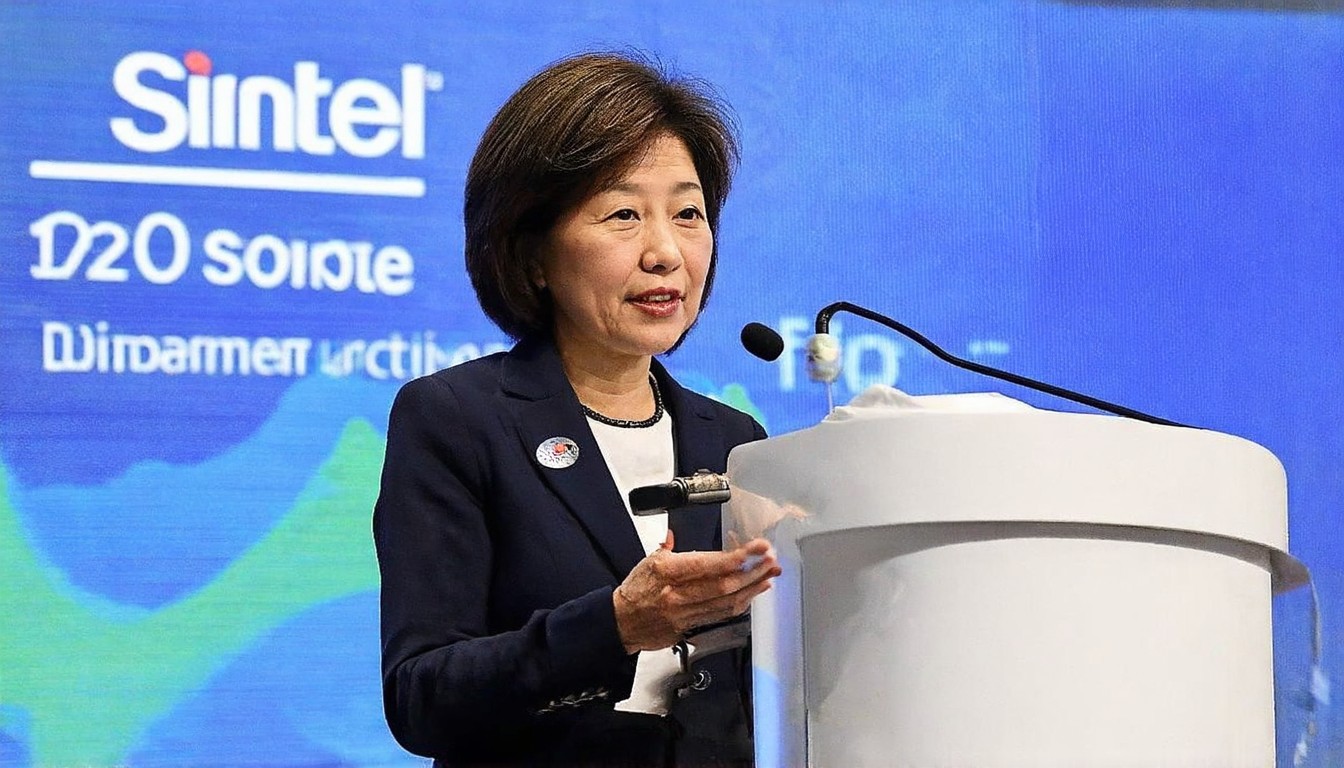
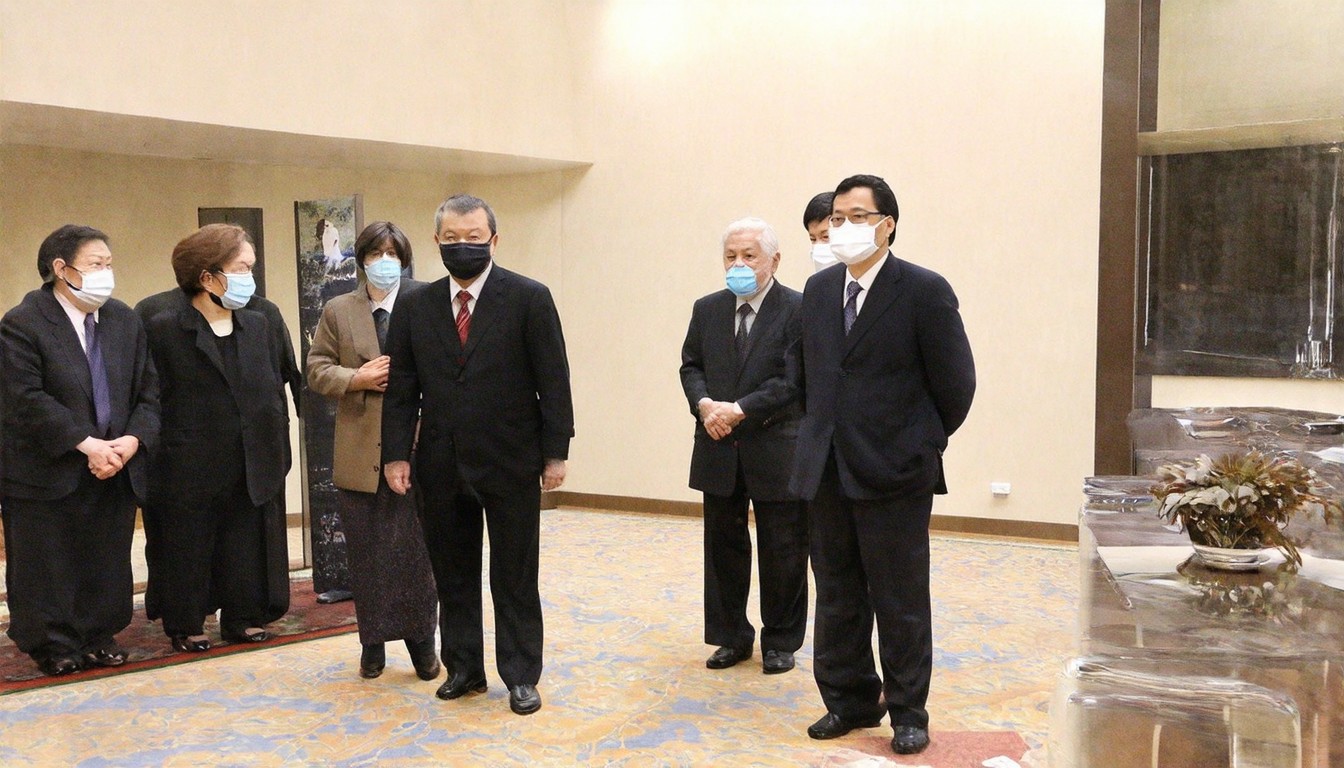
Taiwanese opposition leader Cheng Li-wun said she hoped to make the Taiwan Strait “safe” and not one of the world’s “most dangerous places” as she left for Shanghai on Tuesday. Kuomintang chairwoman Cheng is leading a 14-member delegation – including three KMT vice-chairmen – on a six-day visit to mainland China. A planned meeting with Communist Party leader Xi Jinping during the trip has drawn scrutiny in Taipei as tensions soar across the strait. Lawmakers from the ruling Democratic...
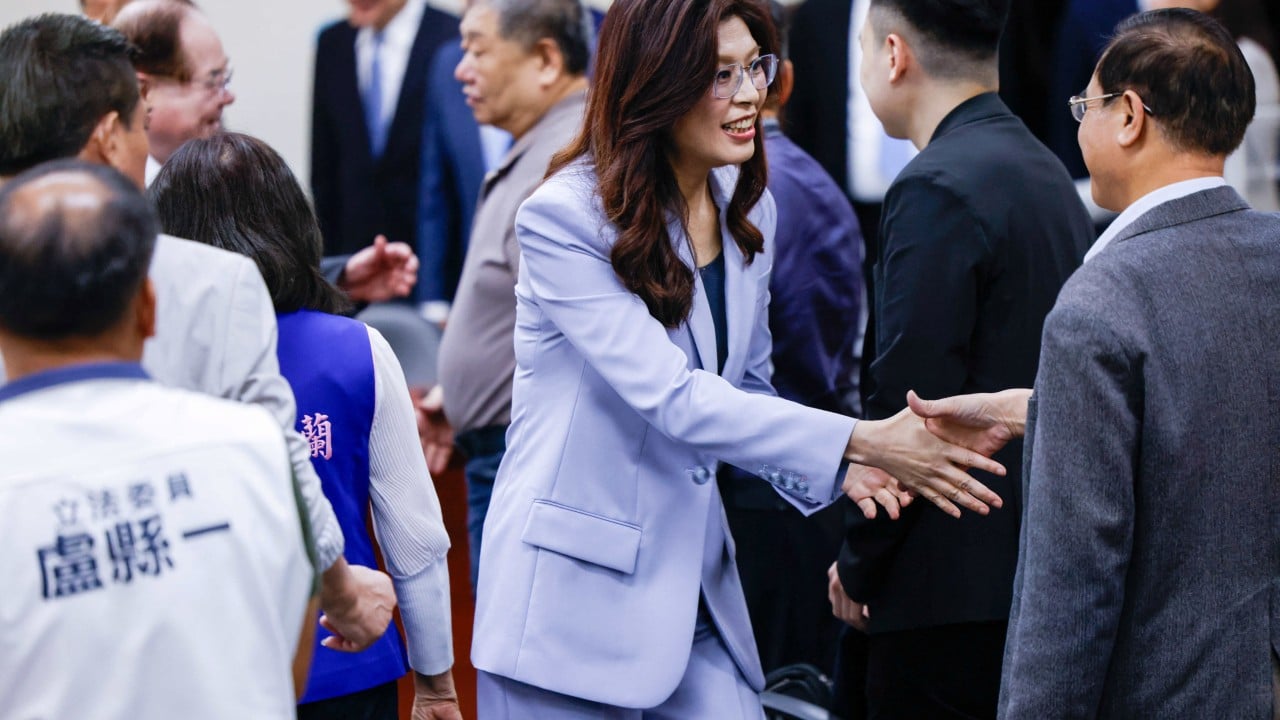
Taiwanese opposition leader Cheng Li-wun began her “journey of peace” in Shanghai on Tuesday, expressing the hope that the Taiwan Strait would no longer be considered one of the world’s most dangerous places. As the chairwoman of the Kuomintang (KMT), Cheng is leading a 14-member delegation, which includes three vice-chairmen of the party, on a six-day visit to mainland China. This trip comes amidst heightened tensions across the strait, with a planned meeting between Cheng and Communist Party leader Xi Jinping drawing significant scrutiny in Taipei.
Cheng Li-wun’s departure for Shanghai was marked by a strong emphasis on the importance of dialogue and cooperation between Taiwan and mainland China. In her statement, she highlighted the need for both sides to work towards a safer and more stable Taiwan Strait, a region that has long been a focal point of geopolitical tension. The KMT leader’s visit to China is part of a broader effort to engage in constructive dialogue, despite the ongoing political and military tensions that have characterized relations between the two sides in recent years.
The delegation’s itinerary includes several key meetings and events, with the highlight being the potential encounter with Xi Jinping. This planned meeting has been met with mixed reactions in Taiwan, with some lawmakers from the ruling Democratic Progressive Party (DPP) expressing concerns over the implications of such a high-level interaction. Critics argue that any engagement between the KMT and the Chinese Communist Party could be perceived as a challenge to the DPP-led government’s authority and its commitment to maintaining the status quo, which has been defined by the One-China policy and the absence of official diplomatic relations between Taiwan and China.
Despite these concerns, Cheng Li-wun has maintained that her visit is not intended to undermine the political order in Taiwan but rather to promote peace and stability in the region. She has repeatedly stated that the KMT’s approach to cross-strait relations is one of “peace first,” emphasizing the need for both sides to prioritize dialogue and mutual understanding over confrontation. This stance contrasts with the DPP’s more assertive approach, which has been characterized by increased military spending and a focus on strengthening Taiwan’s defensive capabilities in the face of growing Chinese assertiveness in the region.
The visit to mainland China also marks a significant opportunity for the KMT to engage with Chinese political leaders and discuss potential areas of cooperation. While the KMT has traditionally been seen as more conciliatory towards Beijing than the DPP, it has also faced criticism for its perceived lack of clarity on the issue of Taiwanese independence. Cheng Li-wun’s meetings with Chinese officials will likely focus on economic and cultural exchanges, as well as on addressing humanitarian concerns such as family reunification and cross-strait trade.
As Cheng Li-wun’s delegation continues its six-day visit, the political landscape in Taiwan remains tense. The DPP government has been vocal in its opposition to the KMT’s engagement with Beijing, warning that such interactions could lead to a weakening of Taiwan’s sovereignty and international standing. However, proponents of the KMT’s approach argue that dialogue with China is essential for addressing the complex challenges facing the region, including security, economic development, and humanitarian issues.
In the broader context of cross-strait relations, Cheng Li-wun’s visit to Shanghai represents a nuanced attempt to balance the need for peace and stability with the political realities of a divided Taiwan Strait. While the outcomes of her meetings with Chinese leaders remain uncertain, the journey of peace taken by the KMT chairwoman serves as a reminder of the ongoing struggle for a more harmonious and cooperative relationship between Taiwan and mainland China.