Taiwan pivots to coal power as Mid-East war disrupts global LNG market
The Iran war has forced governments to lean more on the dirtiest fossil fuel.
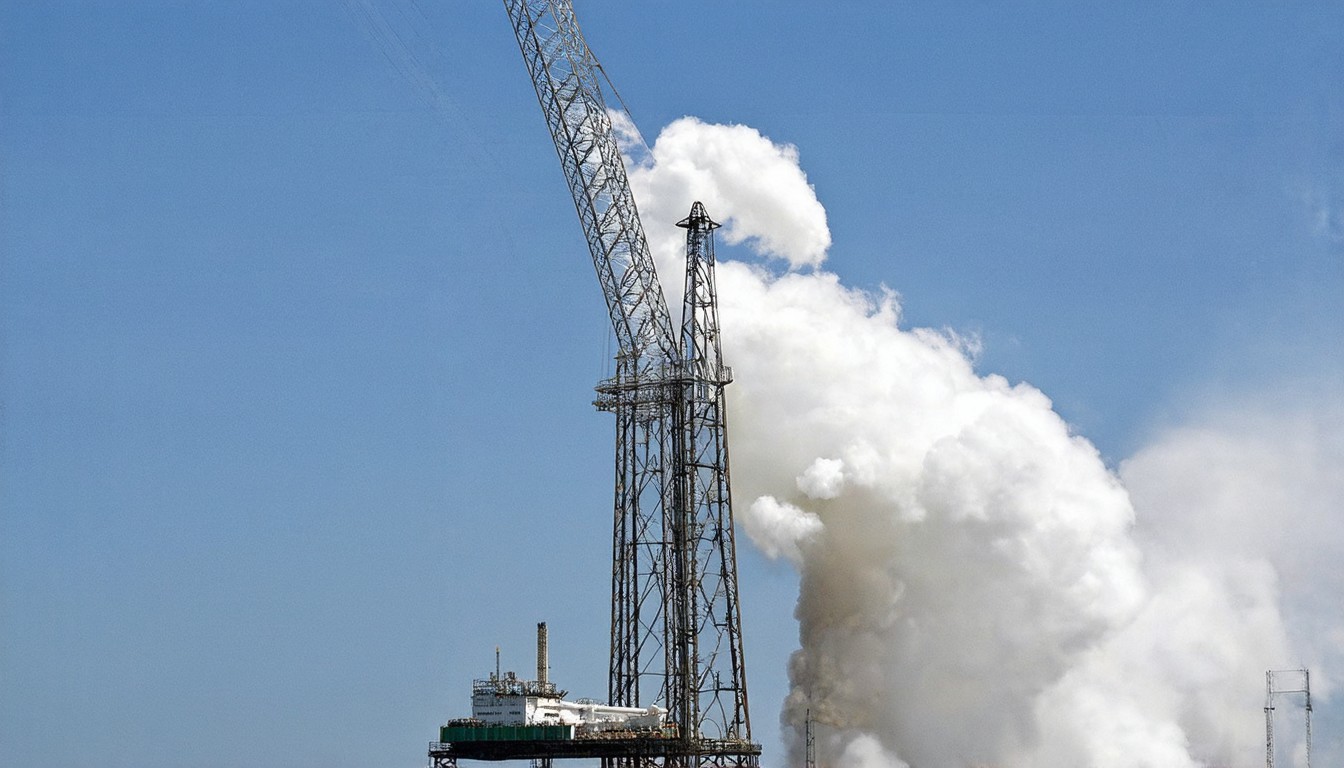
As tensions in the Middle East escalate, Taiwan has been forced to reconsider its energy policies, shifting its focus from natural gas to coal as a result of disruptions in the global liquefied natural gas (LNG) market. The ongoing conflict in the region, particularly involving Iran, has led to significant supply chain issues, making it challenging for Taiwan to secure sufficient LNG to meet its energy needs.
In recent years, Taiwan has been actively promoting the transition to cleaner energy sources, particularly LNG, as part of its efforts to reduce carbon emissions and combat climate change. However, the escalating war in the Middle East has forced the country to reevaluate its energy strategy. With Iranian exports of LNG being impacted, global supply chains have been disrupted, leading to increased prices and reduced availability of the fuel.
The Taiwanese government has acknowledged the situation and has announced plans to increase coal power generation to compensate for the shortages in LNG. This shift has raised concerns among environmental groups, who argue that relying on coal will lead to higher greenhouse gas emissions and undermine the country's environmental goals.
Despite these concerns, the Taiwanese government has emphasized that the move to coal is a temporary measure aimed at ensuring energy security and stability. Officials have stated that they are working diligently to diversify the country's energy sources and explore alternative options, such as increasing renewable energy production and expanding imports from other LNG suppliers.
The decision to pivot to coal power is not unique to Taiwan. Other countries in the region, such as South Korea and Japan, have also been forced to consider similar measures due to the disruptions in the LNG market caused by the Middle East conflict. This has led to a broader discussion about the resilience of global energy supply chains and the need for more diversified energy strategies.
Environmentalists in Taiwan have called for the government to prioritize long-term solutions and accelerate its transition to renewable energy sources. They argue that while the current situation necessitates a short-term reliance on coal, it is crucial to avoid prolonging this dependency.
The Taiwanese government has pledged to continue its efforts to reduce carbon emissions and achieve its climate change targets. Officials have emphasized that the shift to coal power is a necessary step in the short term but will not deter the country from its commitment to a sustainable future.
In the meantime, the global community is closely monitoring the situation in the Middle East and its impact on global energy markets. As the conflict continues, the disruptions in the LNG supply chain are likely to persist, forcing countries to reconsider their energy policies and strategies.
Taiwan's pivot to coal power serves as a stark reminder of the interconnectedness of global energy markets and the vulnerabilities they face in times of geopolitical turmoil. The country's response to the current crisis will have long-lasting implications for its environmental policies and energy security.
As the situation evolves, it remains to be seen how Taiwan will balance its immediate energy needs with its long-term environmental goals. The government's ability to navigate this complex challenge will be a critical factor in determining the country's trajectory in the years to come.
In conclusion, the escalating conflict in the Middle East has forced Taiwan to reconsider its energy policies, leading to a temporary shift from LNG to coal power. While this move has raised environmental concerns, it is viewed as a necessary step to ensure energy stability amid global supply chain disruptions. The country's response to this crisis will have significant implications for its environmental commitments and energy security in the long term.