
Tailors age out of the workforce even as demand for their skills grows
Hunched over a sewing machine, Kil Bae is hemming a dress inside his Manhattan tailor shop when a new customer stops by with a vintage Tommy Hilfiger jacket he wants taken in.
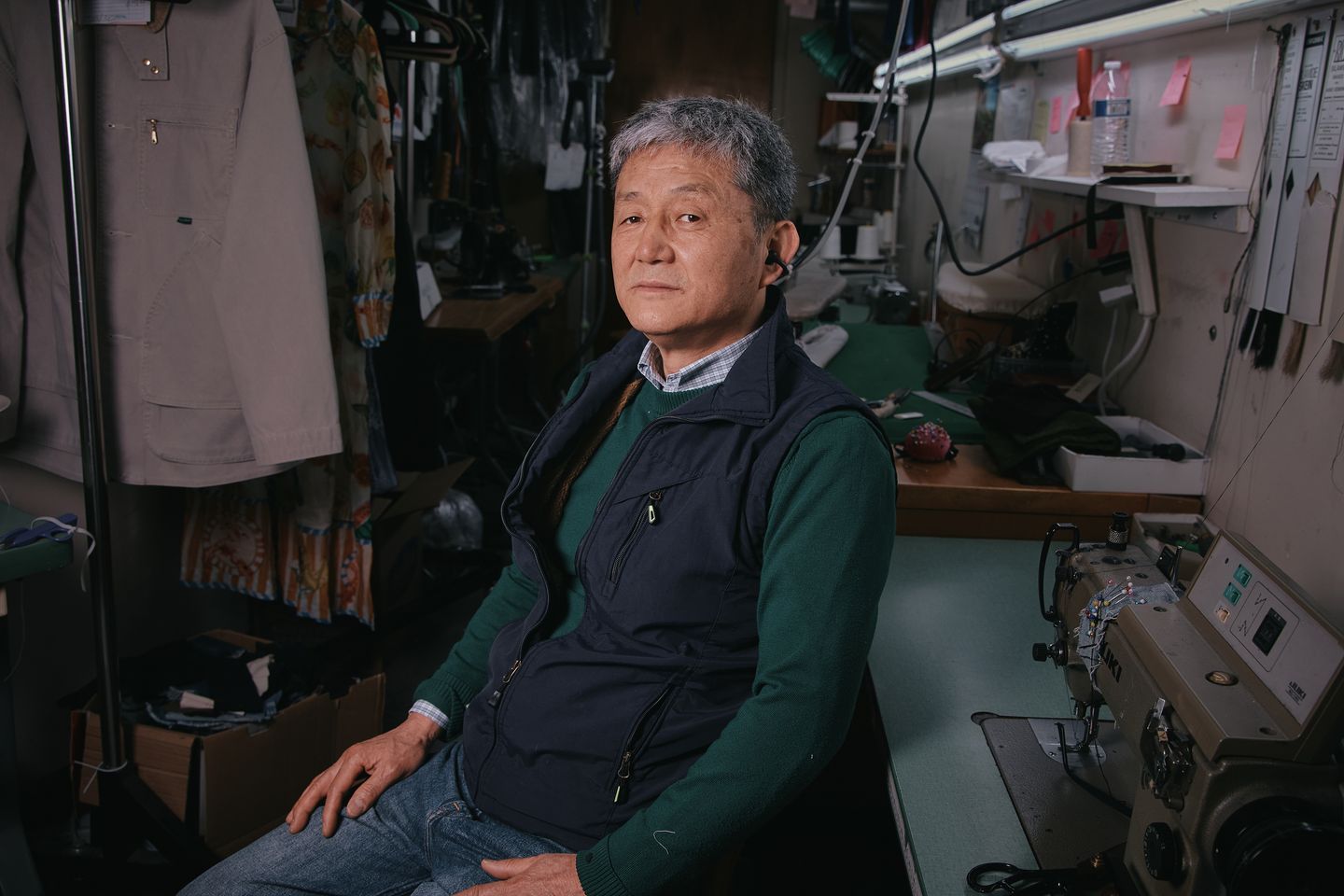
In the heart of Manhattan, Kil Bae's tailor shop buzzes with the rhythmic clatter of sewing machines and the scent of fabric softener. Bae, a master tailor in his late 60s, spends his days meticulously altering clothing for customers who value the precision and craftsmanship that only years of experience can provide. Yet, as he works, he is acutely aware of the changing landscape of his industry. Demand for his skills is on the rise, yet many of his peers are retiring or struggling to keep up with the pace of modern fashion.
The customer who walked into Bae's shop that day was a testament to the growing appreciation for bespoke tailoring. He handed over a vintage Tommy Hilfiger jacket, worn but still stylish, asking for it to be taken in. "I remember when these jackets were all the rage," the customer mused, "but I've outgrown them. I want to make sure they look good on my daughter." Bae nodded, understanding the sentimental value of the piece. As he carefully adjusted the seams, he reflected on the irony of his situation: his expertise was in high demand, yet the workforce was aging.
For decades, the tailoring industry has been a bastion of traditional craftsmanship, passed down from generation to generation. Tailors like Bae learned their trade through apprenticeships, honing their skills in the shadow of masters who had themselves been apprentices. This system, while ensuring a high level of expertise, has also led to a lack of new blood. Many young people, drawn to the glamour of fashion, opt for design or marketing roles rather than the hands-on, often backbreaking work of tailoring.
The demand for tailoring services, however, is not diminishing. In fact, it is growing. The rise of vintage fashion, the increasing popularity of custom clothing, and the desire for sustainable fashion have all contributed to a resurgence in interest in bespoke tailoring. Brands like Tommy Hilfiger, which the customer in Bae's shop admired, are rediscovering the value of well-made, well-fitted clothing. Yet, with an aging workforce, there is a risk that this demand will go unmet.
Bae's shop, like many others in the industry, relies on the skills of experienced artisans. He has mentored several young tailors over the years, but the challenges are real. "It's hard to find young people who are willing to commit to the long hours and dedication required," Bae admits. "They want flexibility, they want to learn new technologies, but the core skills of traditional tailoring are what make the difference."
Despite the challenges, there are signs of hope. Programs like the Savile Row Academy in London and the Fashion Institute of Technology in New York are training new generations of tailors. These initiatives aim to bridge the gap between tradition and innovation, teaching modern techniques alongside classic craftsmanship.
Bae himself is hopeful. "I see the potential," he says. "Young people are interested, they just need to be shown the value of what we do. When they understand the importance of a well-fitted garment, they'll see the joy in the work."
As Bae finishes adjusting the jacket, he hands it back to the customer, who beams with satisfaction. "It looks perfect," he says. "I'm glad I brought it to you." Bae smiles, knowing that his work has made a difference. In that moment, he feels a sense of pride in his craft, and a renewed determination to ensure that the skills he holds dear do not disappear with him.
The tailoring industry faces a unique challenge: aging workforce amidst growing demand. Yet, with mentorship, training, and a renewed appreciation for the value of traditional craftsmanship, there is a path forward. Kil Bae's shop, and the many like it, serve as a reminder of the enduring allure of bespoke tailoring, and the importance of preserving the skills that make it possible.









