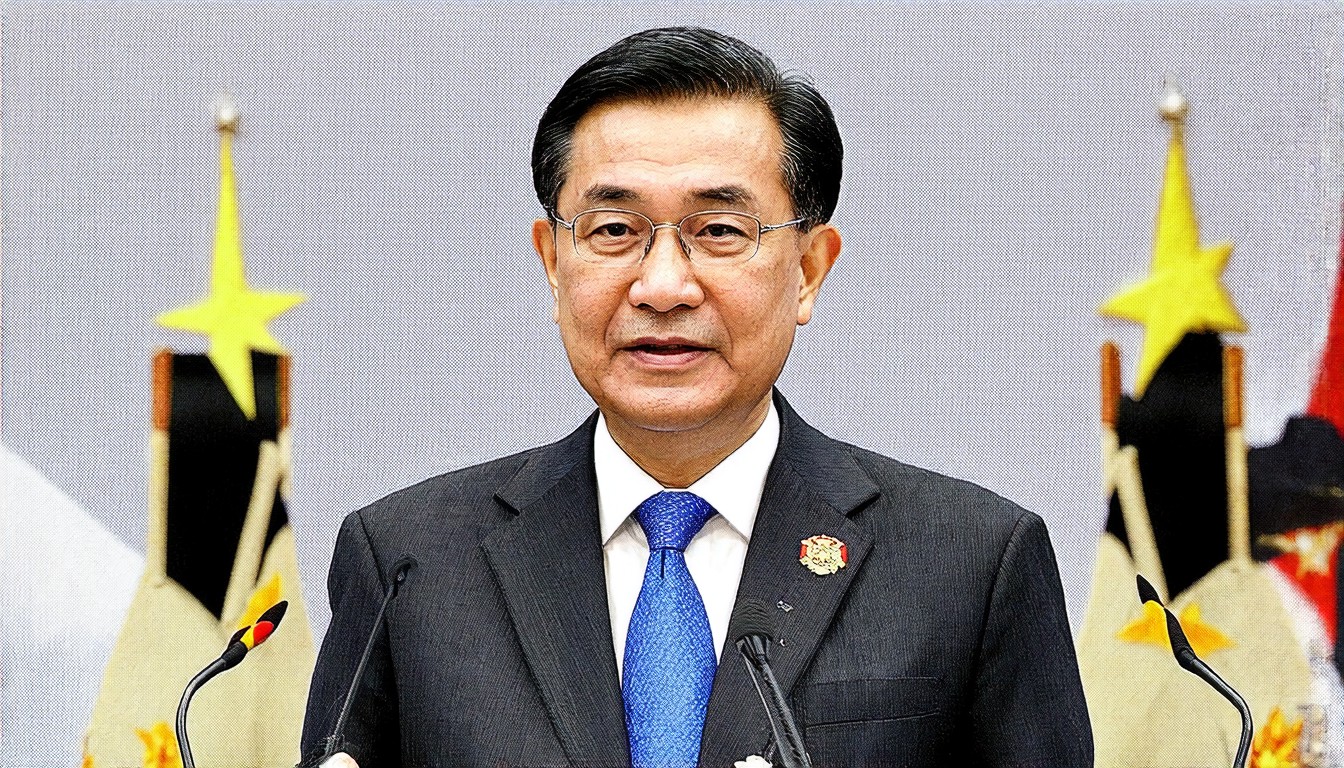
Swinney softens stance on North Sea drilling as oil prices soar
The first minister said energy security should be a primary concern when making decisions on oil and gas projects.
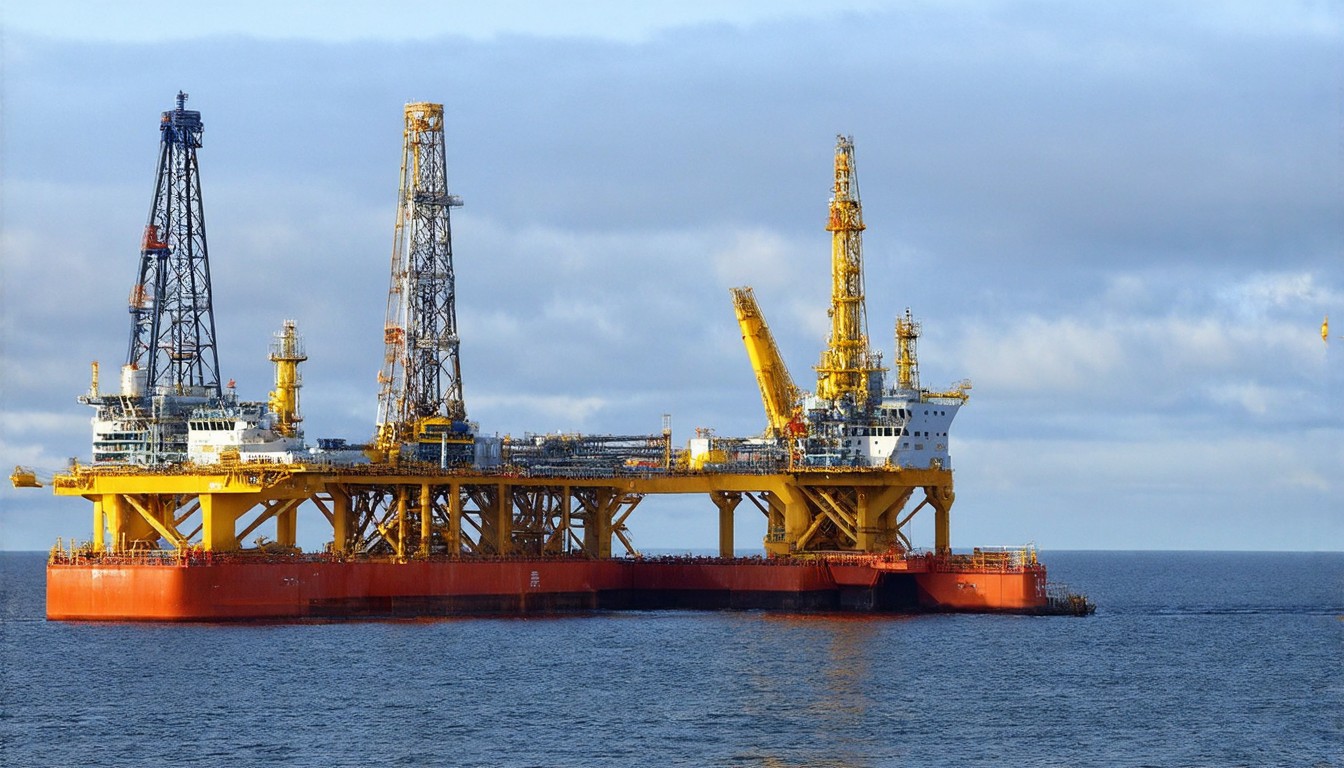
In a surprising turn of events, the first minister has softened his stance on North Sea drilling as global oil prices continue to soar. Previously known for his cautious approach to the issue, the first minister has now emphasized that energy security should be a primary concern when making decisions on oil and gas projects. This shift in perspective comes as the world grapples with rising energy costs and geopolitical tensions, prompting many governments to reconsider their energy policies.
The decision to prioritize energy security is a direct response to the current global energy crisis. With oil prices hitting record highs, many nations are struggling to secure stable energy supplies. The first minister's statement reflects a growing recognition that domestic energy production, such as North Sea drilling, could play a crucial role in mitigating these challenges. By increasing domestic oil and gas output, the country could reduce its reliance on imported fuels, thereby enhancing energy security and stabilizing prices for consumers.
The North Sea has long been a significant source of energy for the country, and the first minister's newfound emphasis on energy security suggests a potential reevaluation of existing policies. In the past, concerns over environmental impacts and the need to transition to renewable energy sources have led to a more conservative approach to drilling. However, the current economic climate and geopolitical uncertainties have forced policymakers to reconsider these priorities.
The first minister's statement has been met with mixed reactions from various stakeholders. Environmental groups have expressed concern that increased drilling could undermine efforts to reduce carbon emissions and transition to a sustainable energy future. They argue that the focus should remain on investing in renewable energy sources, such as wind and solar, to ensure long-term energy security and combat climate change.
On the other hand, industry representatives have welcomed the shift in stance, viewing it as an opportunity to boost domestic energy production. They argue that North Sea drilling can provide a reliable source of energy while creating jobs and stimulating the economy. They also point out that advancements in drilling technology have made the process more environmentally friendly, reducing the ecological footprint of such projects.
The first minister's decision to prioritize energy security in oil and gas decisions is likely to have broader implications for the country's energy policy. It may lead to increased investment in domestic energy projects, potentially reviving the North Sea oil and gas industry. However, it also raises questions about how the government will balance the need for energy security with the imperative to address climate change and transition to a sustainable energy economy.
As the global energy market continues to fluctuate, the first minister's statement underscores the complexities of modern energy policy. It highlights the challenges of navigating economic pressures, geopolitical tensions, and environmental concerns. Ultimately, the decision to prioritize energy security in oil and gas projects will require careful consideration of the trade-offs between short-term economic benefits and long-term sustainability goals.
In conclusion, the first minister's softened stance on North Sea drilling reflects a pragmatic response to the current global energy crisis. By prioritizing energy security, the government aims to address rising oil prices and enhance domestic energy resilience. However, this shift in policy also raises important questions about the balance between economic needs and environmental sustainability. As the country navigates these complexities, it will be crucial to find a path forward that ensures energy security without compromising the nation's commitment to a sustainable future.