
Sweden releases sanctioned tanker due to lack of evidence it caused oil spill
Swedish authorities have released a tanker sanctioned by the EU that was detained on suspicion of causing an oil spill in the Baltic Sea
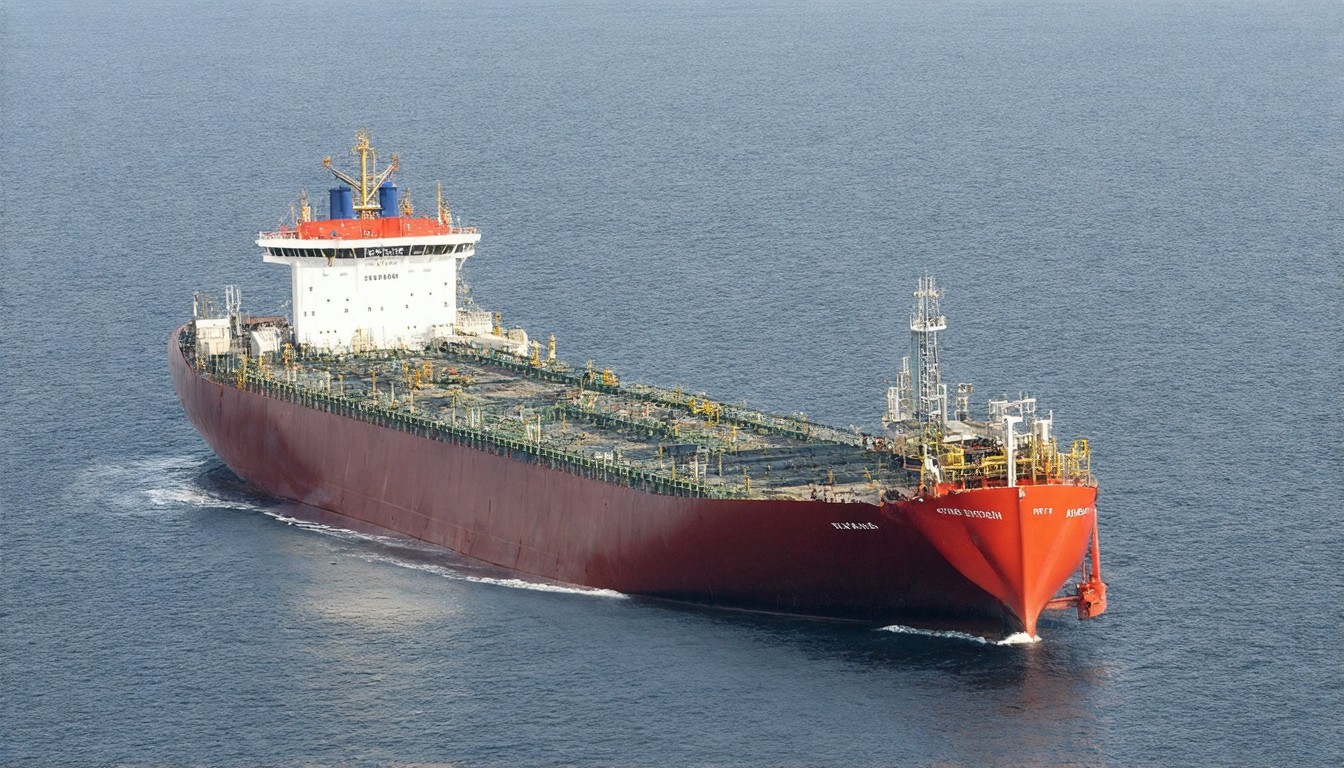
Swedish authorities have released a tanker sanctioned by the European Union after it was detained on suspicion of causing an oil spill in the Baltic Sea. The decision to release the vessel, which had been held in port for several days, was made following a thorough investigation that failed to uncover sufficient evidence linking the tanker to the environmental disaster.
The tanker, which had been under EU sanctions for reasons unrelated to the oil spill, was initially detained by Swedish officials as part of a routine inspection. However, upon discovering the potential connection to the spill, authorities quickly escalated their scrutiny. The Baltic Sea, a vital waterway for international trade and a fragile ecosystem, has been the site of several oil spills in recent years, each causing significant ecological and economic damage.
During the detention, Swedish officials collaborated with EU authorities and experts to gather evidence and conduct tests. Despite their efforts, the investigation did not yield conclusive proof that the tanker was responsible for the spill. The lack of concrete evidence prompted the authorities to release the vessel, emphasizing the importance of adhering to legal procedures and avoiding premature conclusions.
The release of the tanker has sparked discussions about the challenges faced by authorities in quickly identifying and holding accountable those responsible for environmental disasters. While the EU sanctions system is designed to target individuals and entities involved in unlawful activities, the complexities of maritime trade and the potential for multiple actors to be involved in an oil spill make attribution difficult.
The incident also highlights the need for improved coordination and communication among regional authorities to prevent and respond to environmental crises. The Baltic Sea, shared by several EU member states, requires a unified approach to safeguard its ecological integrity. As such, the Swedish authorities' decision to release the tanker underscores the necessity for continued collaboration and the development of robust systems for monitoring and enforcing maritime environmental regulations.
In the aftermath of the release, the tanker's operator expressed relief and gratitude to the Swedish authorities for their professional handling of the situation. The company emphasized its commitment to adhering to strict safety and environmental standards, and pledged to cooperate fully with any ongoing inquiries.
The case serves as a reminder of the delicate balance between the need to protect the environment and the rights of individuals and entities to due process. As the EU continues to refine its sanctions policies and enforcement mechanisms, it will be crucial to strike this balance while ensuring that those responsible for environmental harm are held accountable.
The Swedish authorities' decision to release the tanker, based on the lack of sufficient evidence, reflects a commitment to legal rigor and transparency. It also underscores the challenges faced in attributing responsibility for environmental disasters, particularly in complex maritime environments. As the EU and its member states work to enhance their capabilities in detecting and addressing oil spills, lessons learned from this incident will be invaluable in shaping future policies and practices.








