Surging UK Green Party pushes church-state split, critics warn of break from Britain’s Christian roots
Critics slam the Green Party's vow to separate the Church of England from the state, calling it a direct assault on the nation's Christian heritage.
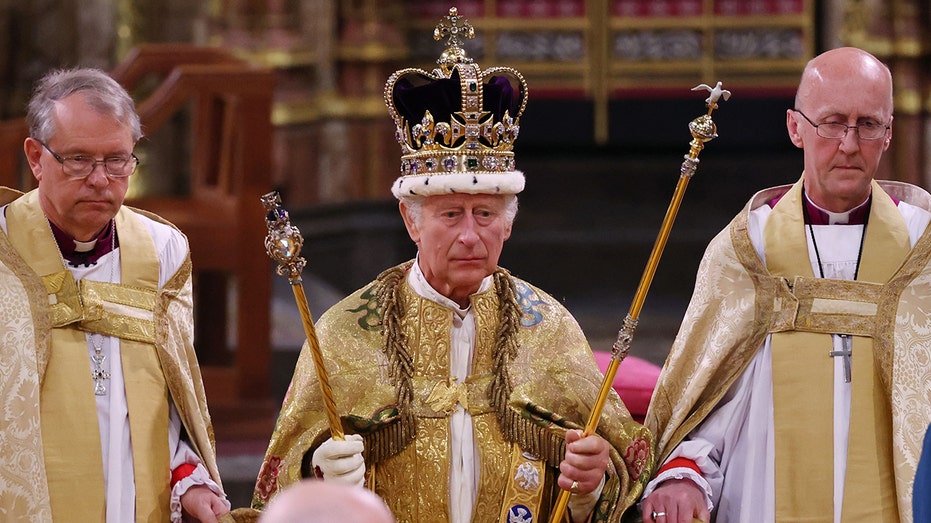
The UK Green Party's call to separate the Church of England from the state has sparked a heated debate, with critics warning that such a move could erode Britain's Christian roots. The Green Party, which has been gaining traction in recent years, has included this policy in its manifesto ahead of the next general election, scheduled to take place before August 2029. The Church of England, established during the 16th-century Reformation, has long held a unique position in British society, with the monarch serving as its supreme governor. For many traditionalists, this link between the church and the state is not merely a ceremonial one but a fundamental aspect of British identity.
The Green Party's proposal has been met with fierce opposition from those who view the Church of England as an integral part of the nation's history and culture. Critics argue that disestablishing the church would be a direct assault on centuries of British tradition. The party's policy document, as reported by GB News, states that "No person shall hold office in the state, or be excluded from any such office, by virtue of their or their spouse's membership or non-membership of any religion or denomination of religion." This principle, while reflecting the party's commitment to religious freedom, has been interpreted by some as an attack on the Church of England's special status.
Michael McManus, the director of research at the Henry Jackson Society, a UK think tank, told Fox News Digital that "Britain is a tolerant society but with clear Christian origins and culture. Aiming to disestablish the Church of England could be seen as an attempt to reject that ethical foundation without being clear what would replace it instead." McManus's comments highlight the concerns that the Green Party's proposal lacks a clear alternative to the church's current role.
High-profile figures have also weighed in on the debate. Actor and comedian John Cleese, in a response to a comment about the Greens' proposal on X, stated that "The UK has always been based at the deepest level on Christian values, regardless of dogma. Despite the many mistakes made by churches, for centuries British people have been influenced by Christ's teaching. If these values are replaced by Islamic ones, this will not be Britain anymore." Cleese's remarks underscore the deep-seated connection between British identity and Christianity, a link that the Green Party's policy seeks to sever.
The Green Party, however, argues that its proposal is not about undermining Christianity but rather about ensuring religious freedom and equality. The party's policy aims to create a more inclusive society, where individuals are not discriminated against based on their religious beliefs. Supporters of the Green Party contend that the current arrangement, with the Church of England as the established church, perpetuates inequality and exclusion.
The debate over the Green Party's proposal has been further fueled by recent events, such as the former UK Prime Minister's defense of Donald Trump's comments about 'Sharia law' in Britain during a UN speech. These events have heightened tensions between those who see the Green Party's policies as part of a broader trend of challenging traditional British values and those who view them as necessary steps towards a more inclusive and equitable society.
As the Green Party continues to gain momentum, the question of how to balance religious freedom with the preservation of Britain's Christian heritage remains unresolved. The party's proposal to separate the Church of England from the state has opened a Pandora's box of complex issues, from the nature of British identity to the role of religion in public life. The debate will likely continue, with each side presenting its case for why their vision of Britain is the most appropriate. Only time will tell how the electorate responds to the Green Party's bold proposal and whether it will shape the future of the United Kingdom.