
Surge in Attacks on Surveillance Cameras Linked to Iranian Hackers
Increased attempts to compromise surveillance cameras linked to Iran during Middle East conflict
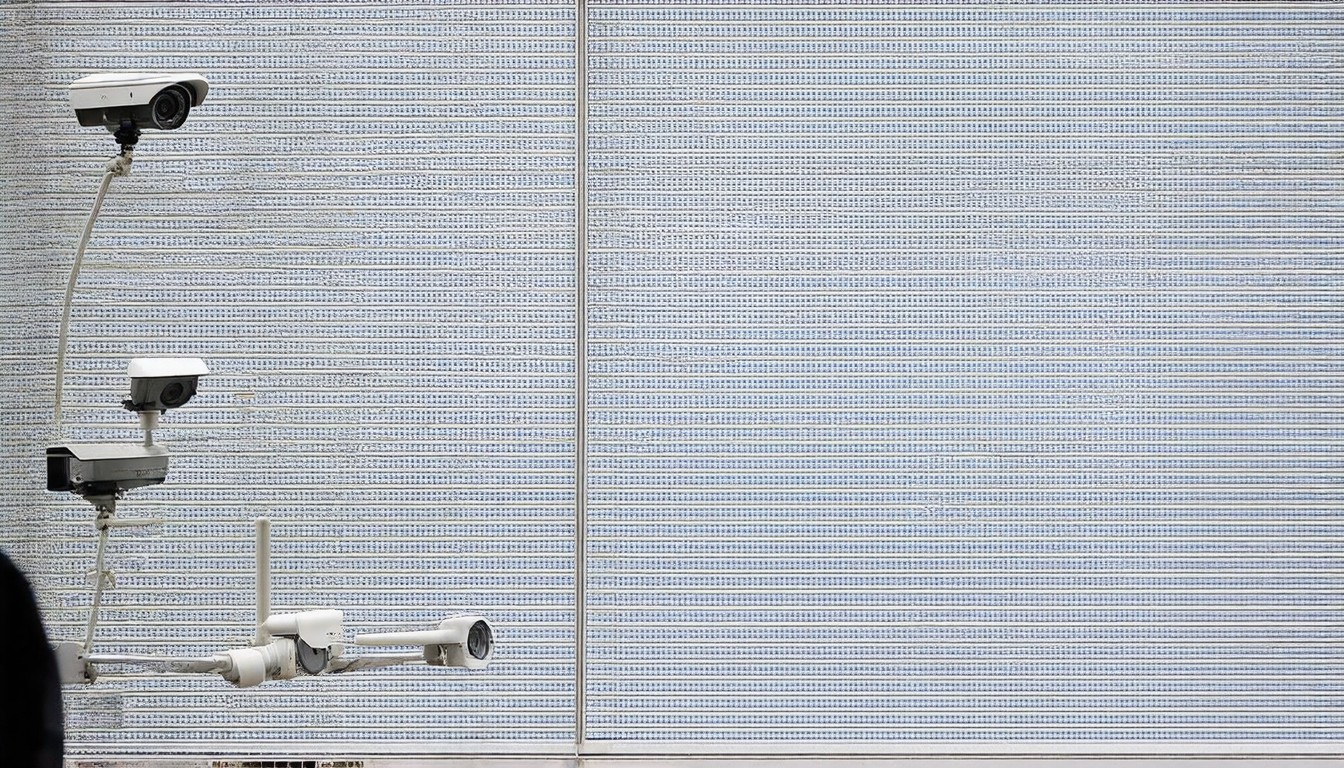
In recent weeks, a surge in attacks on surveillance cameras around the world has been linked to Iranian hackers, raising concerns about the escalating tensions in the Middle East. These cyberattacks, which have targeted systems in multiple countries, are believed to be part of a broader campaign by Iranian state-sponsored groups to undermine security infrastructure and gather intelligence.
The increased frequency of these attacks has been observed in regions directly involved in the Middle East conflict, as well as in countries with significant economic or political ties to the area. Experts have noted that the sophistication of the attacks suggests a well-coordinated effort, likely involving state-backed hackers with advanced technical capabilities.
One of the primary targets of these attacks has been surveillance cameras operated by government agencies and private security firms. By compromising these systems, Iranian hackers can gain access to real-time footage, potentially disrupting law enforcement operations or stealing sensitive information. In some cases, the attacks have resulted in the complete shutdown of surveillance networks, leaving critical infrastructure vulnerable to physical threats.
The motivation behind these attacks is thought to be multifaceted. On one hand, they may serve as a demonstration of Iran's growing cyber capabilities, intended to deter adversaries or intimidate rival states. On the other hand, the stolen data could be used for espionage purposes, providing valuable intelligence on military or political activities in targeted regions.
The link to Iranian hackers has been established through a combination of forensic analysis and intelligence sharing between affected countries. Cybersecurity experts have identified distinct patterns in the attack methods, such as the use of zero-day exploits and advanced persistent threats, which are characteristic of state-sponsored cyber operations.
In response to these attacks, several countries have stepped up their cybersecurity measures, investing in enhanced monitoring systems and improving the security of their surveillance infrastructure. Some have also called for increased international cooperation to counter these threats, as the global nature of cyberattacks makes it challenging for individual nations to address them effectively.
The situation is further complicated by the fact that Iran has consistently denied any involvement in such activities, attributing them to foreign adversaries or domestic dissidents. This denial has made it difficult for intelligence agencies to gather concrete evidence, leading to a complex web of accusations and counter-accusations.
As tensions in the Middle East continue to rise, experts warn that the frequency and sophistication of these attacks are likely to increase. The ability of Iranian hackers to compromise surveillance systems highlights the vulnerability of modern infrastructure to cyber threats, underscoring the need for robust cybersecurity strategies and international collaboration to mitigate such risks.
In the coming months, it will be crucial for affected countries to strengthen their defenses and share intelligence to better understand the scope and intent of these attacks. Meanwhile, the broader international community must remain vigilant, recognizing that the cyber domain is an increasingly important battleground in the ongoing geopolitical struggle.
The surge in attacks on surveillance cameras linked to Iranian hackers is a troubling development that underscores the growing threat of cyber warfare in the Middle East. As tensions escalate, the need for effective cybersecurity measures and international cooperation becomes more pressing than ever.









