
Supreme Court Ruled Universal Service Fund Fee is Not a Tax: What Happens Now?
The telecom industry is rapidly building support to expand the rural funding program by requiring big tech firms to contribute for their use of subsidized networks.
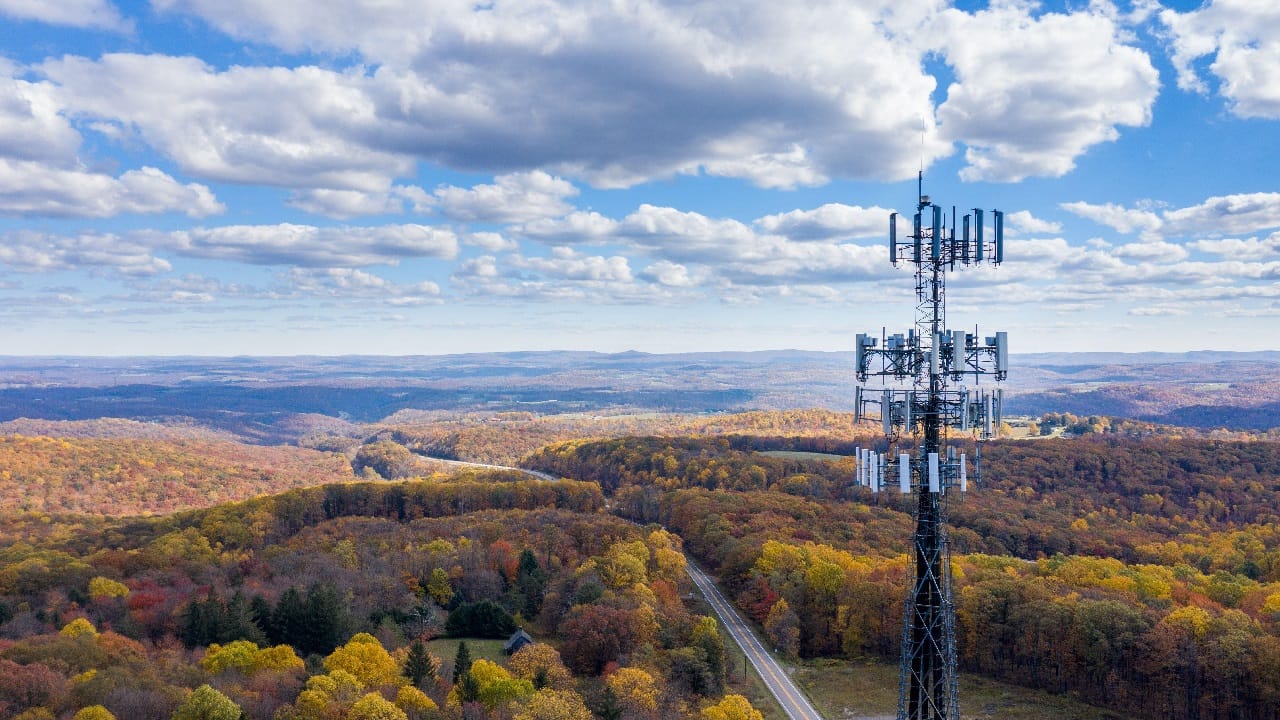
The Supreme Court's recent ruling that the Universal Service Fund (USF) fee is not a tax has set off a wave of activity in the telecom industry, as stakeholders grapple with the implications of this decision. The USF, established to ensure affordable and reliable broadband access in rural and underserved areas, has long been a point of contention. The ruling, which upholds the USF fee as a regulatory charge rather than a tax, has opened the door for further debate and potential reforms.
In the aftermath of the Supreme Court decision, telecom companies are quickly mobilizing to expand the rural funding program. The industry is pushing for a reevaluation of how the USF is funded, with a growing consensus that big tech firms should contribute to the program. The argument is that these companies heavily rely on subsidized networks, and thus, they should share the burden of maintaining these critical infrastructure investments.
The push for tech firms to contribute to the USF is driven by the belief that their use of subsidized networks has been substantial. By leveraging the infrastructure built with USF funds, tech companies have been able to deliver services to rural areas more efficiently. However, the cost of maintaining these networks has largely fallen on telecom providers and taxpayers. The industry argues that this is an inequitable situation, and it is time for tech firms to step up and support the program that enables their operations.
The telecom industry's call for tech firms to contribute to the USF is not without its challenges. There are concerns about how to fairly assess the contribution of tech companies, given the complexity of their operations and the varying degrees of reliance on subsidized networks. Additionally, there is the question of whether tech firms would be willing to participate voluntarily or if legislation would be required to mandate their involvement.
Despite these challenges, the momentum in favor of expanding the rural funding program is strong. Telecom companies are rallying support from policymakers, advocacy groups, and even some tech industry stakeholders. The idea of a "fair share" contribution from tech firms is gaining traction, as it is seen as a way to ensure the sustainability of the USF and the continued provision of broadband services to rural communities.
The potential expansion of the USF to include contributions from tech firms could have significant implications for the telecom industry and the broader tech landscape. It could lead to increased investment in rural infrastructure, improved connectivity, and a more equitable distribution of costs. However, it also raises questions about the role of government regulation in the tech sector and the potential for increased scrutiny of large companies' contributions to public services.
In the coming months, the telecom industry is expected to intensify its efforts to build a coalition in favor of expanding the USF. This will involve engaging with policymakers, presenting data on the benefits of such a reform, and addressing concerns about implementation. The ultimate goal is to ensure that the USF remains a viable tool for supporting rural broadband access, while also ensuring that the burden of funding is shared fairly among all beneficiaries of the subsidized networks.
The Supreme Court's ruling has thus set the stage for a dynamic and evolving debate in the telecom industry. The push for tech firms to contribute to the USF is a reflection of the changing landscape of public-private partnerships and the growing recognition of the critical role that technology plays in bridging the digital divide. As the industry continues to advocate for this expansion, the question remains: will the tech sector step up to support the very infrastructure that enables their operations, and will this lead to a more sustainable and equitable rural broadband network?









