Supreme Court pulls up Bengal Chief Secretary over Malda incident, orders NIA probe into arrested accused
Supreme Court of India on Monday pulled up the West Bengal Chief Secretary for failing to respond to calls from the Chief Justice of the Calcutta High Court during the Malda incident on April 1. The court termed the lapse serious and indicative of a breakdown in communication at the highest levels of the state bureaucracy. The remarks came in the context of an incident in Malda district where seven judicial officers engaged in Special Intensive Revision (SIR) work were allegedly gheraoed and attacked for several hours. The situation, according to the court, reflected not just a law and order failure but a deeper administrative lapse. A bench led by Chief Justice Surya Kant, along with Justices Joymalya Bagchi and Vipul M Pancholi, made pointed observations on the functioning of the West Bengal administration. The bench noted that such incidents contribute to the erosion of credibility of the state bureaucracy and warned against the growing perception of political interference in governance. The court questioned Chief Secretary Dushyant Nariala directly, asking whether it was acceptable that calls from a High Court Chief Justice went unanswered during a critical situation involving judicial officers. It directed him to issue an apology, stating that the episode reflected a clear failure of district-level administration. The court went a step further by describing the Malda incident as “pre-planned and motivated”. The judicial officers were part of a large-scale exercise involving around 700 officials deployed across West Bengal, Odisha, and Jharkhand to handle over 60 lakh objections
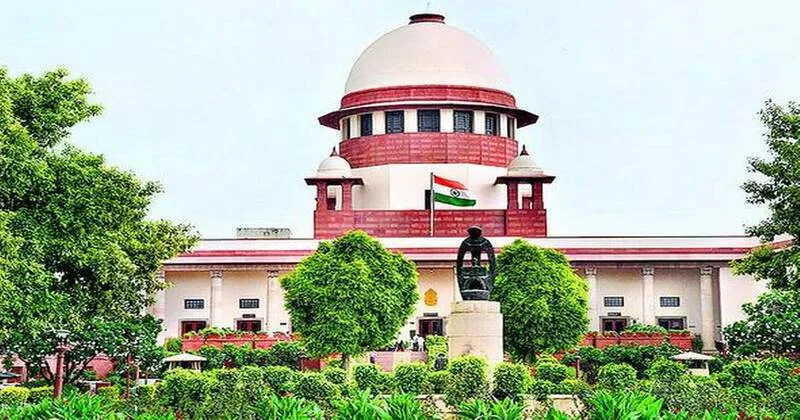
The Supreme Court of India has taken a stern stance against the West Bengal administration following the Malda incident, where seven judicial officers were allegedly gheraoed and attacked. The bench led by Chief Justice Surya Kant, along with Justices Joymalya Bagchi and Vipul M Pancholi, criticized the state bureaucracy for its failure to respond to calls from the Chief Justice of the Calcutta High Court during the crisis. The court termed this lapse as serious and indicative of a breakdown in communication at the highest levels of the state bureaucracy.
The incident occurred in Malda district on April 1, where seven judicial officers engaged in Special Intensive Revision (SIR) work were targeted. The situation, according to the court, reflected not just a law and order failure but a deeper administrative lapse. The bench made pointed observations on the functioning of the West Bengal administration, noting that such incidents contribute to the erosion of credibility of the state bureaucracy. The court warned against the growing perception of political interference in governance, emphasizing the need for impartial and efficient administration.
Chief Secretary Dushyant Nariala was directly questioned by the court, which asked whether it was acceptable that calls from a High Court Chief Justice went unanswered during a critical situation involving judicial officers. The court directed him to issue an apology, stating that the episode reflected a clear failure of district-level administration. The bench went a step further by describing the Malda incident as “pre-planned and motivated.”
The judicial officers were part of a large-scale exercise involving around 700 officials deployed across West Bengal, Odisha, and Jharkhand to handle over 60 lakh objections related to voter list revisions. The gherao of officers for nearly five hours raised serious concerns about their safety and the ability of the administration to ensure a secure working environment for officials performing statutory duties.
The court’s remarks indicate that it views the incident not as an isolated outburst but as a coordinated disruption. The bench also highlighted the need for the state government to take immediate action to restore confidence in the administration and prevent such incidents from recurring. The court ordered a probe into the Malda incident by the National Investigation Agency (NIA), emphasizing the gravity of the situation and the necessity for a thorough investigation.
The Supreme Court’s decision underscores the importance of maintaining effective communication and ensuring the safety of judicial officers during the performance of their duties. The bench’s directive to the West Bengal Chief Secretary to issue an apology signifies the court’s disapproval of the administration’s failure to respond to the crisis. The NIA probe further indicates that the incident is being treated as a serious matter requiring a comprehensive investigation.
The Malda incident has raised concerns about the state of law and order in West Bengal and the ability of the administration to protect judicial officers. The Supreme Court’s intervention highlights the need for the state government to take urgent measures to address these issues and restore public confidence in the bureaucracy. The bench’s warnings about political interference in governance also underscore the importance of maintaining the independence and impartiality of the judiciary.
In conclusion, the Supreme Court’s sharp criticism of the West Bengal administration over the Malda incident highlights the seriousness of the situation and the need for immediate action. The court’s order for a NIA probe and the directive to issue an apology underscore the gravity of the administrative lapse and the need for a thorough investigation. The bench’s warnings about the erosion of credibility and political interference in governance serve as a reminder of the importance of upholding the independence and impartiality of the judiciary. The Malda incident has become a focal point for discussions on the state of law and order in West Bengal and the effectiveness of the state bureaucracy in ensuring the safety of judicial officers.