Sunken nuclear submarine is leaking radioactive material intermittently
Little evidence of radionuclide accumulation in vessel's surrounding environment The post Sunken nuclear submarine is leaking radioactive material intermittently appeared first on Physics World .
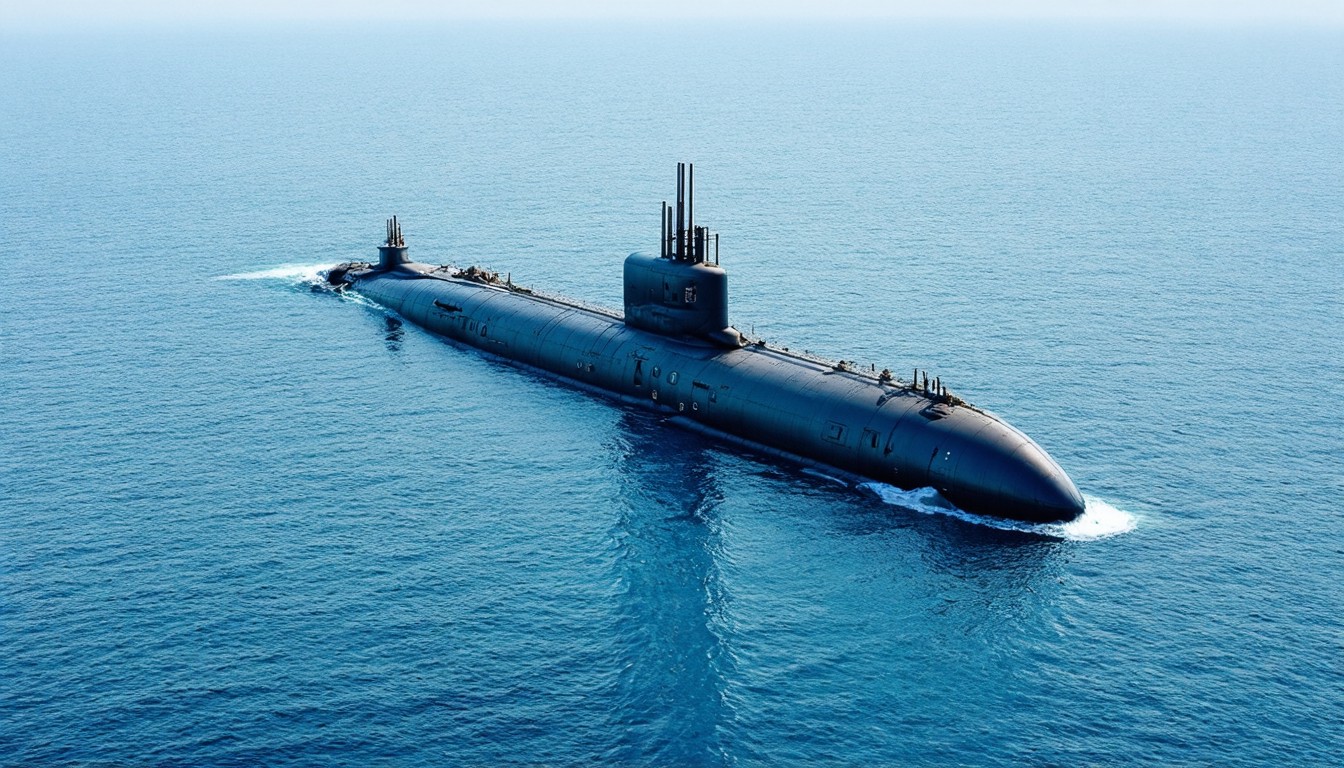
In April 1989, the Soviet Navy's nuclear submarine Komsomolets experienced a catastrophic fire while cruising 335 meters beneath the surface of the Norwegian Sea. Miraculously, the vessel managed to surface, allowing 27 out of its 69 crew members to survive the harrowing ordeal. However, the Komsomolets sank shortly after, and now rests at a depth of 1,680 meters, approximately 180 kilometers off the coast of Norway's Bear Island. Aside from being powered by a nuclear reactor, the submarine is believed to house two torpedo-mounted nuclear warheads, which have understandably raised significant concerns about the potential for radioactive contamination from the wreck.
In 1994, a Russian expedition revealed that plutonium was leaking from one of the warheads, prompting immediate action. The following year, fractures in the hull and torpedo tubes were sealed to mitigate further risks. Since then, measurements taken near the Komsomolets have suggested that any radioactive leakage is swiftly diluted by the surrounding water, offering some reassurance to the global community.
Recently, a team of scientists led by Justin Gwynn and Hilde Elise Heldal from Norway conducted a comprehensive analysis of data collected during a 2019 survey of the Komsomolets wreck. Utilizing the Ægir 6000, a remotely operated vehicle equipped with cameras and instruments capable of diving to 6,000 meters, the researchers explored the marine environment surrounding the submarine. Their findings, published in the Proceedings of the National Academy of Sciences, revealed that seawater and sediment samples near the torpedo compartment showed no evidence of plutonium being released from the warheads.
However, samples collected from near a ventilation pipe indicated that radioactive material is being released intermittently from the nuclear reactor. By analyzing the ratio of plutonium to uranium in the region, the team concluded that the reactor's fuel is corroding, which is likely the cause of these intermittent leaks. Despite these releases spanning over three decades, the Ægir 6000 expedition found little evidence of radionuclides accumulating in the vicinity of the wreck. This is largely attributed to the diluting effect of seawater, which has effectively dispersed any potential contamination.
The research team's conclusion, published in PNAS, states that "considering the current state of the reactor and the surrounding environment, the risk of significant radioactive contamination to the marine ecosystem is low." While the intermittent leaks from the reactor are cause for concern, the rapid dilution of radioactive materials by seawater appears to have limited the potential impact on the environment.
The Komsomolets wreck remains a somber reminder of the dangers associated with nuclear technology, both on land and at sea. As global awareness of the potential hazards grows, ongoing monitoring and research, such as the recent expedition led by Gwynn and Heldal, are crucial in assessing and mitigating any risks posed by such underwater relics. The continued efforts of scientists and international organizations to safeguard the marine environment from radioactive contamination underscore the importance of proactive management of nuclear waste and the need for robust contingency plans to address potential disasters.