Student complains of being forced to attend Modi event in 29° heat; Instagram vlog gets withheld in India
A short Instagram video by a college student from Greater Noida — sardonic, unremarkable in production and filmed in a crowd — was withheld in India on March 30, 2026.... The post Student complains of being forced to attend Modi event in 29° heat; Instagram vlog gets withheld in India appeared first on Alt News .
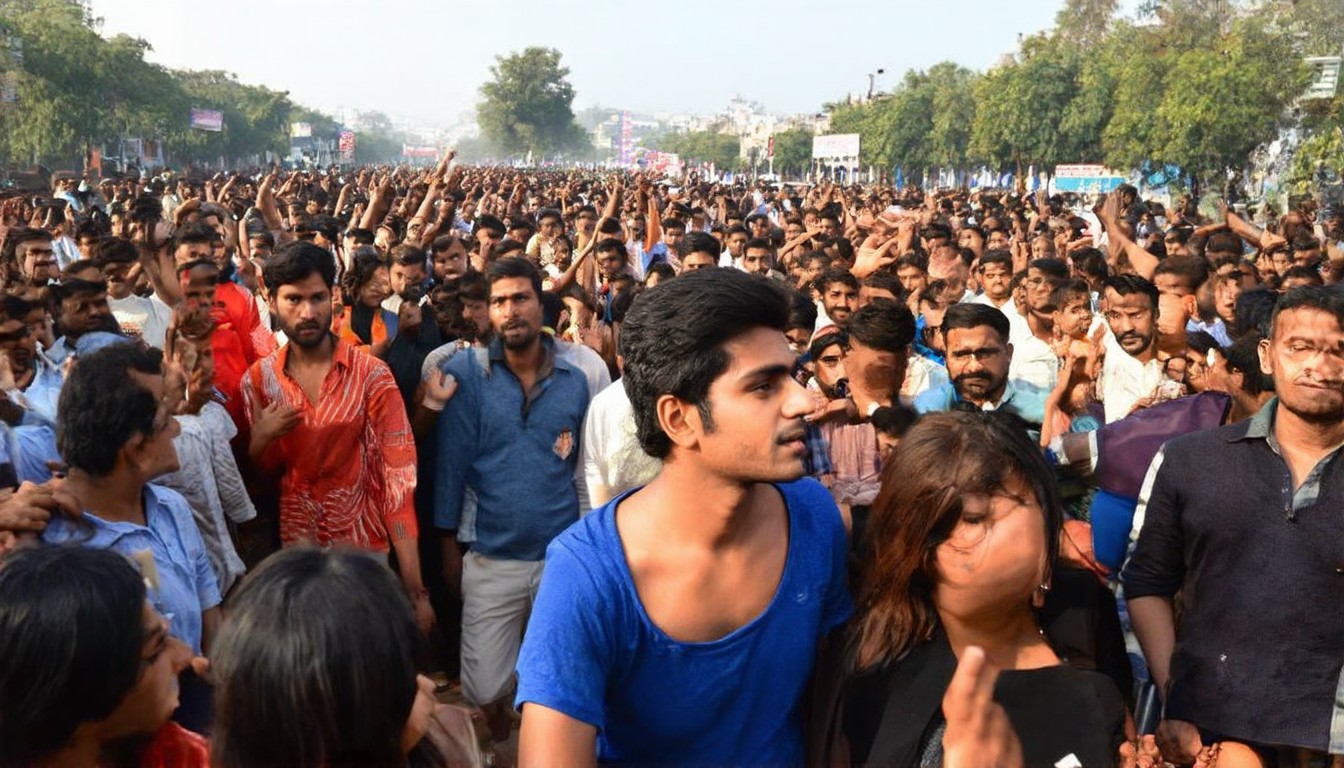
On March 30, 2026, a short Instagram video posted by a college student from Greater Noida was removed from the platform in India. The video, titled "just_happiiee," documented the inauguration of the Noida International Airport by Prime Minister Narendra Modi on March 28. The student's vlog, which was unremarkable in production and filmed in a crowd, was taken down due to a legal request based on local laws, widely understood to refer to a takedown order issued under Section 69A of the Information Technology Act, 2000. This provision grants the government broad powers to block online content in the interest of "public order" or "sovereignty."
The student's video was not an act of espionage or incitement to violence. Instead, it was a first-person account of a student who claimed she and her peers were not at the event by choice. She stated that all students from schools and colleges in Greater Noida, including her own, had been brought to the event with offers of two free days of attendance and other incentives. The student's message was clear: they had not come willingly but had been summoned.
The vlog also highlighted the hospitality provided to attendees during the 29-degree heat. Stuck in traffic, the students were handed Parle-G biscuits. The student expressed her frustration with the situation, saying, "Yaha aane ke baad meh modi ji ko ek hi baat bolna chahungi ‘wah modiji wah. Jo chutiya kata hai na sabka.'" (I only want to say wow Modiji, wow! Eve
The removal of the video sparked discussions about the government's use of Section 69A to restrict free speech and expression. Critics argue that this provision is often used to suppress dissent and limit the flow of information, particularly when it comes to government-organized events. The incident has raised concerns about the balance between national security and individual freedoms in the digital age.
The inauguration of the Noida International Airport, attended by Prime Minister Modi, Uttar Pradesh chief minister Yogi Adityanath, governor Anandiben Patel, and Union aviation minister Ram Mohan Naidu, was meant to showcase the government's commitment to infrastructure development. However, the student's vlog highlighted the coercive tactics used to ensure a large turnout, which inadvertently led to a broader debate on the limitations of free expression in the digital space.
This case is one of many instances where social media users in India have faced restrictions on their content due to government-issued takedown orders. While the government argues that these measures are necessary to maintain public order and sovereignty, critics contend that they stifle dissent and limit the ability of citizens to express their views freely. The removal of the student's video serves as a reminder of the ongoing struggle between government control and individual freedoms in the digital era.
In response to the incident, civil liberties groups have called for a reevaluation of the Information Technology Act and its provisions. They argue that the broad powers granted to the government under Section 69A can be abused and should be subject to stricter oversight and judicial scrutiny. The student's case has become a symbol of the challenges faced by individuals who seek to voice their opinions online in a country where the government has significant influence over digital content.
As the debate continues, it is essential to strike a balance between national security and individual freedoms. The removal of the student's video highlights the need for transparency and accountability in the enforcement of laws that restrict free expression. Ultimately, the future of digital rights in India will depend on how the government and its citizens navigate this delicate balance.