Stuck between yesterday’s historic events and tomorrow’s election, the Legislature muddles along
The 2026 legislative session has been anti-climatic so far. What might happen when lawmakers return from recess? The post Stuck between yesterday’s historic events and tomorrow’s election, the Legislature muddles along appeared first on MinnPost .
The 2026 legislative session in Minnesota has been marked by a lack of significant developments, leaving observers wondering what might transpire when lawmakers return from their spring recess. The Legislature finds itself in a precarious position, stuck between the echoes of historic events and the looming shadow of the upcoming election. This limbo has resulted in a series of stalled initiatives and a general sense of stagnation.
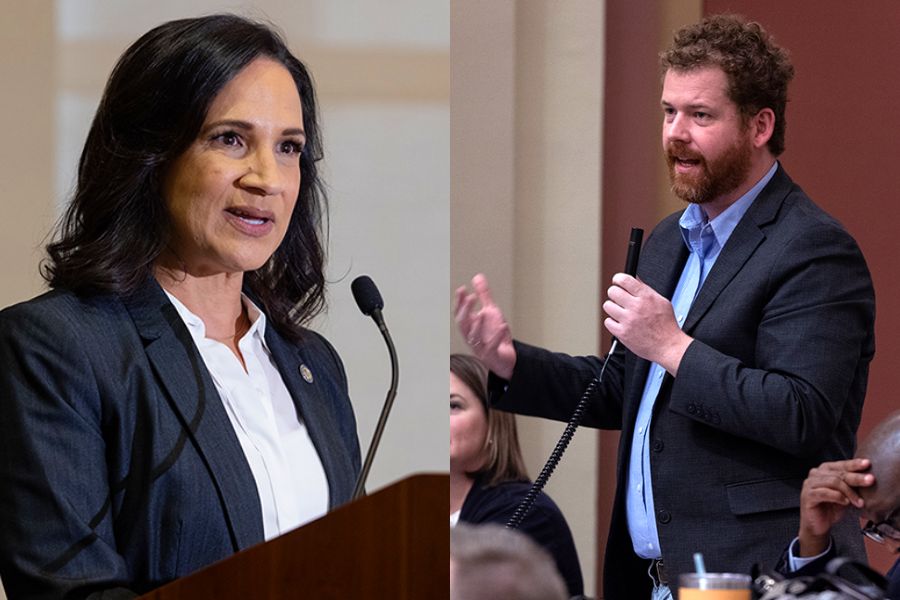
One of the few moments of intrigue occurred during a six-hour Minnesota House floor session last month, just before lawmakers adjourned for the break. Republican Representative Nolan West, of Blaine, rose to advocate for a bill aimed at installing security cameras in child care centers. The legislation held personal significance for West, as his daughter had been physically abused at a child care facility. West argued that the bill was so urgent that if just one Democrat (DFLer) voted in favor of it, and given the evenly split House between Democrats and Republicans, he would be willing to break from his party's unanimous opposition to a separate bill banning federal immigration agents from entering schools without a warrant.
"If you can work with me here, I can work with you on that," West declared, suggesting a potential compromise. The idea of Republicans, including West who had previously criticized parts of Operation Metro Surge, aligning with Democrats on this issue raised questions about what might come next. Could there be movement on gun legislation? Might lawmakers reach an agreement on how to stop predatory health care providers from collecting Medicaid funds instead of simply labeling their actions as "fraud"?
However, any prospect of bipartisan cooperation was quickly dashed by Democratic Representative Carlie Kotyza-Witthuhn of Eden Prairie. Kotyza-Witthuhn, who co-chairs the Children and Families Finance Committee alongside West, pointed out several flaws in the proposed legislation. She noted that the bill only applied to child care centers receiving public funding from enrolling low-income families, thus excluding many centers. Additionally, Kotyza-Witthuhn warned that the measure did not account for potential hacking of security footage, which could be used for "child sexual abuse material."
"This proposal simultaneously goes too far and not far enough," Kotyza-Witthuhn stated. In response, West withdrew the bill from consideration, and the House spent the next two hours debating an assault weapons ban proposal that every Democrat supported and every Republican opposed.
As Senate Majority Leader Erin Murphy, a Democrat from St. Paul, reminded reporters before the recess, the Legislature convened in mid-February following a period marked by political assassination, child abuse, and other contentious issues. The backdrop of these historic events has undoubtedly influenced the current legislative dynamics, with lawmakers struggling to navigate the complexities of their responsibilities while also considering the implications of the upcoming election.
The stalled progress in the Legislature raises questions about the ability of lawmakers to address pressing issues and whether they can muster the political will to move forward. As the spring recess comes to an end, it will be interesting to see how the Legislature navigates this challenging landscape, balancing the weight of past events with the demands of the future. The upcoming election will likely play a significant role in shaping the legislative agenda, as lawmakers grapple with the desire to make a difference amidst the uncertainty of the political climate.