
Streit um Verbrenner: Umwelthilfe scheitert vor dem BGH mit Klimaklage gegen BMW und Mercedes
Wenn es nach der Deutschen Umwelthilfe ginge, müssten BMW und Mercedes-Benz 2030 den Verkauf klimaschädlicher Verbrenner einstellen. Doch der Bundesgerichtshof weist die entsprechende Klage ab.
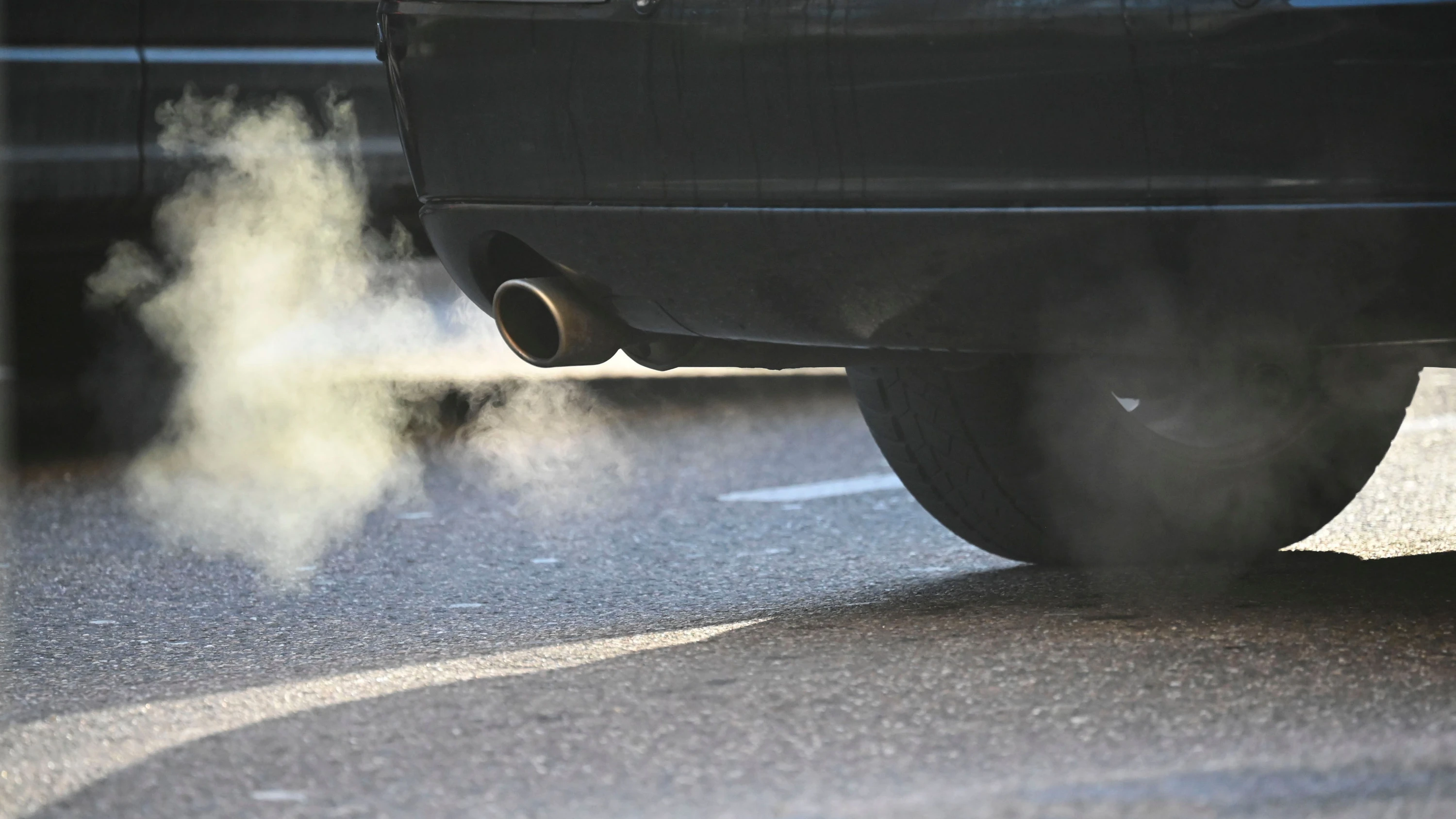
In a significant legal setback for environmental activism, Germany's highest court, the Bundesgerichtshof (Federal Court of Justice), has dismissed a landmark climate change lawsuit filed by the environmental group Deutsche Umwelthilfe (DUH) against automotive giants BMW and Mercedes-Benz. The case centered on the demand for these companies to cease selling climate-harming internal combustion engine vehicles by 2030.
The lawsuit, launched in 2021, was a bold attempt by DUH to push automakers to accelerate their transition to electric vehicles (EVs) and align with the Paris Agreement's goals. The environmental group argued that BMW and Mercedes-Benz were failing to adequately address their responsibility in mitigating climate change by continuing to produce and sell internal combustion engine vehicles. DUH contended that the companies' current plans were insufficient and that a legally binding deadline for phasing out such vehicles was necessary.
In its ruling, the Bundesgerichtshof rejected these claims, stating that the legal framework in place did not grant DUH the right to impose such obligations on the companies. The court emphasized that while climate change is a pressing issue, it is the responsibility of legislative bodies to set binding targets and regulations. It further argued that the companies had already committed to significant reductions in greenhouse gas emissions and were investing heavily in EV production and infrastructure.
The decision marks a significant victory for BMW and Mercedes-Benz, which have faced increasing pressure from environmental groups and regulators to accelerate their transition to electric vehicles. Both companies have set ambitious targets for their EV fleets, with BMW aiming for 50% EV sales by 2030 and Mercedes-Benz targeting 60% by 2030. However, critics argue that these targets are not sufficiently aggressive and that the companies are lagging behind in their efforts to phase out internal combustion engines.
The Bundesgerichtshof's ruling has sparked widespread debate in Germany and beyond about the role of civil society in addressing climate change and the legal avenues available to hold corporations accountable. Environmental groups have expressed disappointment with the decision, arguing that it undermines their efforts to drive systemic change and that the court's interpretation of the law is too narrow. They have called for legislative reforms to empower citizens and organizations to take action against climate-related harm.
On the other hand, industry representatives have welcomed the ruling, arguing that it upholds the principle of corporate autonomy and the need for a clear legal framework before imposing binding obligations. They maintain that the automotive sector is already making significant strides toward sustainability and that the court's decision provides clarity for investors and stakeholders.
The case also highlights the broader challenges faced by environmental activism in the courtroom. While legal avenues offer a powerful tool for change, they often require navigating complex legal frameworks and proving that corporations have a direct legal obligation to act on climate issues. The Bundesgerichtshof's decision underscores the need for a more comprehensive legal approach that integrates climate action into corporate responsibility and sustainability reporting.
In the aftermath of the ruling, DUH has stated that it will continue its efforts to drive change through advocacy and potentially explore alternative legal avenues. The case serves as a reminder that while the courtroom may not always be the most effective battleground for environmental justice, it remains a critical arena in the fight against climate change.
As the automotive industry continues to grapple with the transition to electric vehicles, the BMW and Mercedes-Benz case underscores the complex interplay between corporate responsibility, legal frameworks, and the role of civil society in addressing global environmental challenges. The outcome of this particular dispute may not have been in favor of the plaintiffs, but it has undeniably raised important questions about the future of climate action and the legal tools available to achieve it.









