
Strait of Hormuz sees increased ship traffic ahead of Trump’s deadline. Here’s why oil prices are not budging.
The Strait of Hormuz saw an uptick in traffic over the weekend, as a looming U.S. deadline for Iran to reopen the key waterway kept markets on edge.
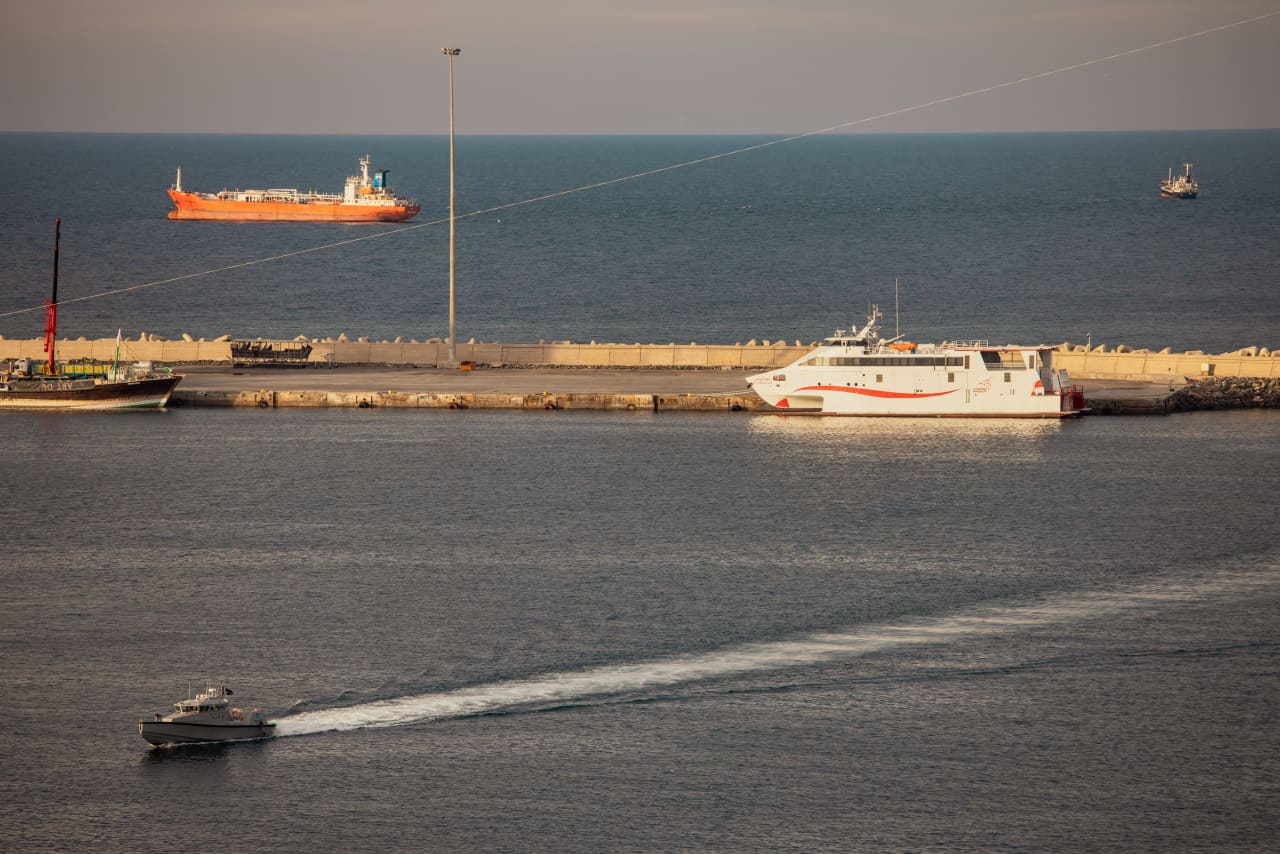
The Strait of Hormuz, a narrow waterway connecting the Persian Gulf to the Gulf of Oman, has witnessed an increase in ship traffic over the weekend. This surge in activity comes as the U.S. deadline for Iran to reopen the strategic waterway looms closer, causing global markets to remain on high alert. Despite the heightened tensions, oil prices have not shown significant fluctuations, raising questions about the underlying factors influencing market stability.
The Strait of Hormuz is a critical chokepoint for global oil trade, with approximately 30% of the world's oil supply passing through it. Its strategic importance has long made it a focal point for geopolitical tensions, particularly between the U.S. and Iran. In May 2019, the U.S. imposed sanctions on Iranian oil exports, prompting concerns about potential disruptions in the strait. Since then, the U.S. has called for Iran to reopen the strait to ensure safe passage for ships, particularly after the U.S. Navy's actions in the region led to heightened tensions.
The recent increase in ship traffic in the Strait of Hormuz is a direct response to the U.S. deadline. Shipping companies, aware of the potential risks, are attempting to maximize their operations before the deadline, which could trigger further U.S. actions against Iran. This has created a sense of urgency among traders and investors, as the potential for disruption in oil supply could have significant implications for global markets.
Despite the heightened tensions, oil prices have remained relatively stable. Analysts attribute this to a combination of factors. Firstly, the International Energy Agency (IEA) has reported that global oil markets are well-supplied, with sufficient inventory to buffer against any short-term disruptions. Secondly, the U.S. has been increasing its strategic petroleum reserves, which could be tapped into if necessary. Additionally, alternative shipping routes, such as the Cape of Good Hope, have been ramped up to mitigate any potential bottlenecks in the Strait of Hormuz.
Moreover, the recent increase in U.S. oil production has helped to offset any potential supply shortages. The U.S. has become a net oil exporter, with production levels exceeding demand. This has put downward pressure on oil prices, making them less sensitive to geopolitical risks in the Strait of Hormuz.
The stability of oil prices also reflects investor confidence in the resilience of global supply chains. While the Strait of Hormuz remains a point of contention, the existence of alternative routes and robust inventory levels has reassured markets that a significant price spike is unlikely. However, this does not mean that the situation is without risks. Any unforeseen incident in the strait could still disrupt supply, leading to volatility in oil prices.
In conclusion, the increased ship traffic in the Strait of Hormuz ahead of the U.S. deadline highlights the ongoing tensions between the U.S. and Iran. Despite the heightened geopolitical risks, oil prices have not budged significantly due to a combination of factors, including robust global oil supplies, alternative shipping routes, and increased U.S. production. While the situation remains precarious, the stability of oil prices underscores the resilience of global markets in the face of geopolitical challenges. However, it is crucial for all stakeholders to remain vigilant, as any disruption in the Strait of Hormuz could have far-reaching consequences for global energy markets.








