
Stop Saying Boredom is Good for Kids
Chronic boredom is harmful to adults, causing stress, disengagement, and poor well-being. Academic researchers have shown that boredom in the workplace can be just as damaging as burnout. But search for information about childhood boredom and you’ll find the opposite message: articles describing boredom for kids as “fantastic”, “important”, and full of benefits.
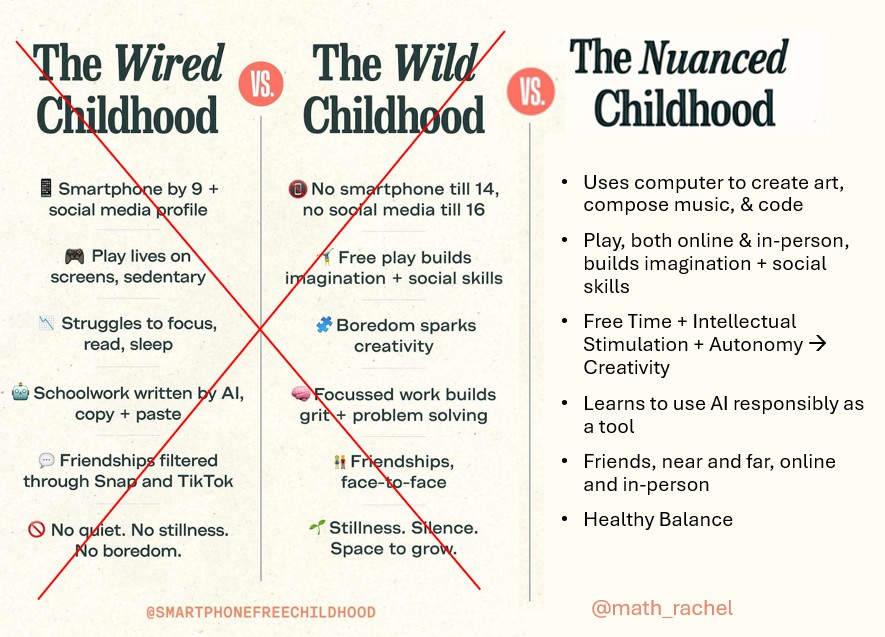
In recent years, the notion that boredom is beneficial for children has become increasingly popular. Parents and educators are often encouraged to embrace boredom as a tool for creativity, problem-solving, and personal growth. However, the growing body of research on adult boredom suggests that this perspective may be misguided. Chronic boredom in adults is linked to stress, disengagement, and poor well-being, and it can even be as damaging as burnout. Yet, when it comes to children, the narrative is strikingly different.
The idea that boredom is good for kids often stems from the belief that it encourages creativity and critical thinking. Proponents of this view argue that when children experience boredom, they are forced to find ways to engage with their environment, leading to increased creativity and problem-solving skills. They point to studies that suggest boredom can help children develop self-regulation and emotional resilience.
However, recent research challenges this perspective. A 2021 study published in the Journal of Child Psychology and Psychiatry found that chronic boredom in children can lead to negative outcomes, including increased anxiety and depression. The study's authors argue that while occasional boredom might have some benefits, prolonged boredom can be detrimental to a child's mental health.
Furthermore, the notion that boredom is a natural part of childhood overlooks the role of societal pressures and expectations. In today's fast-paced world, children are often expected to be constantly engaged and productive. This can lead to a culture where boredom is not only tolerated but even encouraged, as a way to foster creativity. However, this approach may inadvertently normalize feelings of disengagement and stress in children.
Additionally, the emphasis on boredom as a positive experience for children can overlook the role of external factors. For instance, children from low-income families may experience chronic boredom due to limited access to stimulating activities or resources. In such cases, boredom is not a choice but a consequence of systemic inequalities.
Moreover, the idea that boredom is good for kids can perpetuate a dangerous myth: that children should be able to self-regulate their boredom without external support. While self-regulation is an important skill, it is not always accessible to all children, particularly those with mental health challenges or those from disadvantaged backgrounds.
In light of these findings, it is crucial to reconsider our approach to childhood boredom. While occasional boredom might have some benefits, chronic boredom can have serious negative consequences. Instead of romanticizing boredom, we should focus on creating environments that support children's well-being and offer them opportunities for meaningful engagement and growth.
Ultimately, the message that boredom is good for kids may be doing more harm than good. By normalizing chronic boredom, we risk overlooking the potential negative impacts on children's mental health and well-being. It is time for a more nuanced and evidence-based approach to understanding and addressing childhood boredom.









