Stocks have their worst quarter since 2022, raising doubts about Trump's economic playbook
A good day on Wall Street capped off a bad month for U.S. stocks, which lost hundreds of billions of value in March, as the Iran war drove up oil prices

The U.S. stock market experienced its worst quarter since 2022, as tensions escalated in the Middle East and concerns grew about the effectiveness of President Trump's economic policies. March saw a significant decline in stock values, with the Dow Jones Industrial Average, S&P 500, and Nasdaq Composite all ending the month with substantial losses. Analysts attributed the poor performance to a combination of geopolitical uncertainties and doubts about the administration's ability to steer the economy in a positive direction.
The Iran situation played a major role in the market's downturn. Rising oil prices, driven by fears of increased conflict in the region, contributed to a broader risk aversion among investors. This uncertainty led to a flight to safety, with many investors shifting their focus to bonds and other less volatile assets. The price of crude oil surged by over 10% in March, as geopolitical tensions heightened and concerns about supply disruptions grew. This not only impacted the energy sector but also had ripple effects across other industries, as higher fuel costs and inflationary pressures became more pronounced.
President Trump's economic policies have also come under scrutiny in the wake of the stock market's poor performance. Critics argue that his approach, which includes protectionist trade policies and tax cuts for corporations, has failed to deliver the robust economic growth promised during his campaign. The administration's focus on deregulation and infrastructure spending has been met with mixed results, with some projects stalling due to bureaucratic hurdles and political infighting. Additionally, the ongoing trade tensions with China and other nations have raised questions about the long-term sustainability of the U.S. economy.
Economists and market analysts have expressed concerns about the implications of the stock market's downturn. They note that a prolonged period of poor performance could lead to a broader economic slowdown, as consumer confidence and business investment take a hit. Some experts have suggested that the administration needs to reevaluate its economic strategy to address these challenges and restore investor confidence.
Despite the challenges, there are signs that the market may be stabilizing. On the final day of March, Wall Street experienced a modest rally, with the Dow Jones and S&P 500 ending the month with a 5% and 6% decline, respectively. The Nasdaq Composite, which had been particularly hard-hit, closed the month with a 7% loss. While the overall sentiment remains cautious, some investors are beginning to look for opportunities in sectors that may be less affected by geopolitical uncertainties and economic headwinds.
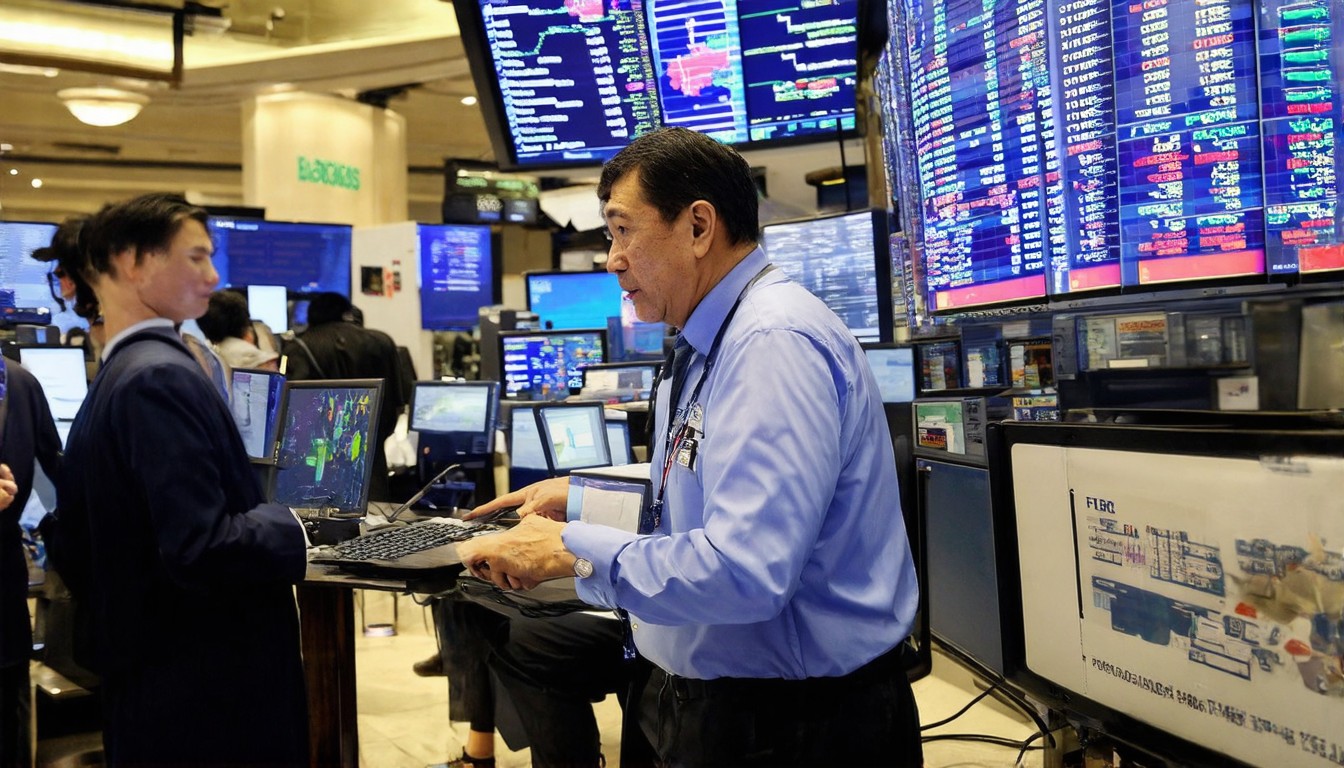
In the trading floors of the New York Stock Exchange, a sense of unease lingers. Traders and analysts monitor global events with heightened attention, as they navigate the complex interplay of geopolitics, policy, and economic fundamentals. The stock market's performance in the coming months will likely depend on how effectively the administration addresses these challenges and whether investors can regain confidence in the direction of the U.S. economy.
As the market looks ahead, the question of whether Trump's economic playbook can deliver sustained growth remains unanswered. With the stock market's poor performance in the first quarter of 2023, doubts about the administration's economic strategy have only grown. The coming months will be crucial as investors and policymakers alike grapple with the complexities of the global economic landscape and the challenges posed by geopolitical tensions. Only time will tell whether the U.S. economy can recover its footing and whether the market's worst quarter since 2022 is a one-off event or an early warning sign of broader economic difficulties.