Stellantis recalls 77,500 vehicles in Spain due to fire risk
The problem affects Peugeot, Citroën, Opel, Lancia, Alfa Romeo, Jeep and Fiat vehicles manufactured between 2023 and 2026, according to the automotive group. The problem detected is not related to the engine, but to two components. It is a voluntary recall.
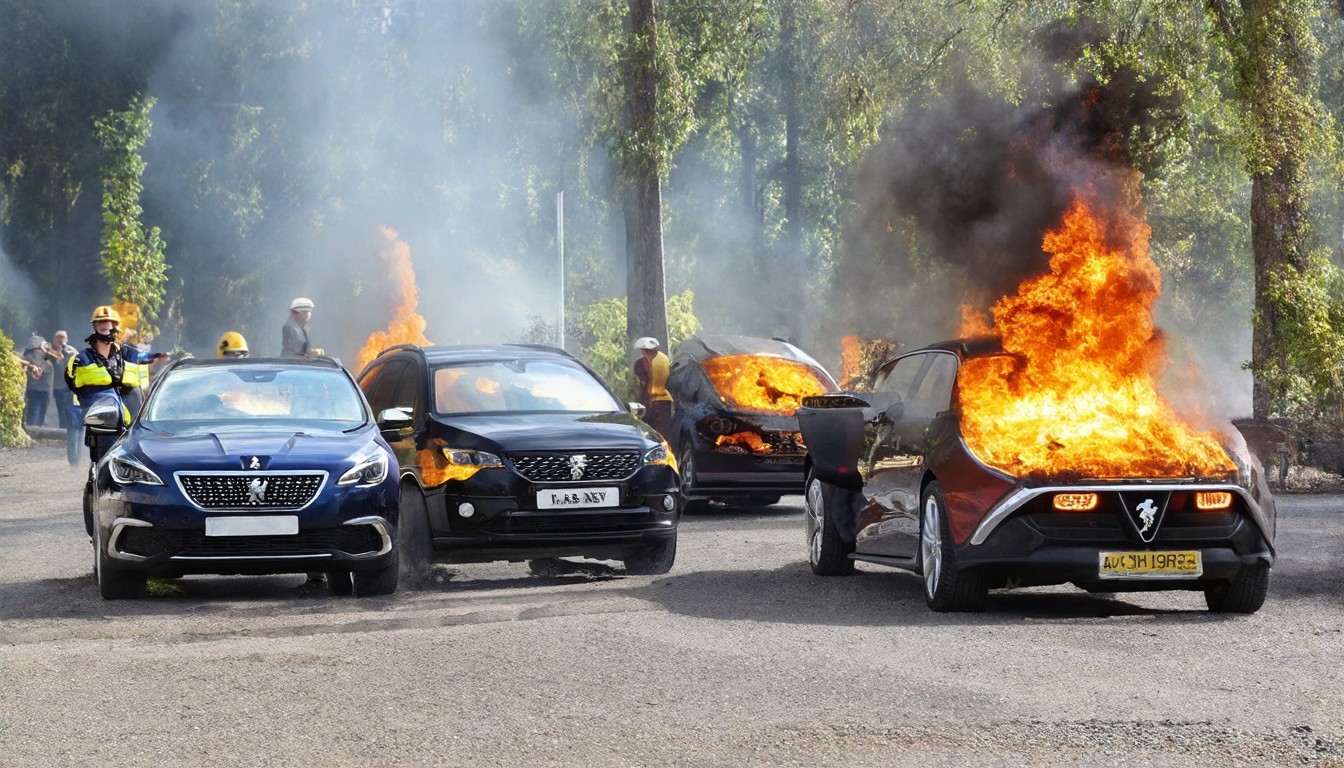
Stellantis, the world's fourth-largest automaker, has announced a voluntary recall of 77,500 vehicles in Spain due to a fire risk. The affected vehicles include models from Peugeot, Citroën, Opel, Lancia, Alfa Romeo, Jeep, and Fiat, all manufactured between 2023 and 2026. The issue is not related to the engine but stems from two specific components that have been identified as potentially hazardous.
The recall comes as a precautionary measure, with Stellantis emphasizing that no reports of fires or injuries have been linked to the defect. The automaker is working closely with local authorities and dealerships to ensure that all affected vehicles are inspected and repaired promptly. Customers will be notified individually, and the repair process is expected to be straightforward, involving the replacement of the problematic components.
The two components implicated in the recall are not specified by Stellantis, but the company has assured customers that the issue does not affect the overall safety or performance of the vehicles. The manufacturer is committed to maintaining high standards of quality and safety, and this voluntary recall is a testament to their proactive approach in addressing potential risks.
This is not the first time Stellantis has undertaken a large-scale recall. In recent years, the company has been involved in several recalls related to different issues, including software updates and mechanical defects. However, the current recall marks a significant milestone for the Spanish market, affecting a substantial number of vehicles across multiple brands.
The decision to recall the vehicles has been welcomed by consumer protection groups, who commend Stellantis for taking responsibility and prioritizing safety. They also highlight the importance of regular vehicle maintenance and inspections, which can help identify and mitigate potential issues before they escalate.
In response to the recall, Stellantis has set up dedicated service centers across Spain to expedite the repair process. The company has assured customers that they will not incur any additional costs for the repairs, and the entire process will be covered under the manufacturer's warranty.
The voluntary recall has prompted questions about the long-term impact on Stellantis's reputation and sales in the Spanish market. While the company has not released specific figures, industry analysts suggest that the recall could potentially affect consumer confidence, albeit temporarily. However, Stellantis's transparent communication and swift action in addressing the issue are likely to reassure many customers and maintain trust in the brand.
In conclusion, Stellantis's voluntary recall of 77,500 vehicles in Spain highlights the ongoing commitment of automakers to ensure the safety and reliability of their products. While the fire risk posed by the two components in question has not resulted in any reported incidents, the company's proactive approach demonstrates a dedication to upholding high safety standards. As the recall progresses, it will be interesting to see how this situation affects Stellantis's market position and customer perception in the long run.