Home HealthStanford’s AI spots hidden disease warnings that s...
Health⭐ Featured

Stanford’s AI spots hidden disease warnings that show up while you sleep

Stanford researchers have developed an AI that can predict future disease risk using data from just one night of sleep. The system analyzes detailed physiological signals, looking for hidden patterns across the brain, heart, and breathing. It successfully forecast risks for conditions like cancer, dementia, and heart disease. The results suggest sleep contains early health warnings doctors have largely overlooked.

6 April 2026 at 06:12 pm
1 views
Stanford’s AI spots hidden disease warnings that show up while you sleep

Stanford researchers have developed an AI system that can predict future disease risk using data from just one night of sleep. This groundbreaking technology analyzes detailed physiological signals, such as brain activity, heart rate, and breathing patterns, to uncover hidden health indicators that may signal the onset of serious conditions. The study, which has been met with significant interest in the medical community, highlights the potential for sleep to be a critical window into early health warnings that doctors have often overlooked.

The AI, named SleepHealth, was trained on a large dataset of sleep recordings and corresponding health outcomes. Researchers found that subtle changes in sleep patterns and physiological signals can serve as early markers for diseases like cancer, dementia, and heart disease. By analyzing these signals, SleepHealth can predict disease risk with a high degree of accuracy, even before traditional diagnostic methods become available.

One of the key insights from the study is the realization that sleep is not just a period of rest but also a time when the body may exhibit early signs of underlying health issues. The AI system identifies these signs by examining patterns in brain waves, heart rate variability, and other biomarkers that are often undetectable through conventional sleep studies. These patterns can indicate the presence of conditions that may not yet be apparent in blood tests or other standard diagnostic tools.

The potential implications of this technology are profound. If doctors can use SleepHealth to identify individuals at high risk for certain diseases, they may be able to intervene earlier, leading to better outcomes and reduced healthcare costs. For example, early detection of heart disease could enable lifestyle changes or preventive measures that might prevent more severe complications. Similarly, identifying early signs of dementia could allow for interventions that slow disease progression.

However, the study also raises important questions about the limitations and ethical considerations of using AI to predict health risks. While the system has shown promise, it is crucial to validate its findings through further research and clinical trials. Additionally, concerns about data privacy and the potential for misuse of sensitive health information must be addressed as the technology advances.

Despite these challenges, the potential benefits of using AI to analyze sleep data are significant. By leveraging advanced machine learning algorithms, researchers are unlocking new insights into the complex relationship between sleep and health. This could lead to a paradigm shift in how we approach preventive healthcare, emphasizing the importance of sleep as a critical component of overall well-being.

In conclusion, Stanford’s AI system offers a promising new tool for predicting disease risk based on sleep patterns. By analyzing detailed physiological signals, the technology can uncover early warnings of serious conditions, providing healthcare professionals with valuable information to improve patient outcomes. While further research is needed to refine and validate the system, the potential for sleep to become a key indicator of health status is undeniable. As our understanding of sleep and its role in disease development grows, so too will the opportunities to harness this knowledge for better health outcomes.
📰 Related News
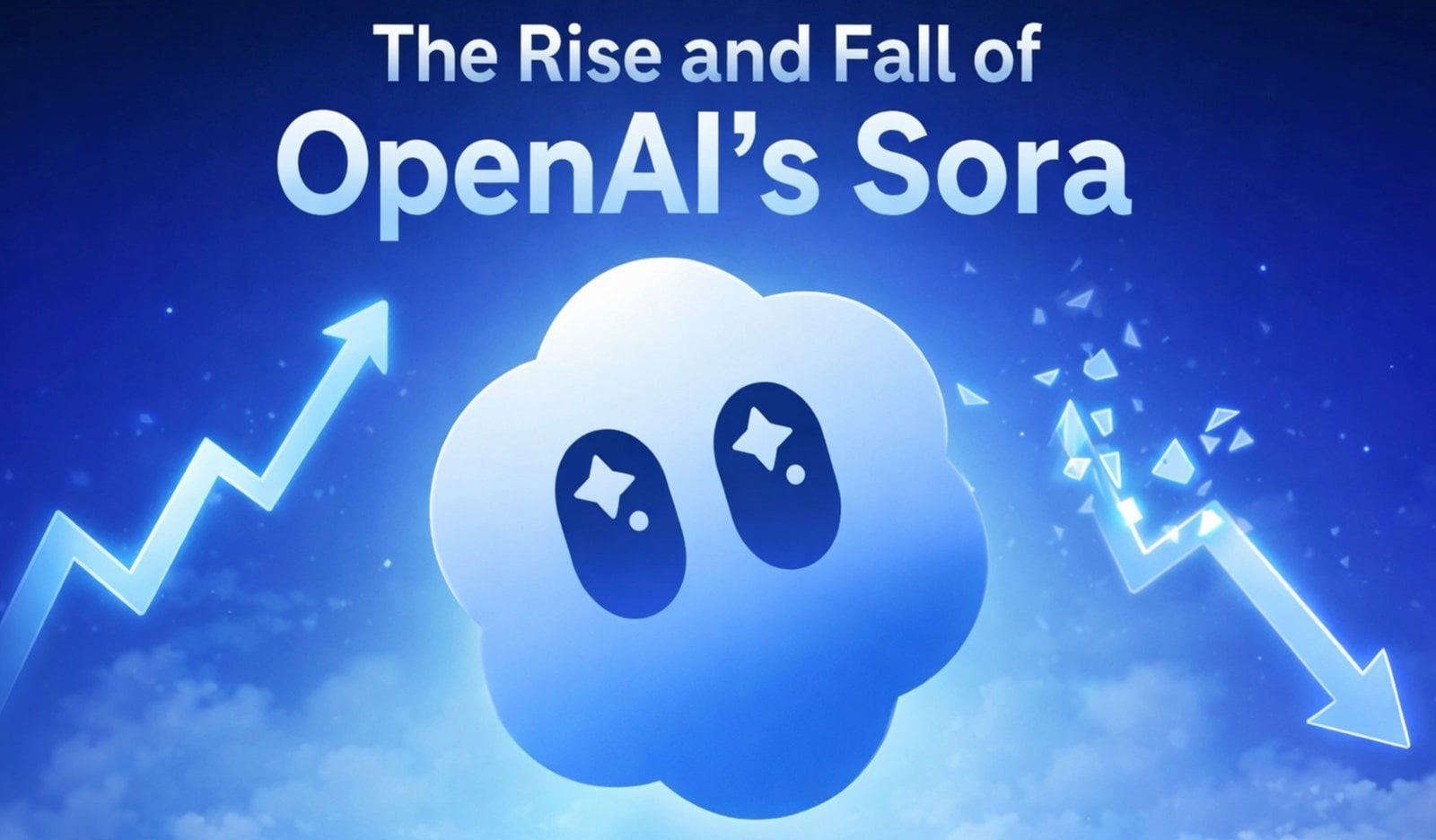
The Rise and Sudden Fall of OpenAI’s Sora
OpenAI’s abrupt decision to shut down its AI video generation app, Sora, just 103 days after launch has sparked widespread debate about the company’s strategic direction and financial health. Despite a $1 billion partnership with Disney and a viral debut that…
13 Apr
St. Luke’s stays on track with massive expansion
St. Luke’s Medical Center continues to absorb higher costs brought about by the ongoing Middle East crisis as much as it can, with the company staying on track with massive investments for expansion and technology upgrades.
7 Apr
Granulated Lime vs. Bulk Lime: What’s the Difference?
Understanding the type of lime required for your soil can significantly impact your crop yield and overall soil health.
7 Apr
Can surgery used to treat fluid accumulation also help with Alzheimer’s? A Singapore trial is exploring this possibility
Early results from a small clinical trial at Changi General Hospital suggest the technique could lead to improvements in memory, mood and cognition.
7 Apr
Famers hear how to ‘Look after your health and your herd’ at latest meeting of Grassland Club
The members of Fermanagh Grassland Club were in for a treat in March when eminent qualified doctor and vet, Professor Patrick Wall, Dublin, was the speaker at their meeting in the Killyhevlin Hotel, Enniskillen.
7 Apr
ICMSA: HSA rules on telescopic telehandlers ‘way over the top’
The vast majority of farmers are completely unaware that training is now required under Health and Safety Authority (HSA) telescopic telehandlers rules, according to farm organisation. Pat O’Brien, chairperson of the farm business committee for the Irish Creamery Milk Suppliers Association (ICMSA) has criticised requirements for training from the Health and Safety Authority (HSA). Under […] The post ICMSA: HSA rules on telescopic telehandlers ‘way over the top’ appeared first on Agriland.ie .
7 Apr
ICSA: ‘Additional support’ needed for bluetongue vaccination
Bluetongue vaccination must be supported as “an additional measure” and not at the expense of core animal health actions, the Irish Cattle and Sheep Farmers’ Association (ICSA) has warned. Last month the Minister for Agriculture, Food and the Marine, Martin Heydon said that vaccination against bluetongue virus would be included as an “option” for farmers […] The post ICSA: ‘Additional support’ needed for bluetongue vaccination appeared first on Agriland.ie .
7 Apr
AWS Weekly Roundup: Amazon Connect Health, Bedrock AgentCore Policy, GameDay Europe, and more (March 9, 2026)
Fiti AWS Student Community Kenya! Last week was an incredible whirlwind: a round of meetups, hands-on workshops, and career discussions across Kenya that culminated with the AWS Student Community Day at Meru University of Science and Technology, with keynotes from my colleagues Veliswa and Tiffany, and sessions on everything from GitOps to cloud-native engineering, and […]
7 Apr
Farm accident survivor welcomes requirements for use of telehandlers
A farm accident survivor originally from Co. Sligo has welcomed the stringent requirements outlined by the Health & Safety Authority for the use of telehandlers, sometimes called teleporters. It follows comments made earlier this week by the Irish Creamery Milk Suppliers’ Association (ICMSA) claiming that the requirements were “over the top”. Such commentary has been […] The post Farm accident survivor welcomes requirements for use of telehandlers appeared first on Agriland.ie .
7 Apr
Sabah bans export and import of some local freshwater fish, including koi, after virus outbreak
Mr Jamawi said such actions violated biosecurity principles and caused infections among native species.
7 Apr