Stall release of Tamil film TN 2026, urges a plea before Madras High Court
M.L. Ravi of Desiya Makkal Sakthi Katchi had filed the case claiming that the political references in the movie would have an adverse effect on Tamil Nadu Assembly elections 2026
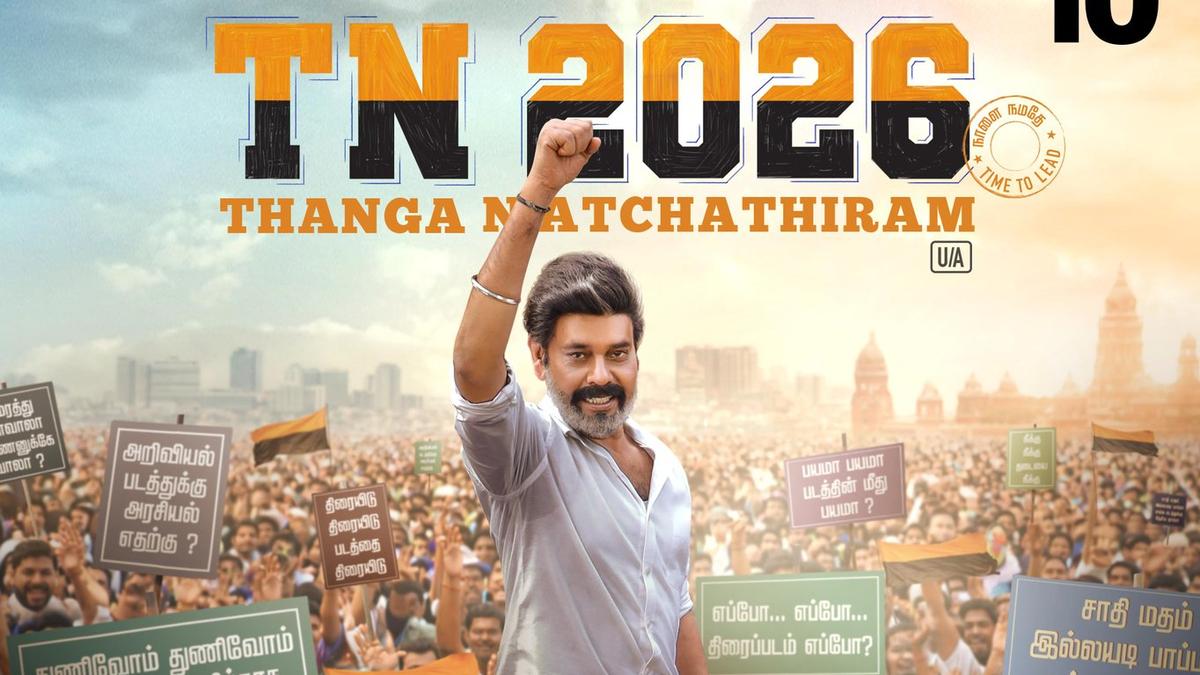
The Madras High Court in Chennai has been approached by M.L. Ravi, a leader of the Desiya Makkal Sakthi Katchi party, who has filed a case seeking a stay on the release of the upcoming Tamil film "TN 2026." Ravi's plea centers around concerns that the movie, which is set to be released in the coming weeks, contains political references that could potentially impact the upcoming Tamil Nadu Assembly elections scheduled for 2026.
In his petition, Ravi argues that the film's narrative and portrayal of political figures could lead to undue influence on voters, thereby distorting the democratic process. He has emphasized that the movie's content could be misinterpreted by the public, potentially swaying their opinions and decisions during the elections. The case has drawn attention to the delicate balance between artistic freedom and the need to maintain the integrity of electoral processes in the state.
The film "TN 2026" has been in the works for several years, and its release has been highly anticipated by film enthusiasts. The movie's plot revolves around a fictional political scenario set in the year 2026, which coincides with the actual election year. The filmmakers have stated that their intention was to explore political themes through a narrative that is both entertaining and thought-provoking. However, Ravi's plea raises questions about the potential consequences of such portrayals in the real-world context.
The Madras High Court is expected to hear the case in the coming days, with both parties presenting their arguments. If the court grants Ravi's request for a stay, the release of the film would be postponed until the matter is resolved. This could have significant implications for the film's production team, distributors, and cast, as well as for the moviegoers eagerly awaiting the film.
The case has also sparked a wider debate on the role of cinema in politics. Supporters of the film argue that art should be free from political interference and that the movie's content should be evaluated on its own merits. They contend that attempts to suppress the film based on political concerns could set a dangerous precedent, stifling creative expression and limiting the ability of filmmakers to address relevant social and political issues.
On the other hand, critics of the film, like Ravi, believe that the line between fiction and reality must be drawn to prevent misinformation and ensure a fair electoral process. They argue that the film's portrayal of political figures could be seen as an endorsement or criticism, which could inadvertently influence voters' perceptions.
As the case unfolds, it remains to be seen how the Madras High Court will balance the rights of filmmakers with the need to safeguard the electoral process. The outcome could have far-reaching implications not only for the film industry but also for the broader discourse on the intersection of politics and art in Tamil Nadu and beyond.
In the meantime, the film's production team has expressed their confidence in the movie's ability to withstand scrutiny. They have stated that the film's creators have taken great care to ensure that the narrative is fictional and does not intend to sway voters. However, the legal battle surrounding the film's release has undoubtedly added an element of uncertainty to its anticipated premiere.
As the case progresses, both supporters and opponents of the film are closely watching the proceedings. The outcome will likely serve as a test case for future instances where artistic expression and political processes intersect, shaping the future of cinema in the region and beyond.