Stalin slams NEP 3-language plan, Pradhan calls it ‘linguistic liberation’
Tamil Nadu CM flags “Hindi imposition” in CBSE’s new language policy, while Centre says NEP promotes multilingualism and flexibility in education.
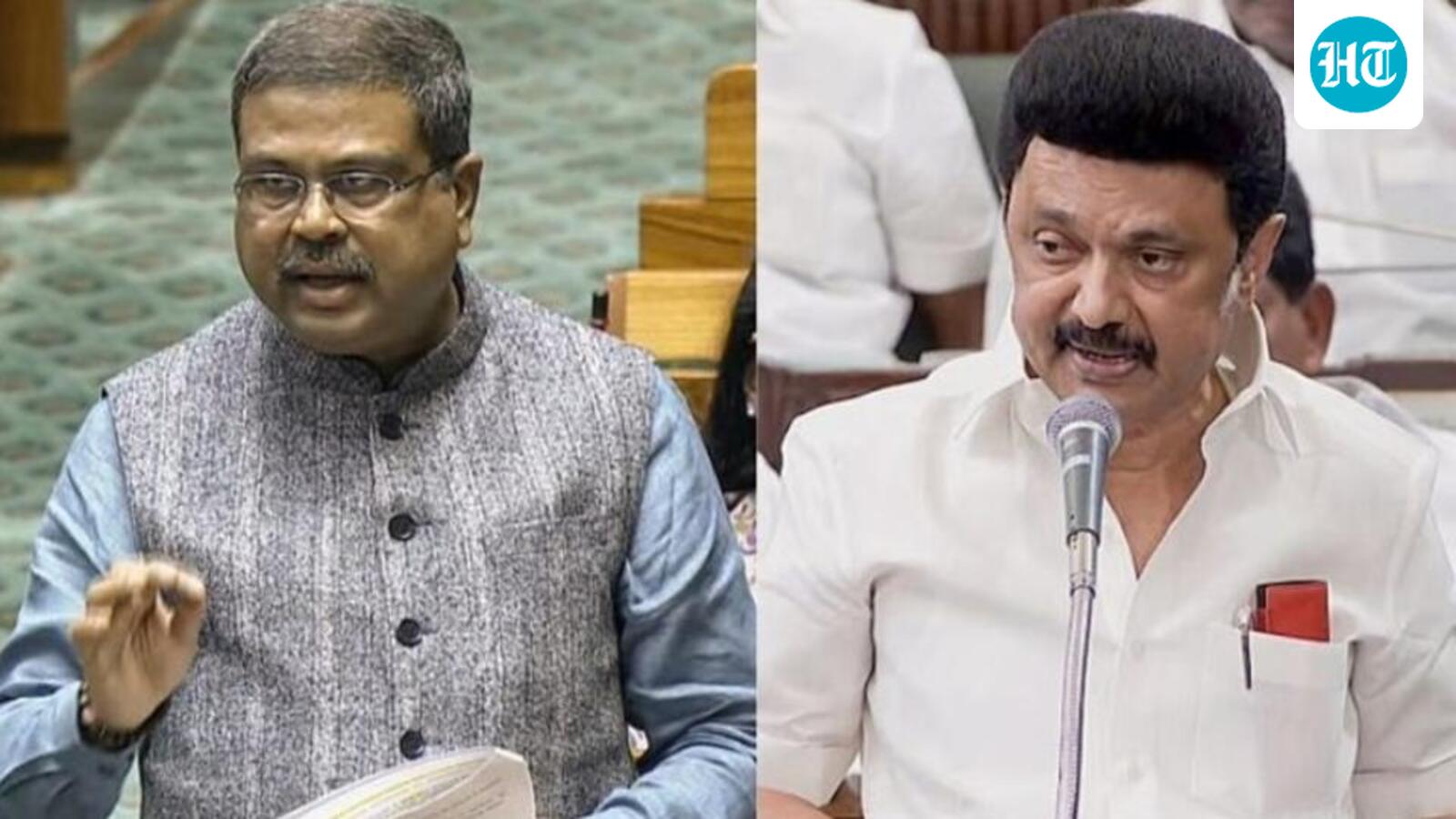
The recent announcement of the National Education Policy (NEP) by the Indian government has sparked a heated debate between the Centre and the state of Tamil Nadu over the language provisions in the policy. Tamil Nadu Chief Minister M. K. Stalin has accused the Centre of imposing Hindi in the Central Board of Secondary Education (CBSE) schools, while the Centre maintains that the NEP promotes multilingualism and offers flexibility in education.
The NEP, launched in July 2020, outlines a comprehensive plan to transform India's education system, emphasizing the importance of multilingualism and regional languages. One of the key provisions of the policy is the introduction of three languages in the curriculum: Hindi, English, and one regional language. This move has been framed as a way to promote linguistic diversity and ensure that students are well-versed in multiple languages.
However, Tamil Nadu has expressed concerns over the implementation of this language policy, particularly in CBSE schools within the state. Chief Minister Stalin has raised flags over what he perceives as an attempt to impose Hindi, arguing that it could marginalize regional languages and lead to a loss of linguistic identity. He has called for a reevaluation of the language policy, emphasizing the need to protect and promote Tamil as the primary medium of instruction in schools.
In response to these concerns, the Centre has clarified that the NEP does not aim to impose any language but rather seeks to provide students with a robust linguistic foundation. The policy allows for flexibility in choosing the third language, with the option of opting for a regional language or any other language of choice. The Centre has also highlighted that the primary medium of instruction in schools remains the same, and the language policy does not interfere with this aspect.
Despite these assurances, Tamil Nadu has continued to voice its opposition to the language policy. Chief Minister Stalin has referred to the policy as an "imposition of Hindi," citing concerns that it could lead to a decline in the use of regional languages. He has also called for a "linguistic liberation" movement, advocating for the protection and promotion of regional languages in the education system.
The debate over the language policy has taken on a political dimension, with Tamil Nadu's DMK-led government accusing the Centre of undermining the linguistic rights of the state's population. The Centre, on the other hand, has maintained that the NEP is designed to promote multilingualism and offer educational opportunities to all students, regardless of their linguistic background.
The issue of language in education is a complex one in India, where the country has 22 official languages and numerous regional languages spoken across its diverse states. The NEP's language provisions have been seen as an attempt to address this complexity by providing a balanced approach to linguistic education.
Critics of the policy argue that it could lead to a marginalization of regional languages, as students may be pressured to prioritize Hindi and English in their education. They also point out that the policy may not be equitably implemented across the country, with certain regions having more resources and infrastructure to support multilingual education than others.
In contrast, proponents of the policy argue that it offers a more inclusive and flexible approach to education, allowing students to benefit from a broader linguistic base. They also highlight that the policy does not mandate the use of Hindi as a primary language but rather provides it as one of the three languages in the curriculum.
The debate over the language policy has highlighted the ongoing tensions between the Centre and states in India, particularly in matters related to linguistic identity and education. As the policy is being implemented, it will be crucial for both the Centre and states to work together to ensure that the language provisions are equitably and effectively implemented, without compromising the linguistic rights of any region.
In conclusion, the language provisions of the National Education Policy have sparked a significant debate in India, with Tamil Nadu's Chief Minister accusing the Centre of imposing Hindi in CBSE schools. The Centre, however, maintains that the policy promotes multilingualism and offers flexibility in education. As the policy is being rolled out, it will be essential for all stakeholders to engage in constructive dialogue and find solutions that uphold the linguistic rights and cultural identity of all regions in the country.