
Sri Lanka unveils $410 million subsidy to offset energy costs
Cash grants would be paid directly to thousands of fishermen and rice and tea farmers.
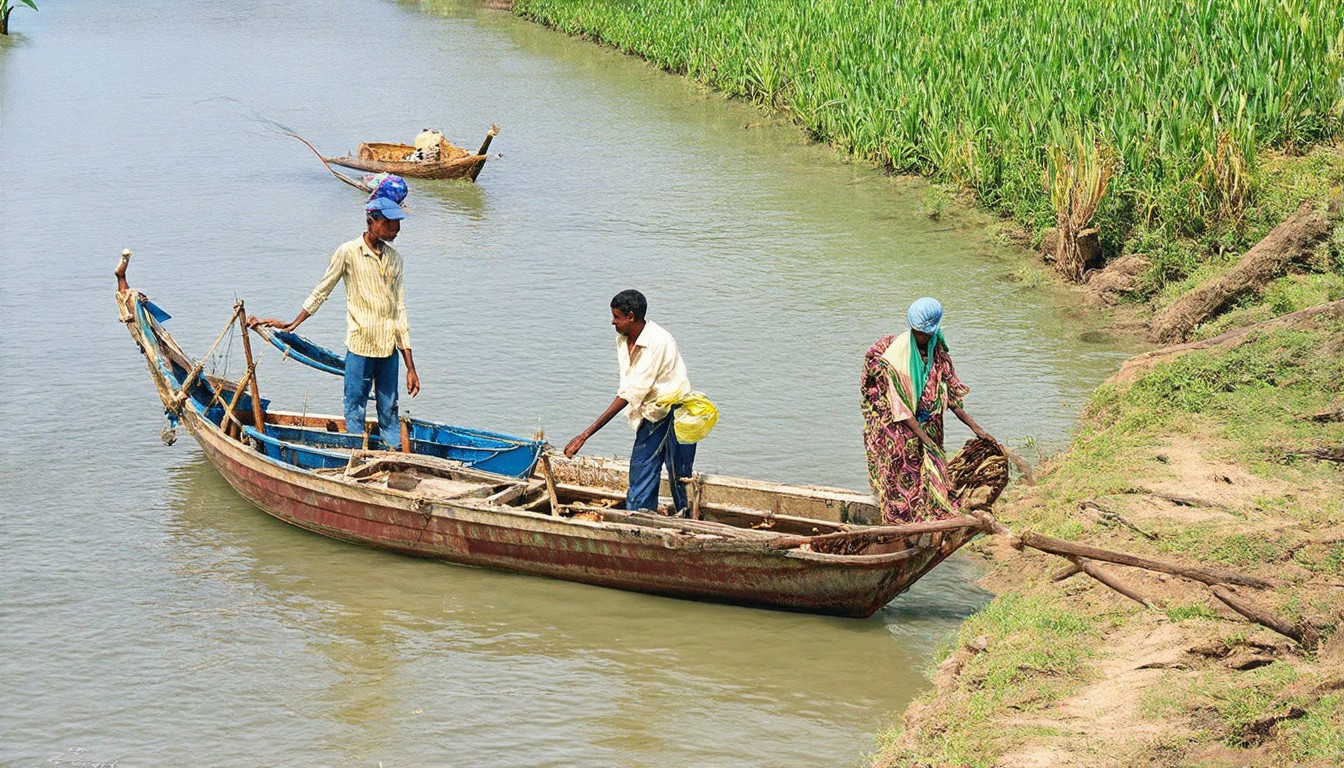
Sri Lanka has announced a $410 million subsidy to help alleviate the financial burden on energy costs for vulnerable agricultural sectors, including fishermen and farmers who grow rice and tea. This move comes as the country grapples with soaring energy prices, which have significantly impacted small-scale producers and businesses. The government's decision to allocate substantial funds towards this initiative highlights its commitment to safeguarding the livelihoods of these critical sectors.
The subsidy, which is part of a broader economic support package, aims to provide immediate relief to thousands of farmers and fishermen who are heavily reliant on energy for their daily operations. By directly transferring cash grants to these groups, the government hopes to ensure that they can continue their activities without facing insurmountable financial challenges. This targeted approach is particularly important, as these sectors form a significant part of Sri Lanka's economy and are crucial for food security and export earnings.
Rice and tea farming are two of Sri Lanka's major agricultural exports, and the country is known for its high-quality tea production. However, the energy costs associated with these industries have risen sharply, making it difficult for small-scale farmers to maintain profitability. The subsidy is designed to offset these increased expenses, allowing farmers to invest in other areas such as equipment, fertilizers, and seeds. This, in turn, could lead to improved productivity and sustainability in the long run.
Fishermen, too, have been hit hard by rising energy costs, particularly those who rely on diesel engines for their boats. The subsidy will provide much-needed financial support to these individuals, enabling them to continue their livelihoods and contribute to Sri Lanka's fishing industry, which is vital for both domestic consumption and export markets.
The government's decision to prioritize these sectors in the subsidy program reflects a recognition of their importance in the national economy. By directly transferring funds to the farmers and fishermen, the government is ensuring that these critical groups are not left behind in the face of economic challenges. This initiative also underscores the government's commitment to addressing the root causes of inflation and energy price hikes, which have affected all sectors of the economy.
The implementation of the subsidy will likely involve a systematic process to ensure that the funds reach the intended beneficiaries. The government may collaborate with local cooperatives, farmer associations, and fishermen's unions to facilitate the distribution of the grants. This will help to minimize administrative delays and ensure that the money reaches those who need it most.
The $410 million subsidy is a significant investment in Sri Lanka's agricultural and fishing sectors. By providing direct financial support to these groups, the government is not only addressing the immediate challenges posed by high energy costs but also laying the groundwork for a more resilient and sustainable agricultural economy. This move is expected to have a positive ripple effect on the country's overall economic stability and food security.
In conclusion, Sri Lanka's $410 million subsidy to offset energy costs for fishermen and rice and tea farmers is a crucial step towards supporting these vital sectors. By directly transferring funds to these groups, the government is ensuring that they can continue their essential activities despite the economic challenges posed by soaring energy prices. This targeted approach not only addresses the immediate needs of the beneficiaries but also promotes long-term economic stability and sustainability in Sri Lanka's agricultural and fishing industries.








