
Sri Lanka raises cooking gas prices by 23%
This increase in cooking gas prices is on top of an eight per cent hike in March.
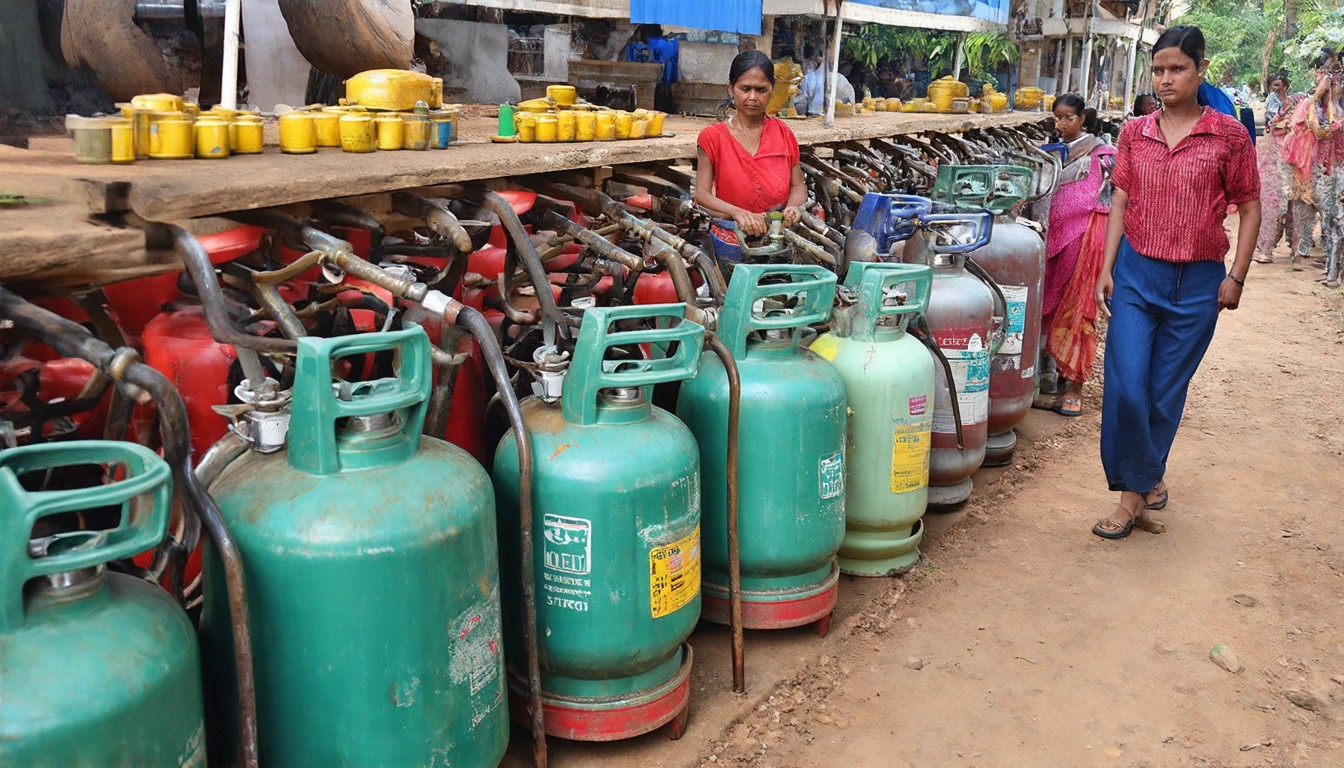
Sri Lanka has recently announced a significant increase in cooking gas prices, raising them by 23%. This move comes after an earlier hike of eight percent in March, marking the second consecutive increase in a short period. The decision has been met with concern among the country's population, particularly those who rely heavily on cooking gas for their daily needs.
The government's decision to raise cooking gas prices is primarily driven by the need to address the country's economic challenges. Sri Lanka has been grappling with severe inflation, a depreciating currency, and a shortage of essential fuels. The government argues that the price adjustments are necessary to stabilize the economy and ensure the availability of cooking gas on the market.
The 23% increase in cooking gas prices is a substantial jump for many Sri Lankans. For households that depend on LPG (liquefied petroleum gas) for cooking and heating, this hike could significantly impact their daily budgets. In a country where the cost of living has already risen sharply, the additional burden on consumers is a cause for worry.
The previous eight percent hike in March was also met with mixed reactions. At the time, the government justified the increase as a step towards balancing the supply and demand of cooking gas. However, critics argued that the price rise would disproportionately affect low-income families and vulnerable populations.
The latest price increase has been implemented amidst a backdrop of economic instability. Sri Lanka's foreign exchange reserves have dwindled, leading to a weakened currency and making imports more expensive. This has resulted in a shortage of essential fuels, including cooking gas, which has further pressured the government to take action.
In response to the price hike, some consumers have turned to alternative sources of fuel, such as firewood or charcoal, to cope with the increased costs. However, these alternatives are not always readily available, particularly in urban areas, and can pose environmental and health risks.
The government has pledged to work on mitigating the impact of the price increase. Officials have stated that they are exploring ways to ensure the availability of cooking gas and to support vulnerable households. However, the effectiveness of these measures remains to be seen, and many Sri Lankans are still concerned about the future of their financial stability.
The decision to raise cooking gas prices highlights the ongoing challenges faced by Sri Lanka's economy. With inflation continuing to rise and the global cost of fuels fluctuating, the government faces a delicate balance between maintaining economic stability and supporting its citizens. As the country navigates these complexities, the impact of the price hike on everyday lives will likely be a focal point of public and political discourse.
In conclusion, Sri Lanka's recent 23% increase in cooking gas prices marks a significant development in the country's economic landscape. This move, combined with the earlier eight percent hike in March, underscores the government's efforts to address economic challenges. However, the increased costs are likely to have a profound effect on the daily lives of many Sri Lankans, particularly those in vulnerable economic situations. As the country continues to grapple with inflation and a depreciating currency, the implications of these price changes will be closely watched by both domestic and international observers.








