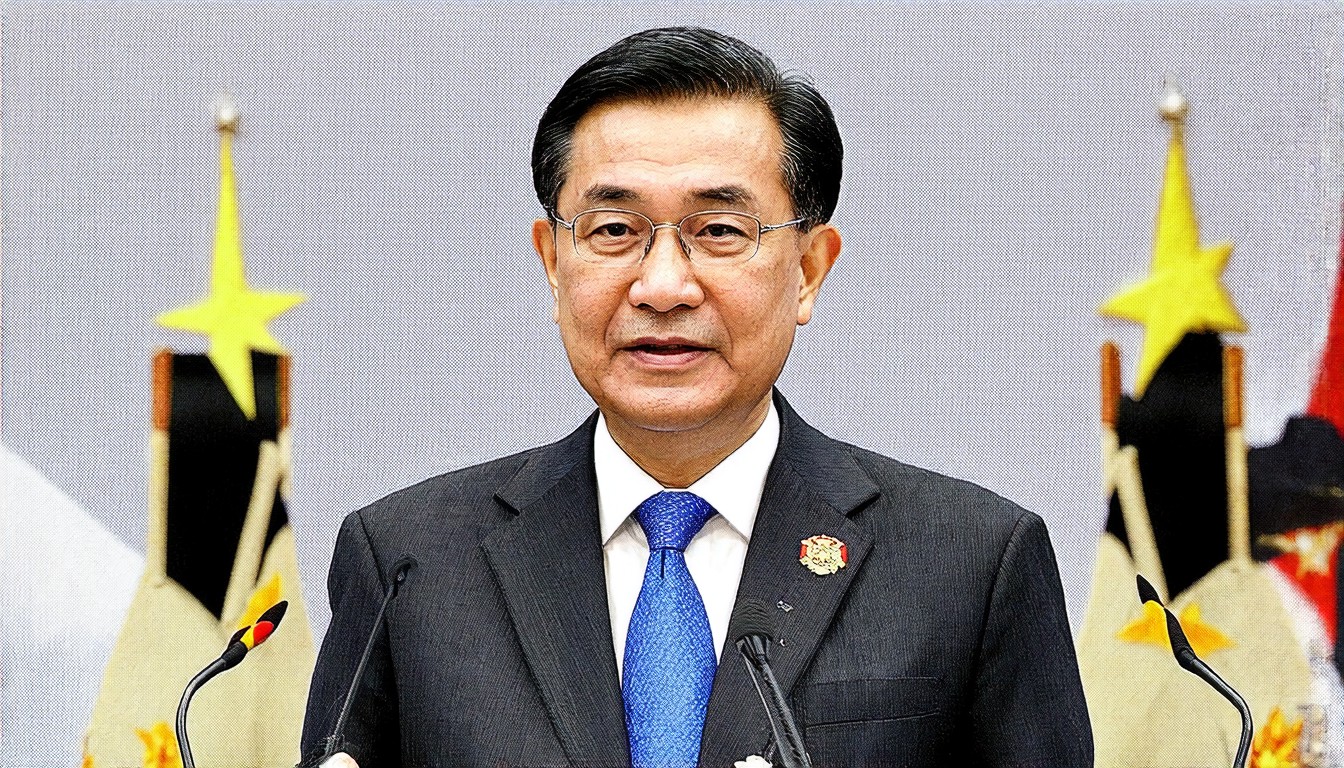
Special Parliament sitting to push women’s Lok Sabha reservation: PM Narendra Modi
PM Narendra Modi assured southern states that their representation will not be reduced and added that the total number of Lok Sabha seats will increase.
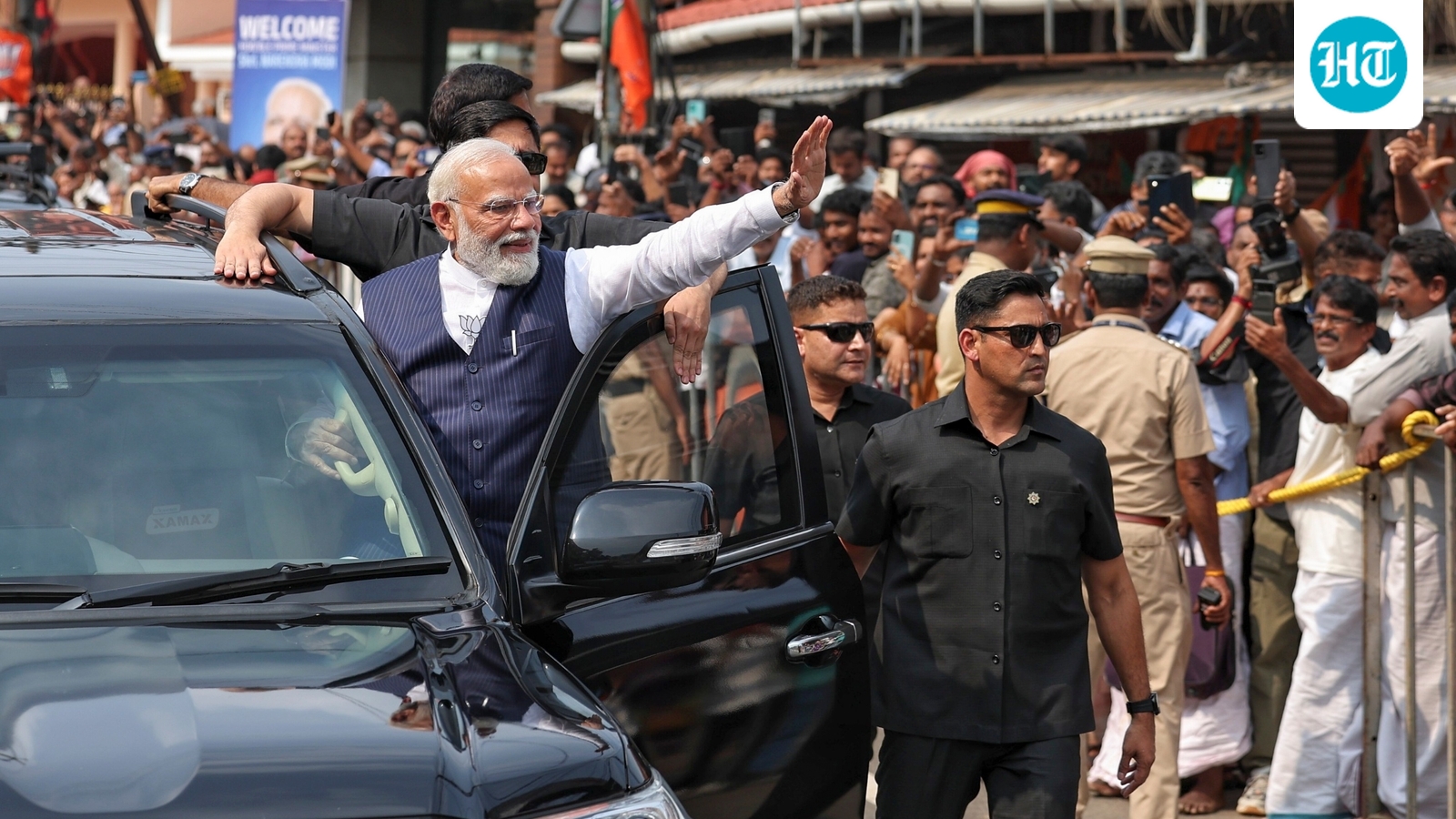
On the heels of a contentious debate over the expansion of women's reservation in the Lok Sabha, Prime Minister Narendra Modi has announced a special parliamentary session to address the issue. The decision comes as a response to the ongoing political tensions and demands from various stakeholders, including women's groups and political parties, for a more equitable representation of women in the lower house of India's parliament.
The announcement was made during a meeting of the Bharatiya Janata Party (BJP) leadership in New Delhi, where Modi emphasized the importance of ensuring that the interests of all regions, particularly the southern states, are taken into account. He assured the leaders from these states that their representation would not be compromised in the process of increasing the number of women members in the Lok Sabha.
The Prime Minister's statement comes as a direct response to concerns raised by political leaders and activists from the southern states, who have been vocal about the potential impact of reservation on their representation. They have argued that an increase in the number of women members could lead to a reduction in the number of seats allocated to their states, given the existing reservation policies.
To address these apprehensions, Modi emphasized that the total number of Lok Sabha seats would be increased. This move is expected to dilute the impact of reservation on the overall representation of the southern states, as the additional seats will be distributed proportionally across all regions. The Prime Minister's office has confirmed that the exact number of new seats will be determined after conducting a detailed demographic and population-based analysis.
The decision to convene a special parliamentary session highlights the government's commitment to addressing the reservation issue in a comprehensive manner. It is also a testament to the Prime Minister's ability to navigate the complex political landscape and strike a balance between the demands of different sections of society.
Women's groups have welcomed the announcement, viewing it as a step towards achieving greater gender equality in Indian politics. They have called for a swift and transparent process to ensure that the increased reservation is implemented effectively. However, some critics have expressed concerns about the potential for political manipulation and the possibility that the additional seats could be used to further entrench existing political dynasties.
The special parliamentary session is expected to be held in the coming weeks, with the primary agenda being the amendment of the Representation of the People Act (RP Act) to increase the reservation of women in the Lok Sabha. The government has promised to engage with all political parties and civil society organizations to ensure a broad-based consensus on the issue.
In the meantime, the southern states' political leaders have been meeting with their counterparts from other regions to discuss the implications of the proposed changes. While there is a general consensus on the need for greater women's representation, the specifics of how to achieve this without compromising on the representation of any state remain a point of contention.
The announcement of the special parliamentary session has reignited the debate on reservation and gender equality in India. It is a critical moment for the country, as it presents an opportunity to redefine the political landscape and ensure that women have a meaningful and equitable role in the nation's governance.
As the discussions continue, it is clear that the reservation issue will remain a focal point of political discourse in the coming months. The government's decision to convene a special session demonstrates its commitment to addressing this important issue, while also highlighting the challenges and complexities involved in achieving a balance between the interests of different regions and the broader goals of gender equality.
In conclusion, the announcement of a special parliamentary session to push for women's Lok Sabha reservation is a significant development in India's political landscape. It reflects the government's determination to address the demands for greater gender equality while also taking into account the concerns of political leaders from the southern states. The outcome of the session will have a lasting impact on the representation of women in India's parliament and will serve as a benchmark for future efforts to promote gender equality in the country's political institutions.