Special CBI Court Discharges Hooda, AJL In Panchkula Land Allotment Case
CBI court discharges ex Haryana CM Bhupinder Singh Hooda and AJL in Panchkula plot money laundering case, ED complaint closed, case against Moti Lal Vora abated after death
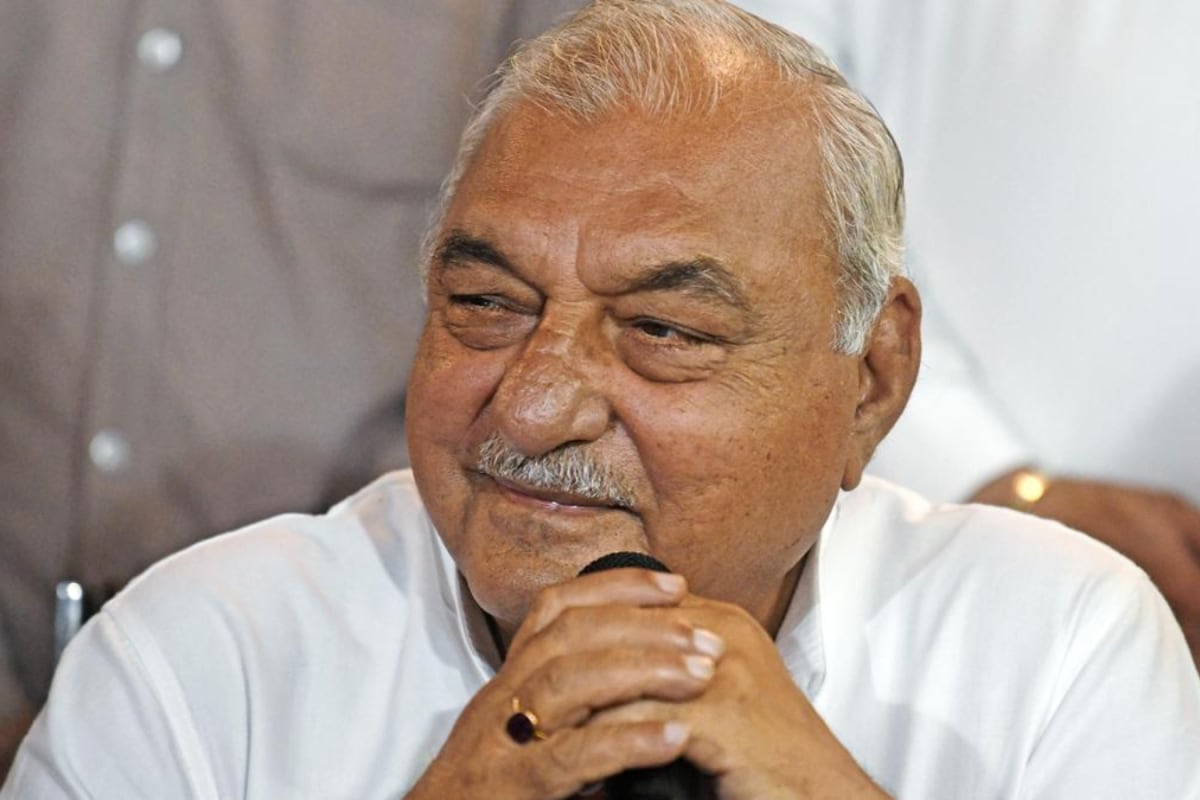
The Central Bureau of Investigation (CBI) has recently discharged former Haryana Chief Minister Bhupinder Singh Hooda and the Associated Journals Limited (AJL) from the Panchkula land allotment case, which was allegedly linked to money laundering. This development comes after the Enforcement Directorate (ED) closed its complaint against the accused, and the case against Moti Lal Vora was abated following his death.
The Panchkula land allotment case has been a contentious issue for several years, involving allegations of corruption and illegal land deals. The CBI had taken up the case to investigate the involvement of Hooda and AJL in money laundering activities. The accusations centered around the allotment of plots in Panchkula, which were allegedly obtained through corrupt means.
The discharge of Hooda and AJL by the CBI court is a significant development in the case. The court's decision to drop the charges against them suggests that there was insufficient evidence to support the allegations of money laundering. This comes after the ED, which had filed a complaint against the accused, decided to close the case. The ED's decision to withdraw the complaint further indicates that there was no substantial evidence to warrant further action against Hooda and AJL.
The case against Moti Lal Vora, another key figure in the Panchkula land allotment case, was also abated after his death. Vora was implicated in the case along with Hooda and AJL. His death led to the withdrawal of the case against him, as there was no longer a living defendant to prosecute.
The discharge of Hooda and AJL from the case has been met with mixed reactions. Supporters of the former Chief Minister and AJL have welcomed the decision, viewing it as a vindication of their innocence. They argue that the case was politically motivated and that the CBI and ED had acted under undue pressure to implicate Hooda and AJL.
On the other hand, critics of Hooda and AJL have expressed disappointment at the decision to drop the charges. They believe that the case should have been pursued further to ensure that those involved in corrupt practices were held accountable. These critics argue that the discharge of Hooda and AJL sends a negative message about the effectiveness of the legal system in combating corruption.
The Panchkula land allotment case has been a long and complex legal battle, with numerous twists and turns. The recent developments, including the discharge of Hooda and AJL, the closure of the ED complaint, and the abatement of the case against Vora, have brought the case to a close. However, the case has left a legacy of controversy and questions about the extent of corruption in Haryana's land allocation processes.
As the case against Hooda and AJL is dropped, the focus will now shift to ensuring that similar cases are investigated thoroughly and that those found guilty are held accountable. This will require a robust legal framework and a commitment from law enforcement agencies to act independently and impartially.
In conclusion, the CBI court's decision to discharge Hooda and AJL from the Panchkula land allotment case, coupled with the ED's closure of its complaint and the abatement of the case against Vora, marks the end of a prolonged legal saga. While the decision has been welcomed by supporters of the accused, critics have raised concerns about the effectiveness of the legal system in combating corruption. The case serves as a reminder of the need for transparency and accountability in land allocation processes and the importance of a fair and impartial judicial system.