
Spanish police find historical manuscript missing for a century for sale online
Spanish police recovered a 17th-century velvet guild manuscript that had been missing for a century after spotting it for sale online. The artefact will remain the property of its current owner, but it will now be conserved.
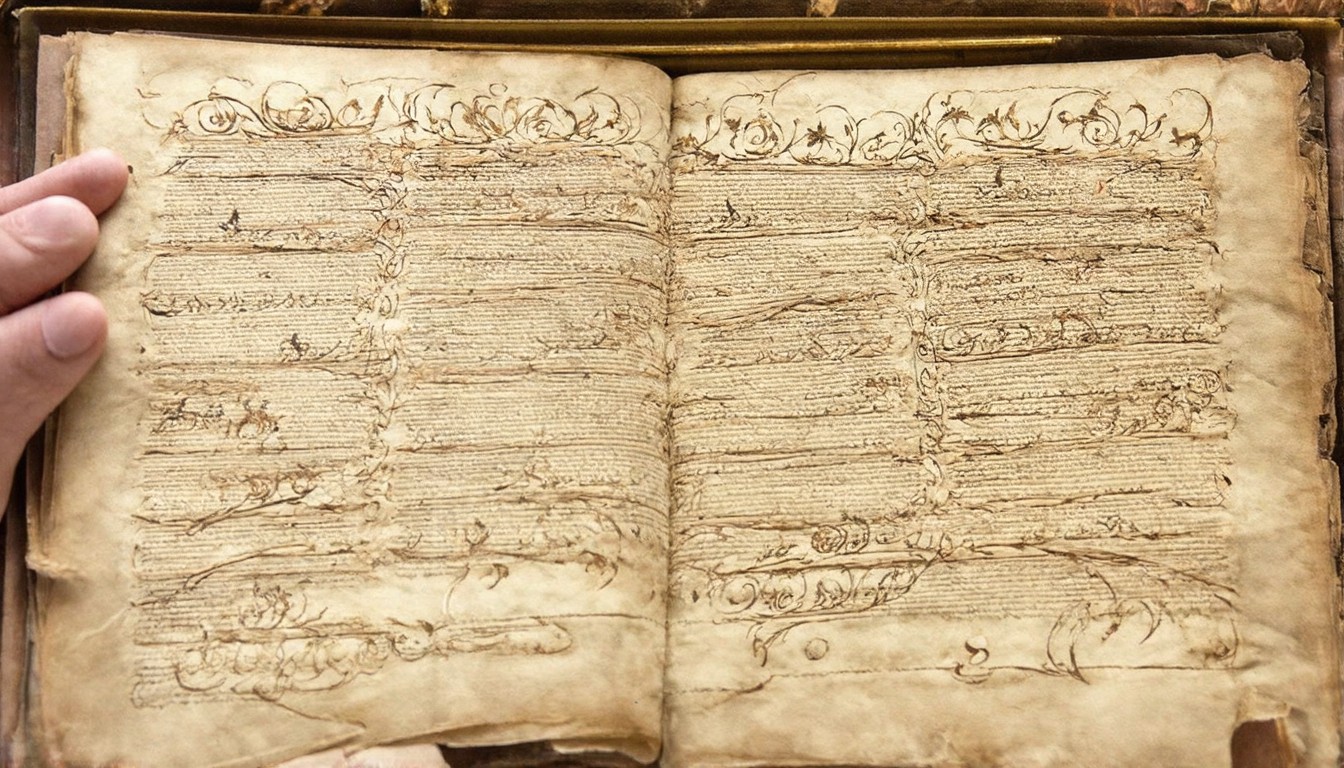
Spanish police have made a remarkable discovery, recovering a 17th-century velvet guild manuscript that had been missing for over a century. The artefact was found for sale online, prompting an immediate investigation that led to its safe return. This unexpected find highlights the growing role of digital platforms in both the illicit trade of historical items and the efforts to protect cultural heritage.
The manuscript, which dates back to the 1600s, is a rare example of its kind. Originally part of a prestigious guild, it was known to have been lost in the early 20th century, with no trace of its whereabouts found for over a century. Its sudden appearance on an online marketplace caught the attention of Spanish authorities, who were quick to act. Through a joint effort with digital investigators, the police were able to trace the artefact and secure it before it could be sold illegally.
The recovery of this historical manuscript is significant not only for its cultural value but also for the lessons it offers about the modern challenges faced by cultural institutions. The fact that such a valuable artefact could be sold online underscores the need for enhanced vigilance and collaboration between law enforcement agencies and digital platforms. The ability to monitor and intervene in online markets is crucial in combating the illegal trade of historical and cultural items.
Despite the successful recovery, the manuscript's future remains uncertain. While it will be conserved to preserve its historical integrity, it will remain the property of its current owner. This outcome raises questions about the legal framework surrounding the restitution of culturally significant items. In many cases, the ownership of such artefacts is complex, with disputes arising over their origins and rightful owners. The case of the recovered manuscript serves as a reminder of the need for clear policies and international cooperation to address these issues effectively.
The Spanish police's swift action in recovering the manuscript also highlights the importance of public awareness in combating the illicit trade of cultural heritage. By raising awareness about the potential risks associated with purchasing historical items online, individuals can play a crucial role in preventing the loss of valuable artefacts. This case serves as a cautionary tale, emphasizing the need for vigilance and education in the digital age.
In conclusion, the recovery of the 17th-century velvet guild manuscript by Spanish police is a testament to the effectiveness of digital collaboration in protecting cultural heritage. While the artefact's future ownership remains unresolved, its safe return to the public eye is a significant achievement. This case underscores the ongoing challenges and opportunities in preserving our shared history in an increasingly interconnected world. As digital platforms continue to evolve, so too must the strategies and policies designed to safeguard our cultural heritage for future generations.








