
South Korea Orders 5-Minute Reconciliation for Crypto Exchanges After $56B Bithumb Error
South Korea's Financial Services Commission has ordered all cryptocurrency exchanges to implement near real-time asset reconciliation and submit to monthly external audits. Singapore Summit: Meet the largest APAC brokers you know (and those you still don't!) . The directive follows a February operational failure at Bithumb that briefly sent $56 billion worth of bitcoin to hundreds of retail users. The Bithumb Incident On February 6, 2026, Bithumb mistakenly credited approximately 620,000 BTC (worth around $56 billion at the time) to hundreds of users during a promotional event. The intended payment was 620,000 Korean won, roughly $450. Some recipients sold the bitcoin immediately, causing a localized price drop of 10–17% on the exchange. Bithumb froze affected accounts and recovered most of the funds, but the FSC concluded the episode exposed "structural vulnerabilities" in the industry's internal controls. The New Requirements The FSC has set an end-of-May deadline for all Korean exchanges to comply with a new operational framework. The key requirements: Reconciliation every five minutes: exchanges must verify client ledgers against on-chain holdings at five-minute intervals, compared to the 24-hour cycle most currently use. Daily public disclosure of reconciliation results. Monthly independent audits by an external accounting firm. Upgraded trade-halting systems capable of acting immediately on a large asset mismatch. What This Means for the Industry The rules represent one of the first times a major regulator has applied high-frequency internal audit requirements — the kind typically associated with stock exchanges and clearing houses — directly to crypto platforms . The
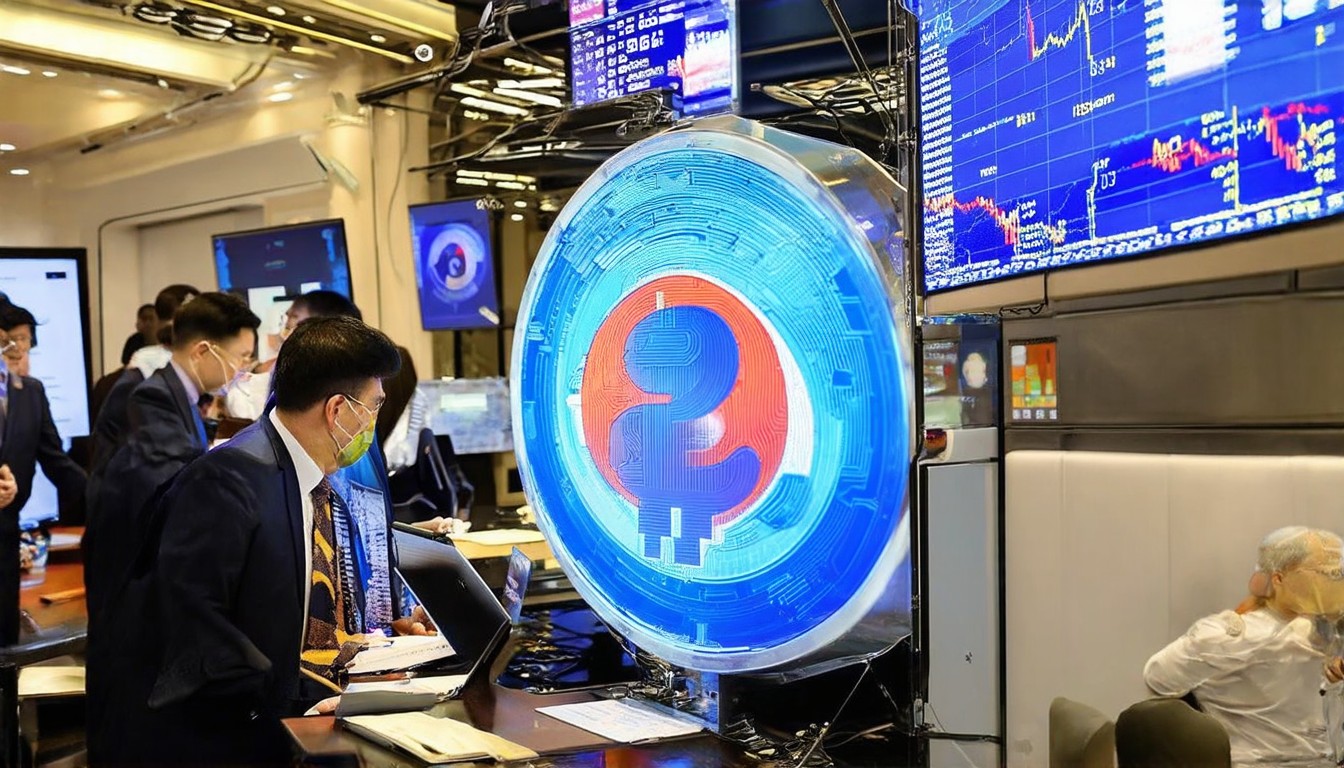
South Korea's Financial Services Commission (FSC) has imposed a 5-minute reconciliation requirement on all cryptocurrency exchanges in the country, following a catastrophic operational error at Bithumb that resulted in the transfer of $56 billion worth of bitcoin to hundreds of retail users. The directive, which also mandates monthly external audits, is a direct response to the Bithumb incident that exposed significant structural vulnerabilities in the industry's internal controls.
On February 6, 2026, Bithumb, one of the largest cryptocurrency exchanges in South Korea, mistakenly credited approximately 620,000 BTC (worth around $56 billion at the time) to hundreds of users during a promotional event. The intended payment was 620,000 Korean won, roughly $450. The error, which occurred during a high-volume promotional period, led to widespread panic and confusion among users. Some recipients of the erroneous transfers quickly sold their bitcoin, causing a localized price drop of 10–17% on the exchange.
Bithumb swiftly froze affected accounts and initiated a recovery process to reclaim the funds. While the exchange managed to recover most of the misplaced bitcoin, the incident underscored the need for stricter regulatory oversight in the cryptocurrency industry. In its report on the incident, the FSC highlighted the exposure of "structural vulnerabilities" in the industry's internal controls, particularly in areas related to operational risk management.
In response to the Bithumb incident, the FSC has issued a new operational framework for all cryptocurrency exchanges in South Korea, with a deadline for compliance set for the end of May. The key requirements of the framework include:
1. **Reconciliation every five minutes**: Exchanges must verify client ledgers against on-chain holdings at five-minute intervals, compared to the 24-hour cycle that most exchanges currently use. This increased frequency aims to detect and rectify discrepancies more quickly, reducing the risk of large-scale errors.
2. **Daily public disclosure of reconciliation results**: Exchanges are required to make their reconciliation results publicly available on a daily basis. This transparency measure is intended to build trust among users and regulators, as it allows for real-time monitoring of the exchanges' operations.
3. **Monthly independent audits by an external accounting firm**: Exchanges must undergo regular, independent audits to ensure compliance with regulatory requirements and to identify any potential weaknesses in their internal controls.
4. **Upgraded trade-halting systems**: Exchanges must implement trade-halting systems capable of acting immediately on a large asset mismatch. These systems are designed to prevent further losses in the event of a significant error, by temporarily suspending trading until the issue is resolved.
The introduction of these high-frequency internal audit requirements marks one of the first times a major regulator has applied such stringent operational risk management measures directly to crypto platforms. Previously, the industry has focused more on cybersecurity, treating operational risk as a secondary concern. The new requirements are expected to be codified under South Korea's forthcoming Digital Asset Basic Act, which aims to provide a comprehensive regulatory framework for the cryptocurrency industry in the country.
The implications of these new regulations extend beyond South Korea. Regulators in other jurisdictions are likely to closely monitor the implementation and effectiveness of these measures. If the FSC's approach proves successful in mitigating operational risks, it could serve as a model for other regions looking to enhance the safety and stability of their cryptocurrency markets.
In the aftermath of the Bithumb incident, the cryptocurrency industry faces a critical opportunity to reassess its operational practices and adopt more robust risk management strategies. The FSC's new requirements represent a significant step towards greater accountability and transparency in the industry, and they may help to restore public confidence in the long-term viability of cryptocurrency exchanges. As the industry continues to evolve, it will be crucial for regulators and exchanges alike to work together to ensure the continued growth and stability of the digital asset ecosystem.









