South Korea eases Chinese travel visas but Southeast Asia rivals, Iran war cloud outlook
Repeat short-haul visits by Chinese travellers to South Korea are expected to rise after Seoul eased multiple-entry visa rules, but analysts say the immediate impact may be limited because of growing competition from Southeast Asia and higher airfares linked to the US-Israeli war in Iran.
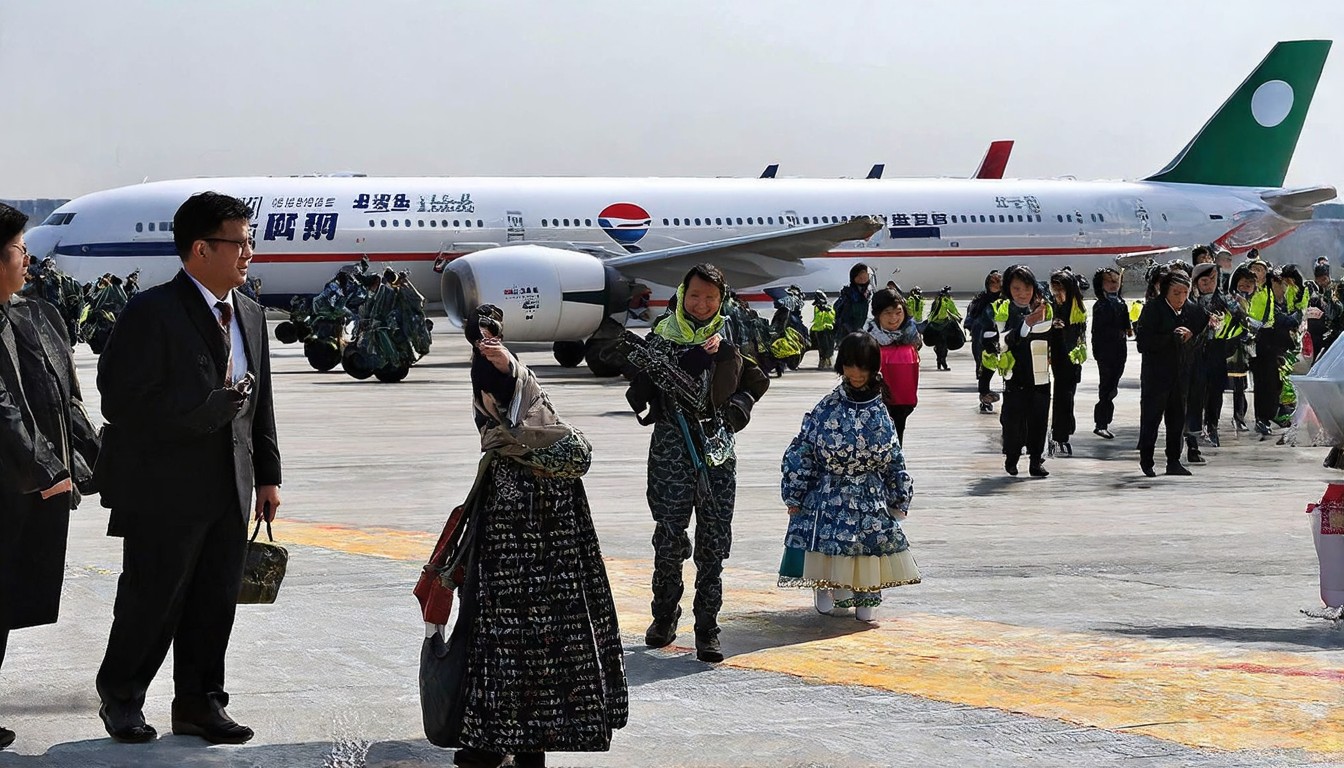
South Korea has recently eased its multiple-entry visa rules for Chinese travelers, a move that is expected to boost repeat short-haul visits from the world's largest population. However, analysts caution that the immediate impact of this policy may be limited due to several factors, including intensifying competition from Southeast Asian rivals and rising airfares linked to the ongoing tensions between the US, Israel, and Iran.
The decision to relax visa restrictions comes as South Korea seeks to strengthen its tourism industry, which has been significantly impacted by the COVID-19 pandemic. By allowing Chinese travelers to visit multiple times without the need for a visa renewal, the South Korean government aims to revive the tourism sector and stimulate economic growth. Chinese tourists have long been a major contributor to South Korea's tourism revenues, with the two countries sharing a long history of cultural and economic ties.
Despite the potential benefits of the new visa policy, analysts point out that the immediate boost in Chinese tourism may be tempered by competition from Southeast Asian destinations. Countries like Thailand, Vietnam, and Indonesia have been actively courting Chinese tourists in recent years, offering attractive packages and visa-free entry options. These Southeast Asian rivals have positioned themselves as more convenient and cost-effective alternatives for Chinese travelers, particularly those seeking short-haul trips.
Moreover, the US-Israeli war in Iran has contributed to higher airfares, which could further dampen the immediate impact of South Korea's visa easing. The ongoing conflict has disrupted global air travel, leading to increased fuel costs and operational challenges for airlines. As a result, travel expenses for Chinese tourists visiting South Korea may have risen, potentially discouraging some from choosing the Korean Peninsula as their next destination.
In addition to these challenges, South Korea's tourism industry is also grappling with the aftermath of the pandemic. Many tourists are still hesitant to travel due to concerns about health and safety, as well as the possibility of new outbreaks. While the easing of visa rules is a positive step, it may take time for the industry to fully recover and attract the level of Chinese tourists seen before the pandemic.
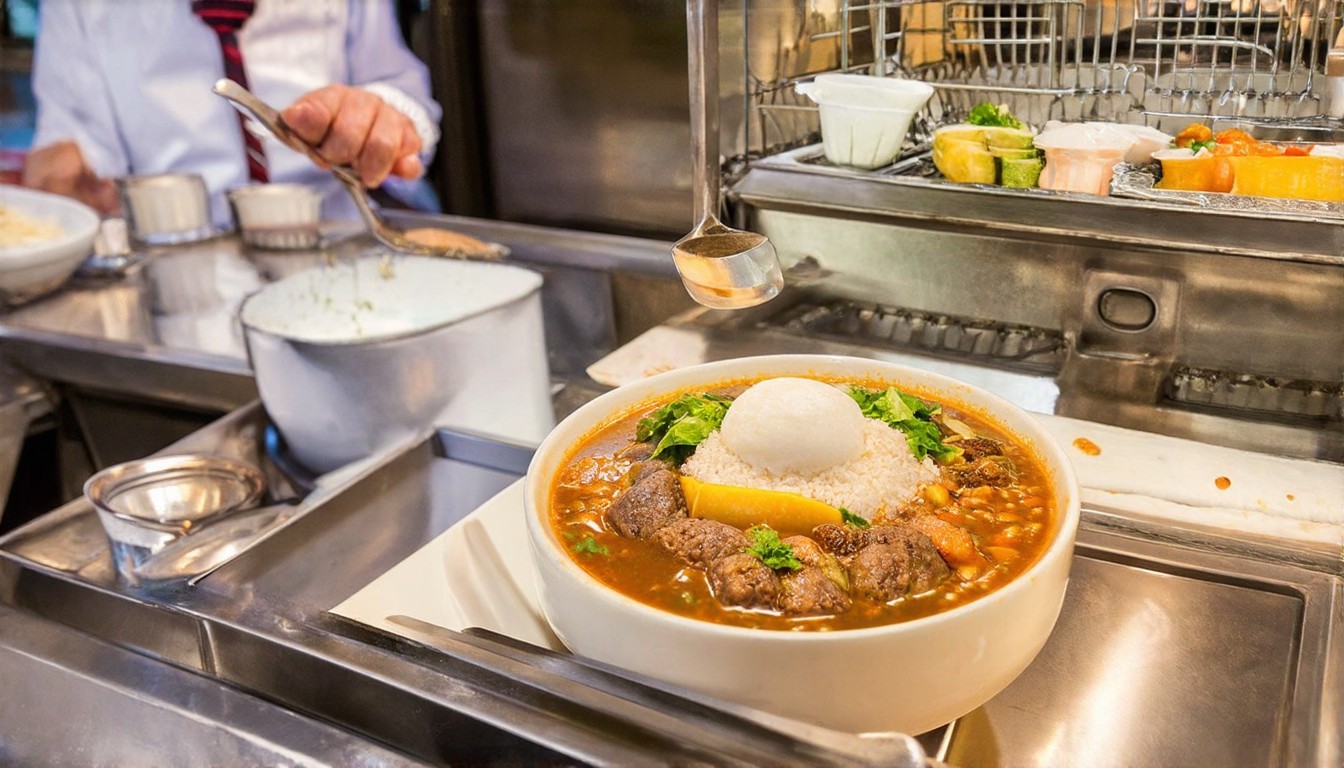
Despite these challenges, South Korea's tourism authorities remain optimistic about the potential benefits of the new visa policy. They are working closely with airlines and tour operators to promote the country as a top destination for Chinese travelers. By offering flexible visa options and highlighting the unique cultural and culinary experiences South Korea has to offer, the government hopes to differentiate itself from its Southeast Asian competitors and attract a significant share of the Chinese tourism market.
In conclusion, while South Korea's decision to ease multiple-entry visa rules for Chinese travelers is a welcome move for the tourism industry, the immediate impact may be limited by factors such as competition from Southeast Asia and higher airfares linked to the US-Israeli war in Iran. However, with strategic marketing and a focus on unique experiences, South Korea has the potential to regain its position as a preferred destination for Chinese tourists in the long term.