
Solar reactor uses old battery acid to turn plastic waste into clean hydrogen
Researchers have developed a solar-powered reactor to break down hard-to-recycle forms of plastic waste—such as drink bottles, nylon textiles and polyurethane foams—using acid recovered from old car batteries, and converting it into clean hydrogen fuel and valuable industrial chemicals. The results are reported in the journal Joule.
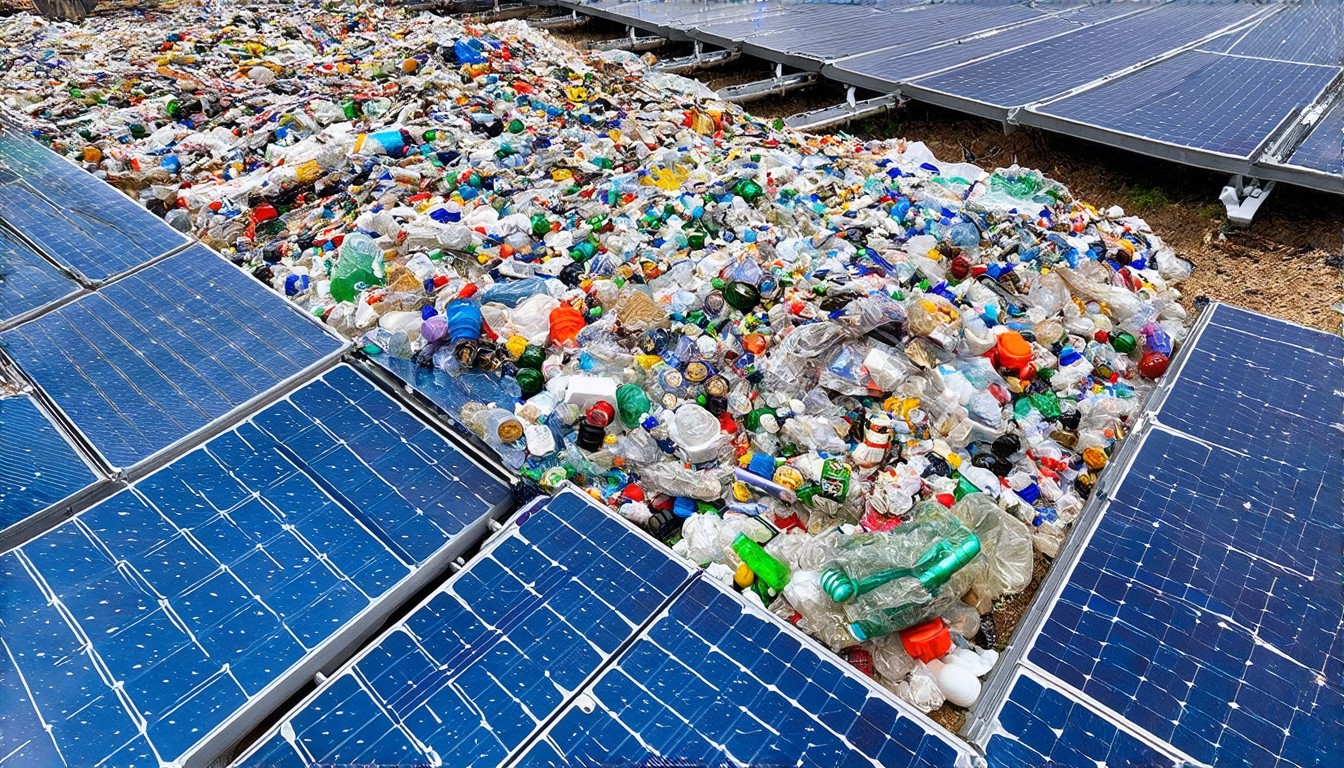
In a groundbreaking development aimed at addressing both plastic waste and clean energy needs, researchers have created a solar-powered reactor that transforms hard-to-recycle plastics into clean hydrogen fuel and valuable industrial chemicals. This innovative process utilizes acid recovered from old car batteries, offering a sustainable solution to the global challenge of plastic pollution. The findings, published in the journal Joule, highlight a promising pathway for converting plastic waste into resources that can power a greener future.
The reactor, developed by a team of scientists, leverages solar energy to drive a chemical reaction that breaks down a wide range of plastic waste, including drink bottles, nylon textiles, and polyurethane foams. These materials are notoriously difficult to recycle due to their complex chemical structures and the lack of suitable industrial processes. By employing acid sourced from discarded car batteries, the researchers have found a way to efficiently degrade these plastics, converting them into hydrogen gas and other useful chemicals.
The use of battery acid as a catalyst in this process is particularly noteworthy. Car batteries, which are often disposed of as electronic waste, contain valuable materials such as lead, lithium, and other metals. However, the acid within these batteries poses a significant environmental risk if not properly managed. By repurposing this acid, the researchers not only address the plastic waste problem but also mitigate the environmental harm associated with battery disposal.
The solar-powered reactor operates by exposing the plastic waste to the acid, which initiates a series of chemical reactions. The solar energy provides the necessary power to sustain these reactions, ensuring that the process is both energy-efficient and environmentally friendly. As the plastics break down, hydrogen gas is released, which can be collected and used as a clean fuel source. Additionally, the reaction produces industrial chemicals that can be utilized in various applications, such as the production of plastics, fertilizers, and other essential products.
This innovative technology offers a sustainable alternative to traditional methods of plastic waste management, which often involve incineration or landfilling. These conventional approaches not only contribute to greenhouse gas emissions but also generate hazardous byproducts that can contaminate soil and water. By contrast, the solar reactor converts plastic waste into valuable resources, reducing the need for virgin materials and minimizing environmental impact.
The development of this reactor also has significant implications for the global transition to clean energy. Hydrogen, produced through this process, is a promising alternative to fossil fuels, as it can be used in fuel cells to generate electricity without emitting greenhouse gases. The ability to produce hydrogen from plastic waste could help accelerate the adoption of hydrogen-based energy systems, reducing reliance on finite resources like oil and gas.
Moreover, the reactor's ability to generate industrial chemicals could stimulate economic growth by providing a new source of raw materials for various industries. This could lead to job creation and reduced dependency on imported materials, fostering a more self-sufficient and sustainable economy.
While the technology is still in its early stages, the potential benefits are substantial. The researchers are currently working on optimizing the reactor's efficiency and expanding its capabilities to handle a wider range of plastic waste. They are also exploring opportunities to scale up the process for commercial deployment, aiming to make this innovative solution widely available.
In conclusion, the solar-powered reactor that converts plastic waste into clean hydrogen and industrial chemicals represents a significant leap forward in sustainable waste management and clean energy production. By repurposing battery acid and harnessing solar energy, this groundbreaking technology offers a viable pathway to addressing the dual challenges of plastic pollution and the transition to a low-carbon economy. As the research continues to progress, the potential for this innovation to transform global waste management and energy systems becomes increasingly apparent.









