Soil Microbe Breakthrough Boosts Phosphorus Efficiency in Crops
A new study finds that combining biochar with phosphate-solubilizing Bacillus bacteria improves phosphorus availability, boosts soil microbial activity, and increases greenhouse cherry tomato yields by more than 23%. The treatment enhanced root growth, nutrient uptake, and fruit-bearing branches while reducing reliance on fertilizer inputs, offering a scalable and sustainable solution for greenhouse production and phosphorus management. The post Soil Microbe Breakthrough Boosts Phosphorus Efficiency in Crops appeared first on Seed World .
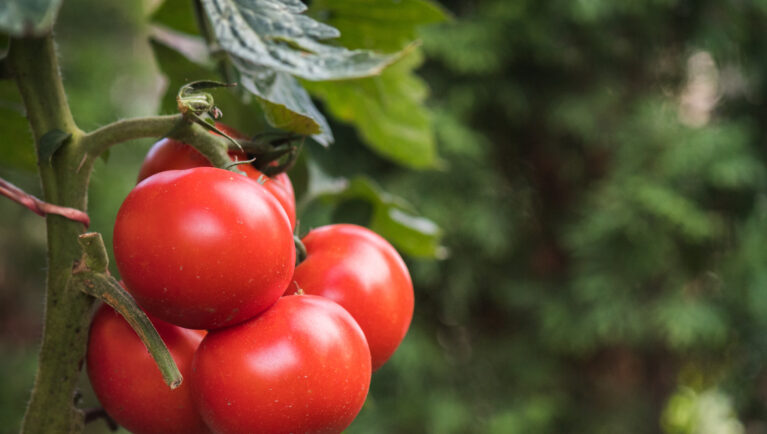
A groundbreaking study has revealed that combining biochar with phosphate-solubilizing Bacillus bacteria can significantly enhance phosphorus availability in soil, boosting microbial activity and increasing greenhouse cherry tomato yields by more than 23%. This innovative approach not only improves nutrient uptake but also reduces the reliance on chemical fertilizers, offering a sustainable and scalable solution for greenhouse production and phosphorus management.
Phosphorus is a critical nutrient for plant growth, yet much of it remains locked in the soil in forms that crops cannot easily access. This limitation can lead to reduced productivity and increased fertilizer use, which raises environmental concerns. The researchers behind this study developed a biochar-based microbial system by enriching biochar with beneficial bacteria capable of solubilizing phosphorus. When applied to greenhouse soils, this treatment demonstrated remarkable improvements in phosphorus availability, microbial activity, and plant nutrient uptake.
The biochar-Bacillus consortium increased available phosphorus in the rhizosphere by more than 170%, significantly raising microbial biomass phosphorus. Additionally, it enhanced alkaline phosphatase activity, a key enzyme that helps release phosphorus from organic compounds. These improvements in soil conditions led to clear gains in plant growth. Treated tomato plants developed larger and more robust root systems, with greater root length, surface area, and branching—traits essential for nutrient uptake and overall plant vigor.
The treatment also had a notable impact on reproduction. The biochar-Bacillus combination improved inflorescence architecture, increasing the share of productive, fruit-bearing branches. Although individual fruits were slightly smaller, the number of fruits per plant increased substantially. Overall, the study's findings indicate that this microbial approach can unlock the "hidden" phosphorus in soil, offering a more sustainable way to improve crop performance.
The corresponding author of the study highlighted the synergistic effect of pairing biochar with phosphate-solubilizing bacteria. "This approach not only improves nutrient availability but also reshapes plant growth in ways that directly increase yield," they stated. The researchers emphasized that their method could be scaled up for broader agricultural applications, providing a promising solution to the global challenge of phosphorus scarcity and fertilizer dependency.
In conclusion, the integration of biochar and beneficial soil bacteria represents a significant breakthrough in agricultural sustainability. By enhancing phosphorus availability and microbial activity, this innovative method offers a viable alternative to traditional fertilizer use, promoting healthier soils and more productive crops. As the demand for food continues to grow, such sustainable practices will play a crucial role in meeting future agricultural needs while minimizing environmental impact.