
Social media driving teens toward steroids, extreme body transformations
Behind some of the viral physiques lies a troubling trend: the use of a powerful drug never approved for humans.
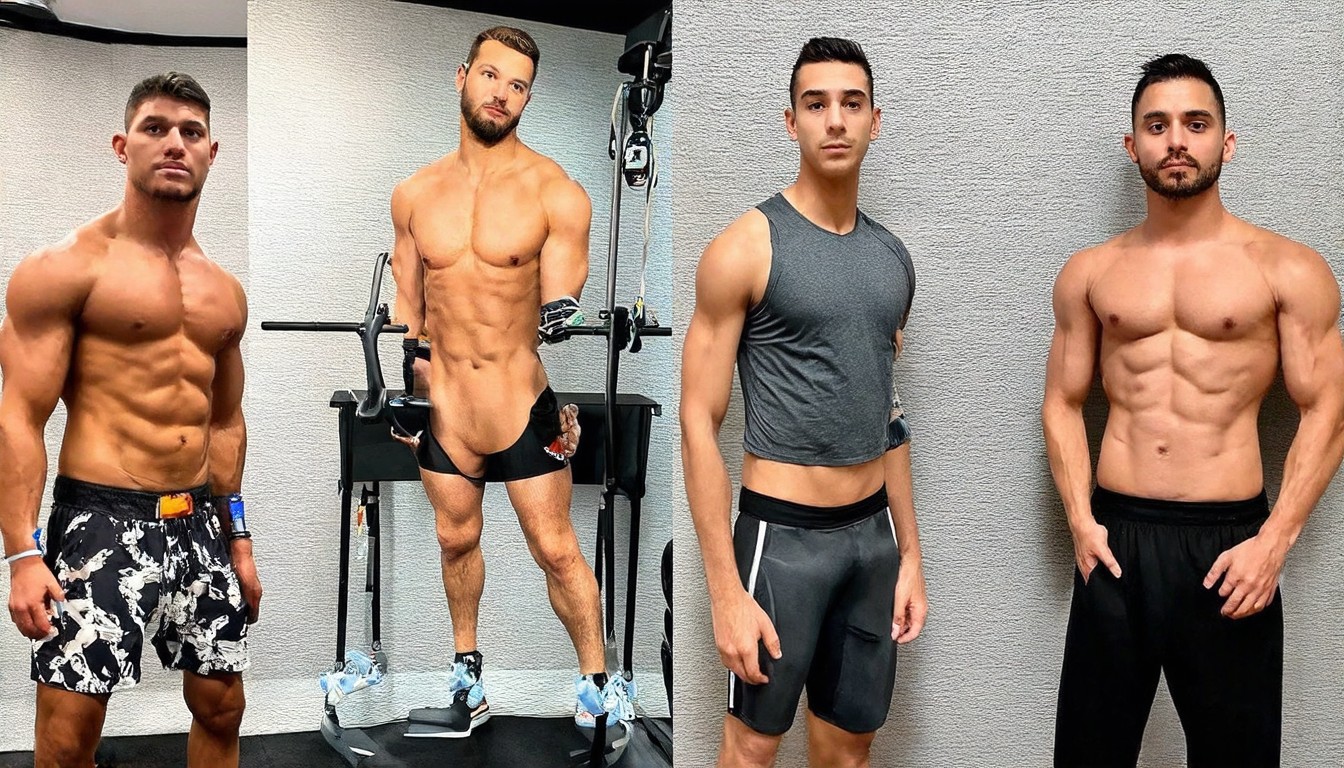
In recent years, social media has become a powerful force in shaping the way teenagers view their bodies and physical appearance. With platforms like Instagram, TikTok, and YouTube flooded with images of toned physiques, sculpted abs, and muscular transformations, the pressure to conform to these unrealistic ideals has reached new heights. However, behind some of these viral physiques lies a troubling trend: the use of a powerful drug never approved for humans.
The drug in question is known as trenbolone, a synthetic anabolic steroid that is primarily used in veterinary medicine to promote growth in livestock. Despite its lack of approval for human use, trenbolone has become a popular choice among teens seeking rapid muscle gain and extreme body transformations. These teens often turn to underground sources or dark web forums to procure the drug, driven by the desire to match the physiques they see online.
The allure of social media-driven body transformations is not limited to those seeking muscle gain. Girls and young women are also drawn to the idea of achieving a "fit" or "toned" physique, often resorting to extreme dieting, exercise, and even steroid use. This trend is further fueled by the prevalence of influencers and fitness gurus who promote quick fixes and shortcuts to achieving a desired look.
The consequences of teenagers using steroids like trenbolone are severe and far-reaching. Physically, the drug can cause acne, gynecomastia (enlarged breast tissue in males), liver damage, and heart problems. Mentally, steroid use has been linked to aggressive behavior, depression, and even suicide. Moreover, the use of such drugs can lead to addiction and long-term health issues, including infertility and hormonal imbalances.
Parents and educators are often unaware of this growing problem, as teens may hide their steroid use or downplay its impact. Social media platforms, meanwhile, have been criticized for not doing enough to curb the promotion of unhealthy body image and the glorification of steroid use. While some platforms have begun to implement content policies and warnings, the extent of the problem remains underreported and underaddressed.
Health professionals are calling for increased awareness and education about the dangers of steroid use among teens. Programs that focus on body positivity, healthy lifestyle choices, and the importance of seeking professional guidance for fitness goals are essential in combating this trend. Additionally, stricter regulations on the sale and distribution of anabolic steroids, both online and offline, are needed to prevent teens from accessing these dangerous substances.
In conclusion, the intersection of social media and the pursuit of extreme body transformations has created a troubling environment for teenagers. The use of unapproved drugs like trenbolone, driven by the desire to match the physiques seen online, poses significant health risks and can have lasting consequences. It is crucial for parents, educators, and policymakers to take action and raise awareness about the dangers of this trend, while promoting healthier approaches to body image and fitness. Only through collective effort can we protect young people from the harmful allure of quick fixes and unrealistic ideals.








