
Social media driving teens toward steroids, extreme body transformations
Behind some of the viral physiques lies a troubling trend: the use of a powerful drug never approved for humans.
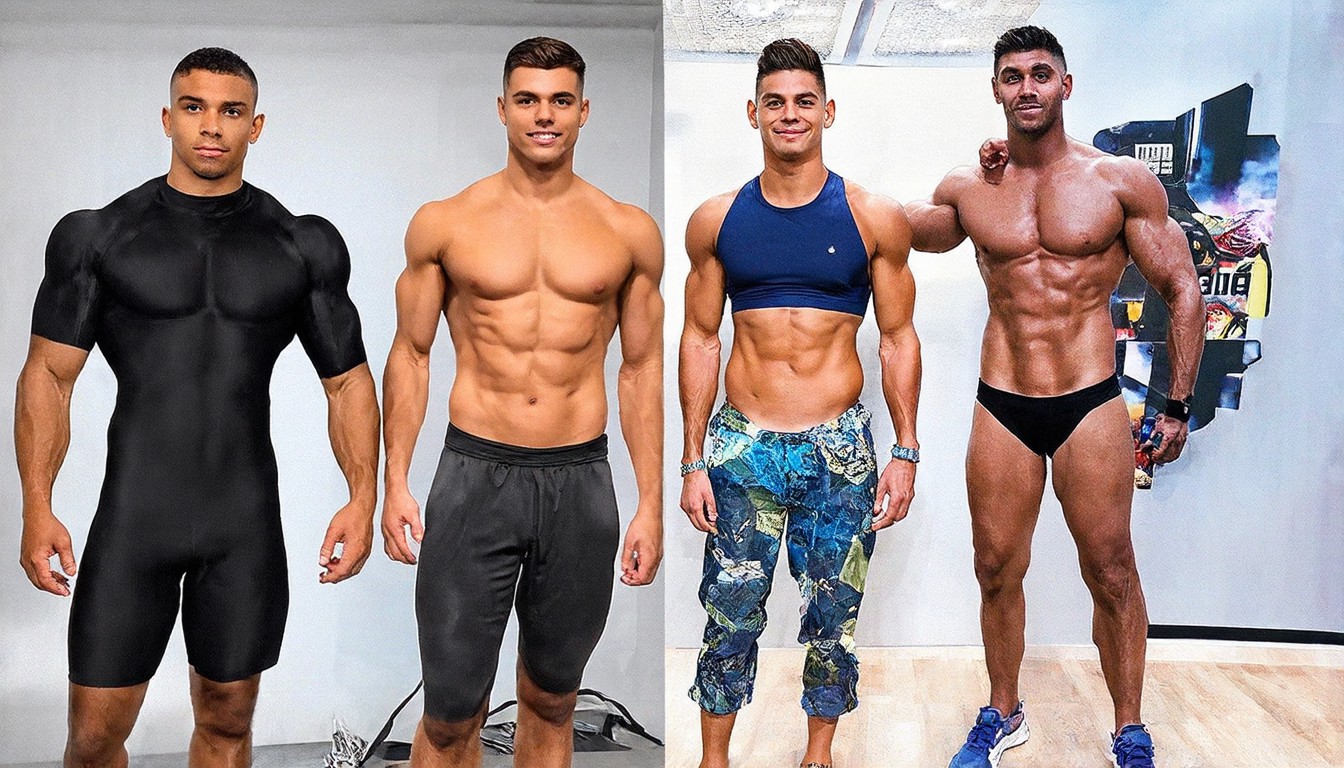
In recent years, social media has become a powerful force in shaping the way teenagers view their bodies and physical appearance. While platforms like Instagram and TikTok have been praised for promoting body positivity and self-expression, a darker side has emerged. A growing number of teens are turning to steroids and extreme body transformations, often fueled by the unrealistic standards set by influencers and the desire to achieve viral status.
At the heart of this troubling trend is a powerful drug never approved for human use: trenbolone. This synthetic anabolic steroid, originally developed for livestock to increase muscle mass and fat loss, has become a popular choice among teens seeking rapid muscle growth and physique transformation. Trenbolone is notorious for its potency and severe side effects, including liver damage, heart problems, and hormonal imbalances. Despite these risks, its availability on the black market and its popularity among fitness enthusiasts have made it a sought-after substance among young people.
The allure of social media has played a significant role in this trend. Teens are bombarded with images of muscular bodies and extreme transformations, often showcased by influencers who claim to have achieved their looks through steroid use. These posts often lack warnings about the dangers of such practices, leaving impressionable teens to emulate these behaviors without understanding the potential consequences.
Moreover, the anonymity of online communities has made it easier for teens to access steroids. Sites like Reddit and Discord have become hubs for discussions about anabolic steroids, with users sharing tips on dosage and sources. Many teens turn to these platforms for guidance, inadvertently putting themselves at risk.
The impact of this trend is not limited to physical health. Mental health concerns, such as body dysmorphia and anxiety, are on the rise among teens who feel pressure to conform to unrealistic body standards. The pursuit of steroids and extreme transformations can lead to a vicious cycle of dependency and self-destruction, as teens struggle to meet the expectations set by social media.
Health professionals are warning of the dangers of this trend. Dr. Emily Carter, a pediatrician specializing in adolescent health, states, "Teens are reaching for shortcuts to achieve a certain look, but they're not considering the long-term consequences. Steroids can cause irreversible damage, and the mental health toll is just as severe."
Efforts to combat this trend are underway. Some social media platforms have begun implementing stricter content policies, banning posts that promote steroid use or extreme body transformations. Educators and parents are also stepping up, raising awareness about the dangers of these practices and encouraging open conversations about body image and self-esteem.
However, the challenge remains significant. The allure of social media and the desire for instant gratification are powerful forces, and it will take a concerted effort from all stakeholders to address this issue. By promoting healthier body image standards and providing accurate information about the risks associated with steroid use, we can help protect the next generation from the dangers of this troubling trend.
In conclusion, the intersection of social media and steroid use among teens is a complex issue with far-reaching consequences. While platforms and educators work to mitigate the risks, it is crucial for parents, caregivers, and the broader community to remain vigilant and proactive in addressing this growing problem. The health and well-being of our youth demand our attention and action.








