Snow in hills, rain in plains as western disturbance sweeps north India
A western disturbance has blanketed the higher reaches of Himachal Pradesh and Jammu and Kashmir with snow, while bringing rain to the plains, including Delhi.
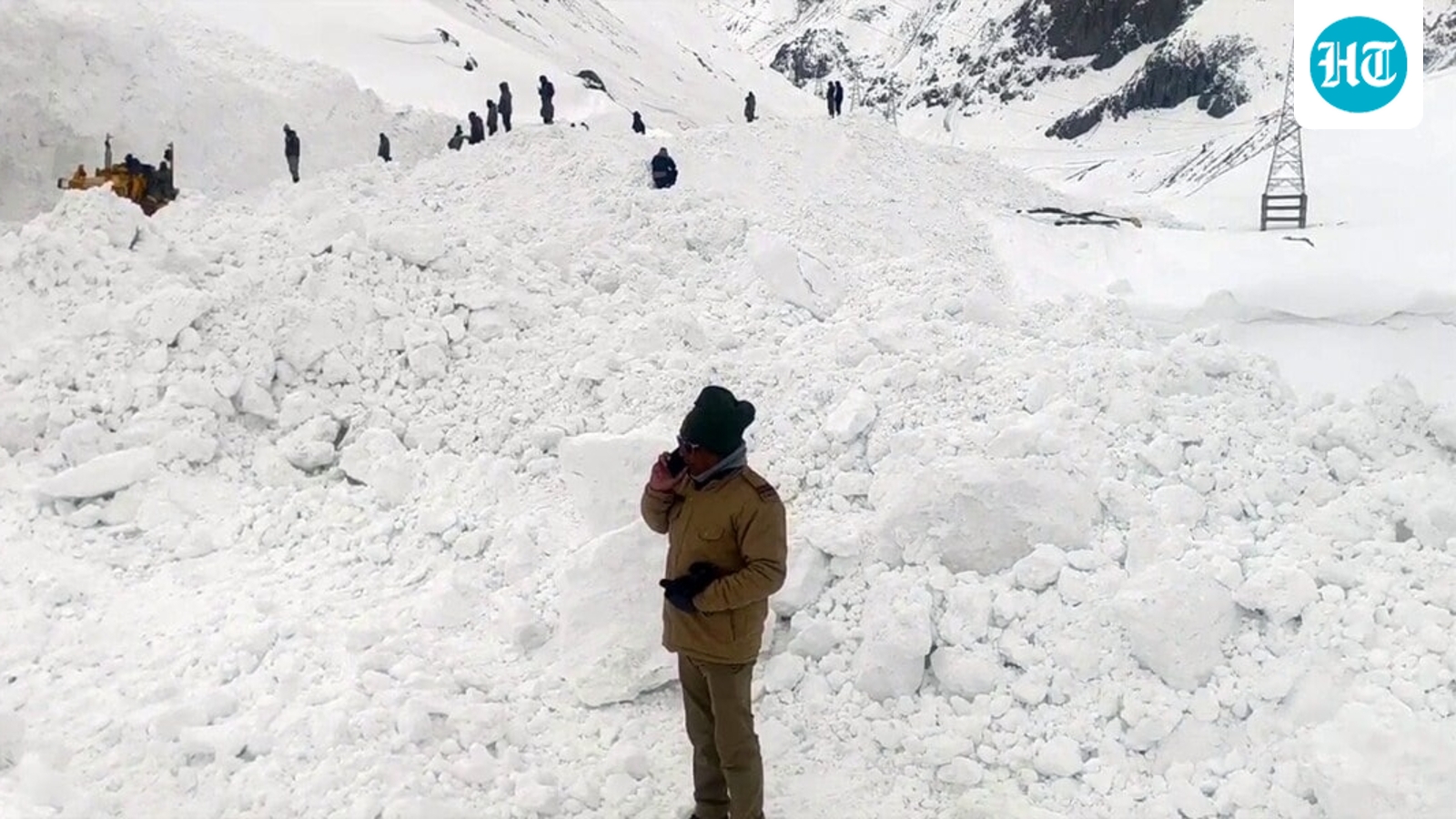
A western disturbance has swept across north India, bringing a stark contrast in weather conditions between the hilly regions and the plains. While the higher altitudes of Himachal Pradesh and Jammu and Kashmir have been blanketed with snow, the plains, including the bustling capital city of Delhi, have experienced heavy rainfall. This meteorological event, known as a western disturbance, is a seasonal occurrence in the region, typically affecting the northern parts of the country during the winter months.
The western disturbance originates from the Arabian Sea, where warm, moist air rises and interacts with cooler air masses from the north. This interaction causes the air to rise and cool, leading to the formation of clouds and precipitation. As the disturbance moves northwards, it encounters the Himalayan range, which acts as a natural barrier, forcing the air to ascend and cool further. This results in the deposition of snow at higher elevations, while the lower-lying plains receive rainfall.
In the past few days, the higher reaches of Himachal Pradesh and Jammu and Kashmir have witnessed significant snowfall, with some areas reporting up to 30 centimeters of snow. This has transformed the landscape, covering lush green hills with a pristine white blanket. The snowfall has had a mixed impact on the region's inhabitants. While it has brought a picturesque winter scene, it has also disrupted transportation and communication networks, particularly in remote areas. Roads have been closed, and several flights have been delayed or canceled due to the adverse weather conditions.
The snowfall in the hilly regions has also led to an increase in the risk of avalanches, particularly in the higher altitudes. Mountain rescue teams have been on high alert, ready to respond to any emergencies. The snowfall has also contributed to the swelling of rivers and streams, increasing the likelihood of flash floods in the lower reaches of the valleys. Authorities have warned residents in these areas to remain vigilant and follow evacuation instructions if necessary.
In contrast to the snow-covered hills, the plains of north India have experienced heavy rainfall, with Delhi receiving over 100 millimeters of rain in a short span. The rain has brought relief to the parched soil of the region, which has been struggling with drought conditions for several months. However, the heavy rainfall has also led to localized flooding and landslides, particularly in the hilly areas of the plains.
The rain has disrupted daily life in the plains, with many roads and streets submerged under water. Public transportation has been affected, with buses and trains operating on reduced schedules. The heavy rainfall has also led to power outages in some areas, leaving thousands of residents without electricity. The Indian Meteorological Department (IMD) has issued warnings about the possibility of further rainfall in the coming days, advising residents to stay indoors and avoid unnecessary travel.
The contrasting weather conditions between the hills and the plains highlight the complex nature of India's climate, which is shaped by its diverse topography. The western disturbance serves as a reminder of the country's vulnerability to extreme weather events, which can have significant impacts on the lives of millions of people. As the disturbance continues to move northwards, it will be closely monitored by meteorologists and authorities, who are working to mitigate the effects on the affected regions.
In the aftermath of the western disturbance, the Indian government and various non-governmental organizations are gearing up to provide aid and support to those affected by the harsh weather conditions. Efforts are underway to restore transportation and communication networks, as well as to distribute relief supplies to those in need. The experience serves as a stark reminder of the importance of preparedness and resilience in the face of such meteorological challenges.
As the snow-capped hills and rain-soaked plains of north India recover from the western disturbance, the region braces itself for the possibility of further weather-related disruptions. The contrasting weather conditions have underscored the need for continued vigilance and proactive measures to ensure the safety and well-being of the millions of people living in this climatically diverse part of the country.