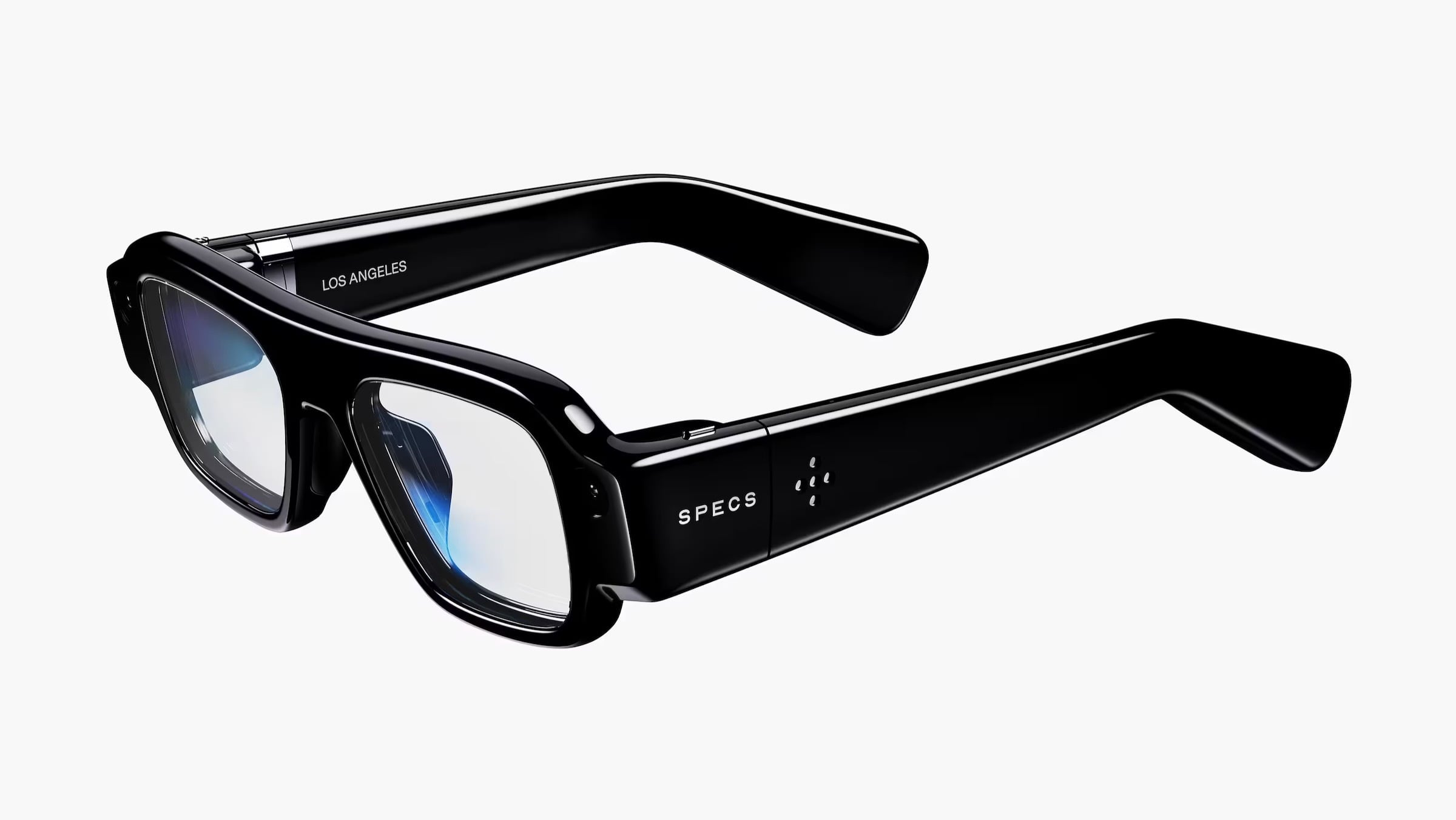
Snap AR Spectacles launch price $2,195
Snap announces its latest augmented reality Spectacles, described as a 'wearable computer,' will launch later this year at a price of $2,195, targeting developers and early adopters.

Snap has announced that its latest augmented reality Spectacles, which the company describes as a 'wearable computer,' will go on sale later this year at a price of $2,195. The move marks a significant step in Snap’s long-running effort to build a viable AR hardware business, though the high price tag suggests the device is aimed primarily at developers and early adopters rather than the general public. The new Spectacles are notably slimmer than previous versions, addressing one of the key criticisms of earlier AR headsets: bulkiness.
Snap has not released full technical specifications, but the company has positioned the device as a standalone wearable that can overlay digital information onto the real world without requiring a connection to a smartphone or computer. This launch comes as the broader AR and mixed-reality market heats up. Apple’s Vision Pro, which debuted earlier this year at a significantly higher price point of $3,499, has set a new benchmark for spatial computing.
Meta has also invested heavily in its Quest line and Ray-Ban Stories smart glasses. Snap’s $2,195 price tag places its Spectacles in a competitive middle ground, though still far above what most consumers would pay for a wearable. Snap’s strategy with the Spectacles has historically been cautious. The company first introduced the product as a camera-equipped sunglasses in 2016, then pivoted to AR with later versions. The previous generation, released in 2021, was not sold to the public but distributed to select creators and developers.
The decision to sell the new model directly, even at a high price, signals growing confidence in the technology and its potential use cases. The company describes the device as a 'wearable computer,' a term that aligns it more closely with spatial computing platforms like the Vision Pro than with simple smart glasses. This suggests Snap envisions the Spectacles as a platform for immersive applications, from navigation and gaming to remote collaboration and social experiences.
Snap has not yet announced a specific release date beyond 'later this year,' nor has it detailed which markets will get the device first. The company is likely to face challenges in scaling production and ensuring developer interest, given the niche audience for a $2,195 AR headset. However, Snap’s existing developer ecosystem, built around its Lens Studio AR creation tool, could provide a foundation for content. The announcement also underscores Snap’s broader pivot toward hardware and augmented reality as a long-term growth driver, even as its core social media business faces headwinds from competition with TikTok and changes to Apple’s privacy policies.
The Spectacles represent a bet that AR can eventually become a mainstream computing platform, but the high price and limited initial availability suggest that day is still some way off. For now, the new Spectacles are likely to appeal primarily to developers, AR enthusiasts, and enterprise customers who can justify the cost for prototyping and specialized applications. Whether Snap can eventually bring the price down enough to reach a broader audience will depend on component costs, manufacturing scale, and the evolution of AR technology itself.