Snap unveils wireless Specs AR glasses at over $2,000
Snap CEO Evan Spiegel announced the new Specs AR glasses at AWE 2026. Unlike most augmented reality headsets, they are completely tetherless. The steep price tag targets professional developers rather than consumers, signaling a strategic shift toward enterprise and creator
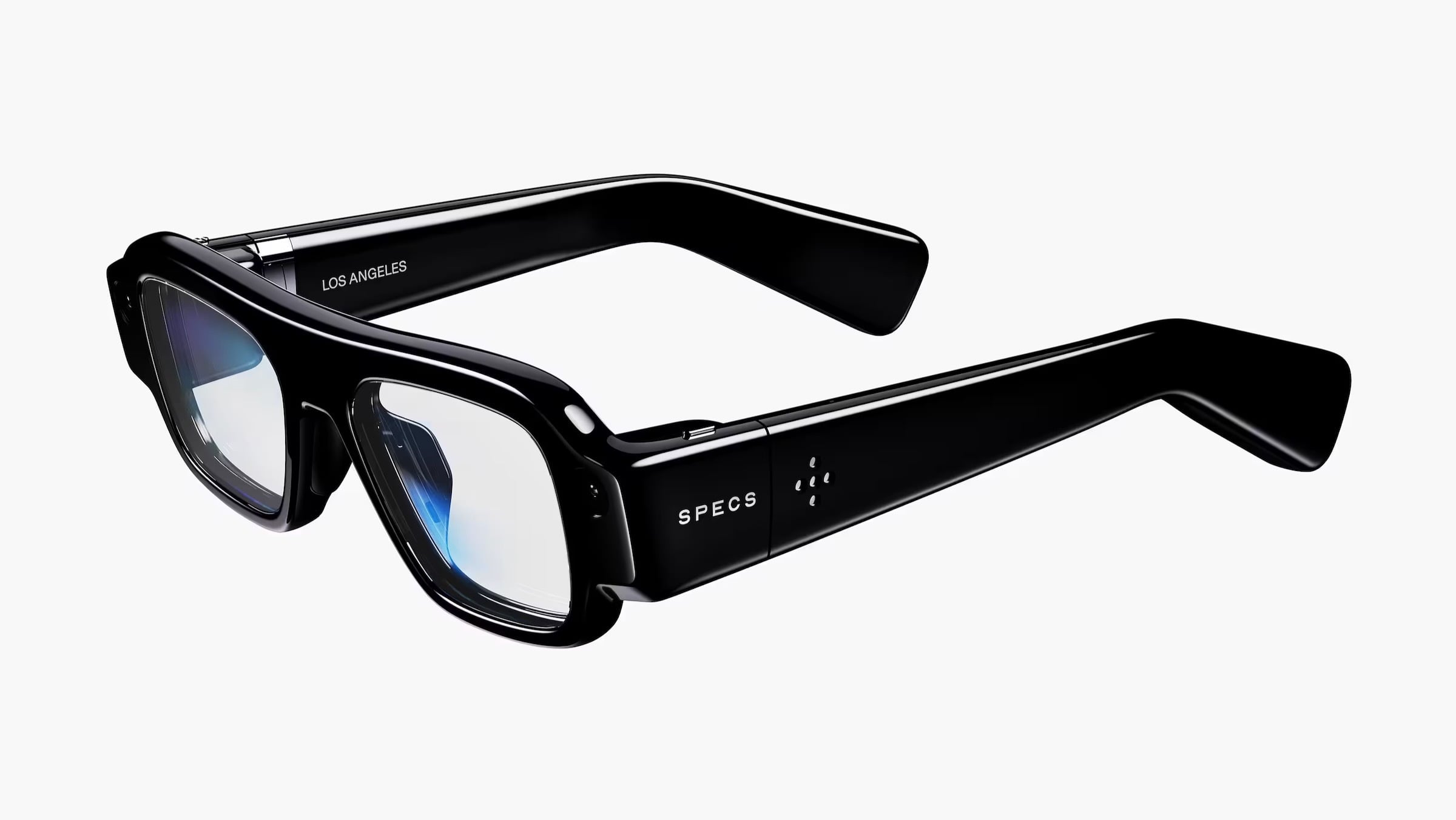
Snap CEO Evan Spiegel took the stage at the Augmented World Expo on Tuesday to unveil the company's latest augmented reality glasses, the new Specs. Unlike most AR headsets on the market, these are completely wireless — no cables, no external processing pack, no smartphone tether. For developers and early adopters who have waited years for a truly untethered AR experience, the announcement marks a genuine technical leap. But that leap comes with a price tag that is hard to ignore.
The new Specs will cost more than $2,000, placing them firmly out of reach for the average consumer. Snap is not positioning these as a mass-market accessory. Instead, the company is aiming squarely at professional developers, enterprise clients, and creators who need a standalone AR device to build applications and experiences. The fully wireless design is the headline feature. Most existing AR glasses, including earlier versions of Snap's own Spectacles, required a wired connection to a smartphone or a separate computing unit.
By eliminating that tether, Snap has solved one of the biggest friction points in augmented reality hardware. Users can move freely, gesture naturally, and interact with digital overlays without being physically linked to another device. Spiegel announced the launch during a keynote speech at AWE, the Augmented World Expo, which is the premier industry event for AR and virtual reality professionals. The choice of venue underscores the target audience: this is not a consumer electronics reveal on a Las Vegas stage, but a product announcement for the ecosystem builders who will determine whether Snap's AR bet pays off.
The $2,000-plus price point puts the new Specs in direct competition with high-end developer kits from companies like Microsoft and Magic Leap. It also signals that Snap is willing to absorb short-term losses on hardware in order to seed a software and content ecosystem. The company has taken a similar approach before with its camera-focused Spectacles, which evolved through several generations without achieving mainstream adoption. Snap's long-term strategy appears to be about controlling the AR platform from the ground up.
By offering a wireless device that developers can use to prototype and test, the company hopes to attract the same kind of creative community that built early apps for the iPhone. If successful, the Specs could become the foundation for a new generation of location-based games, workplace tools, and social filters that run entirely on the glasses themselves. Yet the price remains a significant barrier. Even among developers, a $2,000 entry point limits the potential user base.
Competing AR headsets from Meta and Apple are expected to arrive at lower price points, though most still require a wired connection to a phone or computer. Snap's wireless advantage may be enough to win over a niche audience, but it is unlikely to drive the kind of volume needed to make AR glasses a mainstream product. For now, the new Specs represent a bold technical statement from a company that has often been dismissed as a social media also-ran.
By cutting the cord and betting on a premium developer audience, Snap is trying to write a different story for its hardware division. Whether developers will pay the price to help write that story remains the open question.