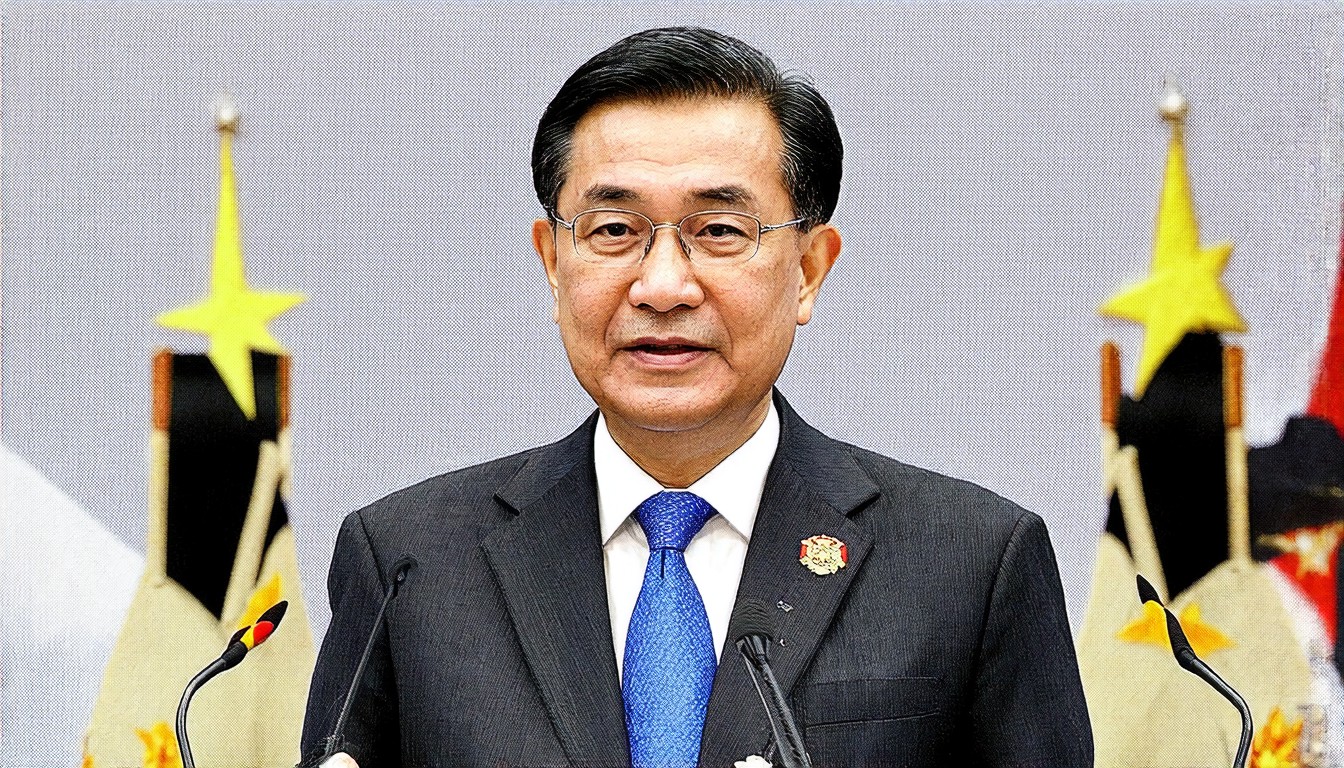
Snap polls for Malaysia in 2026 unlikely as PM Anwar bets on riding out ‘corporate mafia’ storm
The scandal involves members of Anwar Ibrahim's inner circle and top government officials.
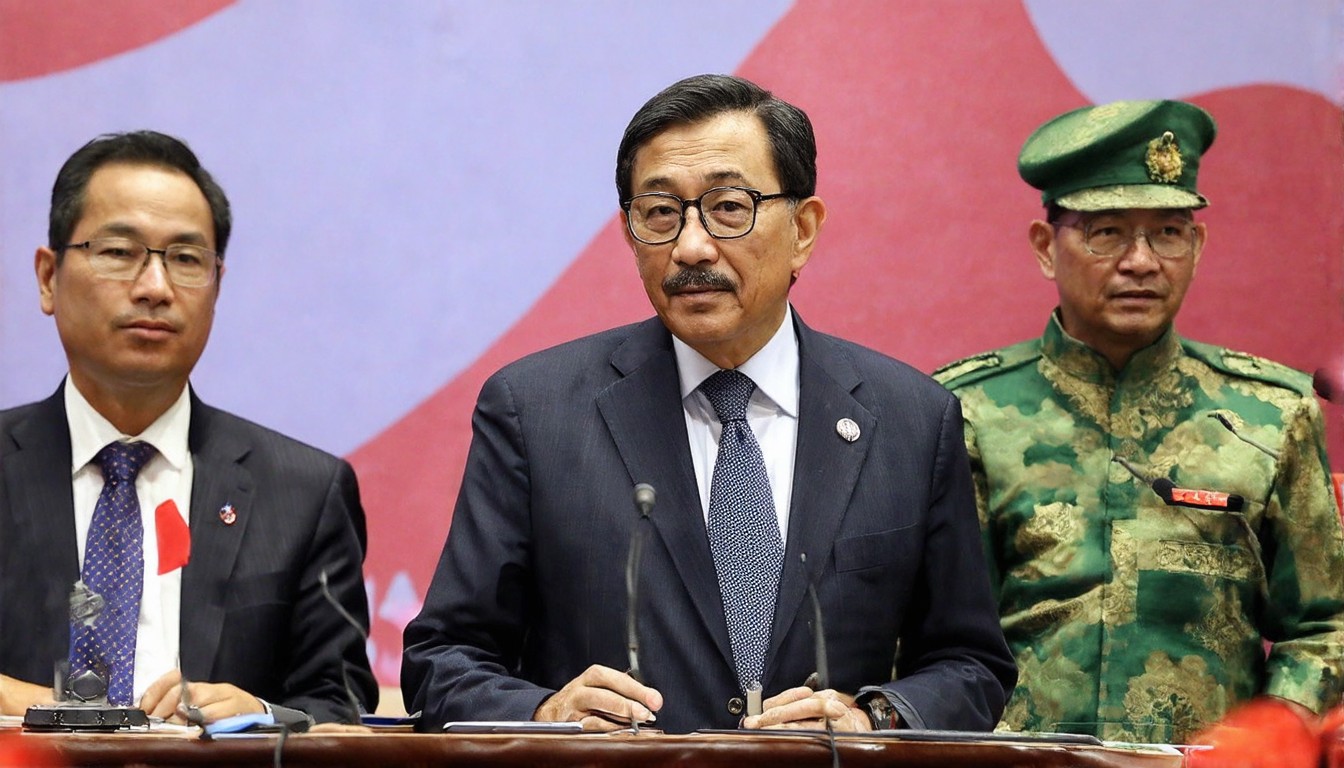
The prospect of snap elections in Malaysia in 2026 has been put on hold as Prime Minister Anwar Ibrahim prepares to weather a political storm triggered by a major scandal involving members of his inner circle and top government officials. The crisis, which has been dubbed as a "corporate mafia" scandal, has tested the stability of Anwar's administration since he took office in 2022.
The scandal first broke in early 2023 when allegations surfaced that several high-ranking officials were involved in corrupt practices, including money laundering and abuse of power. The accusations targeted key figures within Anwar's administration, casting a shadow over the government's credibility and raising questions about the integrity of the ruling coalition, Pakatan Harapan.
In response to the allegations, Anwar has taken a firm stance, vowing to investigate the matter thoroughly and hold those responsible to account. He has also called for unity among his supporters, urging them to stand by him as the government works to clear its name. However, the scandal has not gone unnoticed by opposition parties, which have been quick to capitalize on the situation, demanding that Anwar call for early elections to restore public trust.
The opposition's push for snap polls has been met with resistance from Anwar, who believes that holding elections at this time would only serve to destabilize the country further. He argues that the nation is still recovering from the economic fallout of the COVID-19 pandemic and the ongoing geopolitical tensions in the region. Anwar has also pointed out that the opposition parties, which are fractured and divided, are not in a position to form a stable government if they were to win the elections.
Despite the pressure, Anwar has remained defiant, insisting that his administration will ride out the storm. He has emphasized the need for the government to focus on key priorities, such as economic recovery, infrastructure development, and social welfare programs. Anwar has also sought to rebuild his image as a champion of anti-corruption, launching a series of reforms aimed at strengthening transparency and accountability in the public sector.
The scandal has also had implications for Anwar's political future. Some analysts have suggested that the crisis could weaken his position, particularly if it is revealed that his inner circle was complicit in the corrupt practices. However, Anwar's supporters argue that the prime minister has shown resilience in the face of adversity, and that his determination to tackle corruption will ultimately prove to be his strength.
As the situation unfolds, it remains to be seen whether the opposition's calls for snap elections will gain traction. While some polls have suggested that public support for Anwar's government is waning, others have indicated that the majority of Malaysians still prefer political stability over immediate elections.
In the meantime, Anwar's administration is working to regain the public's trust, emphasizing its commitment to reform and transparency. The prime minister has also sought to bolster his support base by reaching out to key figures within the opposition, in an attempt to build a broader coalition that could withstand future challenges.
The corporate mafia scandal has undoubtedly tested Anwar's administration, but it has also provided an opportunity for the government to demonstrate its resolve in the fight against corruption. As the situation continues to evolve, it will be interesting to see whether Anwar's strategy of riding out the storm will prove to be effective, or if the opposition's push for early elections will ultimately prevail.