
Smithfield falls short of expectations in muted IPO
The public offering came in at $522 million, although the pork producer had anticipated more than $900 million.
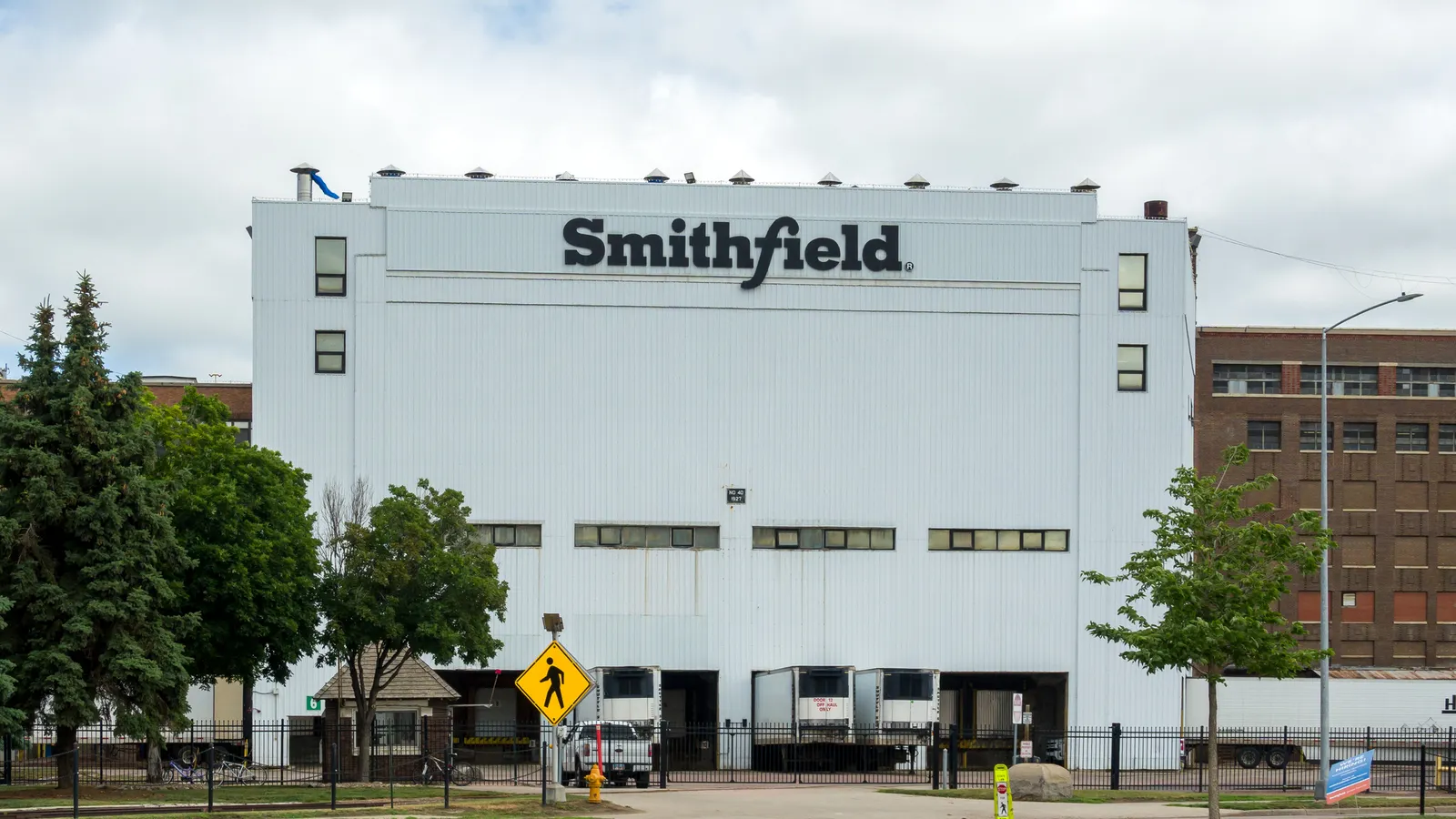
Smithfield Foods, a major pork producer, recently experienced a muted initial public offering (IPO) that fell short of its expectations. The company aimed for a valuation of over $900 million, but the actual proceeds from the public offering were significantly lower, amounting to $522 million. This underperformance has raised questions about the company's market position and investor sentiment.
The IPO, which was expected to be a significant milestone for Smithfield, highlighted the challenges faced by companies in the agricultural sector in recent years. The global pork market has been volatile due to factors such as the African Swine Fever outbreak, trade restrictions, and changing consumer preferences. These challenges have put pressure on pork producers to adapt and find new markets.
Despite the lower-than-expected IPO, Smithfield's management has remained optimistic about the company's future prospects. The company has been focusing on expanding its operations in Asia, where demand for pork is growing rapidly. Additionally, Smithfield has been investing in sustainable farming practices and technology to improve efficiency and reduce costs.
The IPO's underperformance can be attributed to several factors. Firstly, the timing of the offering coincided with a period of market volatility, which may have deterred some investors from participating. Secondly, the company's valuation expectations may have been unrealistic given the current economic climate and the challenges faced by the pork industry.
Investors and analysts have expressed mixed reactions to the IPO's outcome. Some believe that the lower valuation reflects a more realistic assessment of Smithfield's potential, while others argue that it could signal a lack of confidence in the company's ability to navigate the industry's challenges.
Smithfield's IPO performance is part of a broader trend in the agricultural sector, where companies are increasingly facing scrutiny and pressure to deliver strong financial results. The sector's reliance on global trade and fluctuating commodity prices makes it particularly susceptible to market disruptions.
Looking ahead, Smithfield will need to focus on executing its strategic plans effectively to build investor confidence and achieve its growth objectives. The company's ability to adapt to changing market conditions and capitalize on emerging opportunities in Asia will be crucial in determining its long-term success.
In conclusion, Smithfield's IPO underscored the challenges faced by the pork industry and the uncertainties in the current market environment. While the outcome was a disappointment for the company, it also highlighted the need for strategic adaptation and resilience in the face of global economic and industry-specific challenges. As Smithfield continues to navigate these complexities, its focus on sustainable practices and expansion into high-growth markets will be key to its future performance.









