
Smartphones Now Involved in Nearly Every Police Investigation
Cellebrite data confirms digital evidence is now central to almost all cases
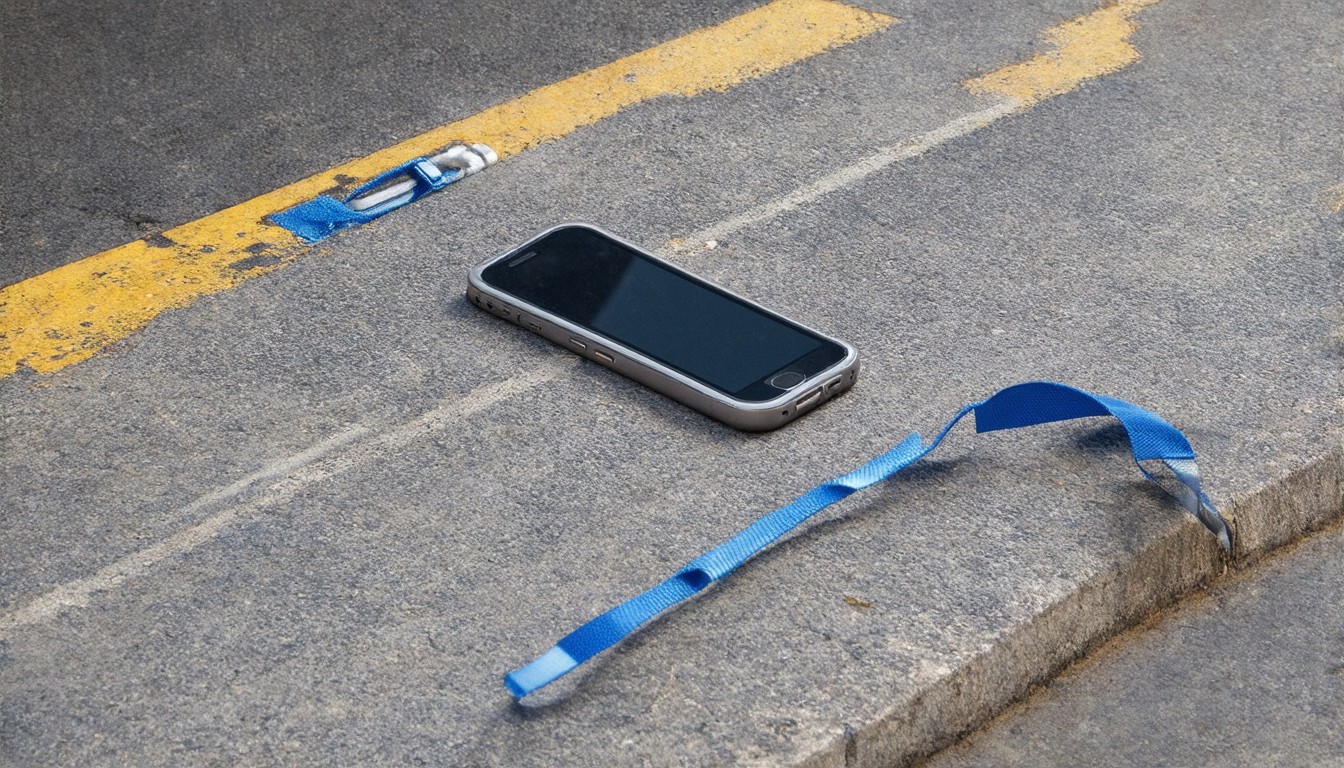
In recent years, the role of smartphones in police investigations has transformed dramatically, with digital evidence becoming central to nearly every case. This shift is underscored by data from Cellebrite, a leading provider of digital forensics solutions, which highlights the increasing reliance on smartphones as a primary source of information in investigations.
The rise of smartphones has made them indispensable tools for both individuals and law enforcement. With the ability to store vast amounts of data—including text messages, emails, photos, and location records—smartphones have become a goldmine for investigators. This is particularly true in cases involving cybercrime, where digital footprints left on devices can provide crucial clues.
One of the key factors driving this trend is the pervasive use of smartphones in daily life. According to recent statistics, over 90% of adults in developed countries own a smartphone, and this number continues to grow. As a result, investigators are increasingly turning to these devices to uncover evidence that might otherwise remain hidden.
Cellebrite's data reveals that digital evidence from smartphones is now a critical component in over 90% of police investigations. This includes everything from simple theft cases to complex cybercrimes, such as identity theft, fraud, and even terrorism. In many instances, the data recovered from smartphones has been pivotal in solving cases that would otherwise have remained unsolved.
For example, in a recent high-profile case, investigators used data recovered from a suspect's smartphone to trace their movements and identify key contacts. This information helped build a comprehensive timeline of the suspect's activities, leading to a successful conviction.
The ability to extract data from smartphones has also revolutionized the way investigations are conducted. Traditional forensic methods, such as examining physical evidence, have been supplemented by digital forensics, which allows investigators to analyze data in real-time. This not only speeds up the process but also provides a more comprehensive view of the case.
However, this reliance on smartphones also raises important questions about privacy and security. As more personal and sensitive information is stored on these devices, there is a growing concern about how this data is accessed and used by law enforcement. Critics argue that this could lead to overreach and infringement on civil liberties.
Despite these concerns, the benefits of using digital evidence in investigations are undeniable. By providing a wealth of information, smartphones have become an essential tool for law enforcement, helping to solve crimes more efficiently and effectively.
In conclusion, the integration of smartphones into police investigations is a testament to the evolving nature of crime and the need for innovative approaches to solving cases. As technology continues to advance, it is likely that digital evidence will play an even more central role in the future. While privacy concerns remain, the undeniable advantages of leveraging smartphones in investigations make it a tool that is here to stay.








