
Small cap-focused Russell 2000 becomes first U.S. benchmark to enter correction territory
Small caps are especially sensitive to changes in oil prices and a slowdown in the economic cycle.
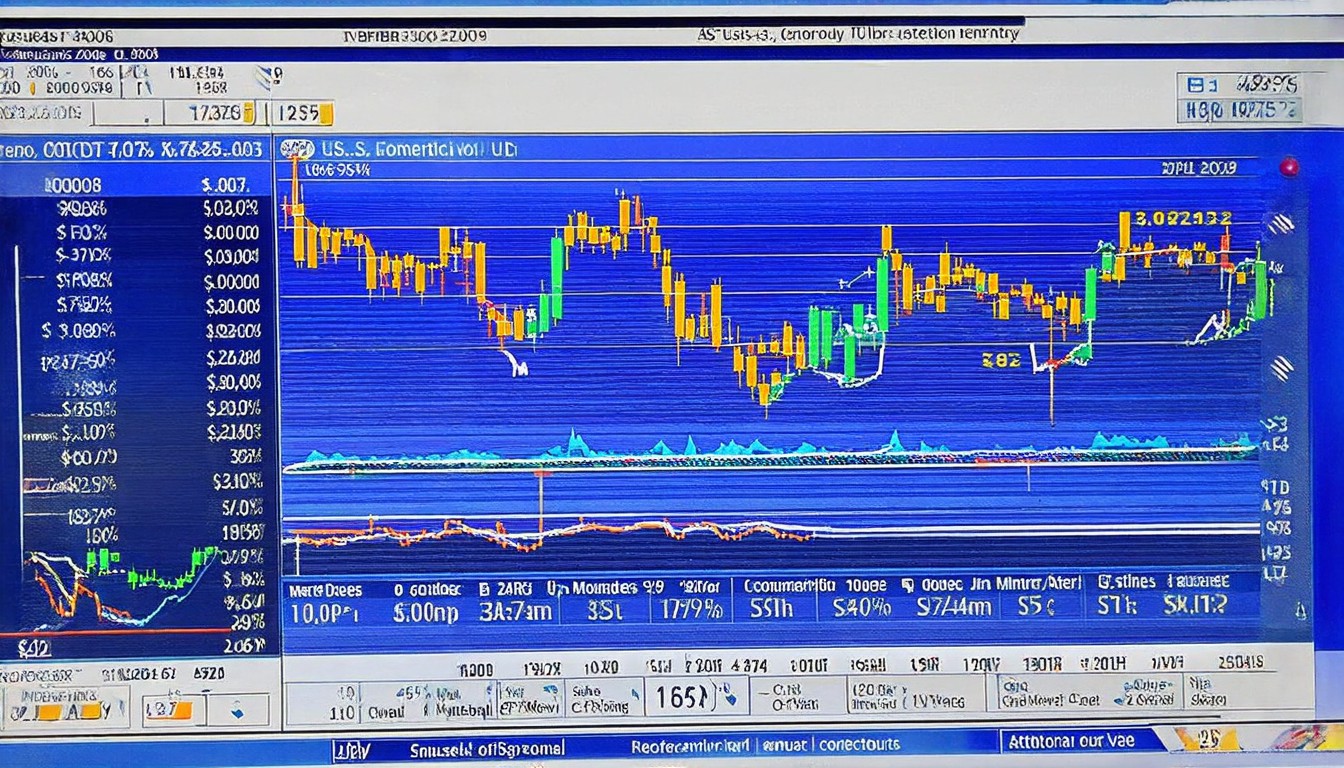
The Russell 2000, a benchmark index tracking the performance of small-cap U.S. companies, has recently entered correction territory, marking the first time a major U.S. benchmark has faced such a downturn. This development highlights the unique vulnerabilities of small-cap stocks, which are often more sensitive to economic fluctuations and external factors like oil prices.
Small-cap companies, defined as those with a market capitalization below $4 billion, typically have limited resources compared to their larger counterparts. This makes them more vulnerable to economic downturns and shifts in market sentiment. The Russell 2000, which includes these smaller firms, has historically been a barometer for economic growth, as small businesses often lead the charge in expansion during robust periods. However, this same characteristic makes them more susceptible to corrections when economic conditions worsen.
One of the primary factors driving the recent correction in the Russell 2000 is the volatility in oil prices. Small-cap companies often rely on lower-margin operations and have less financial flexibility to absorb the impacts of fluctuating commodity prices. For instance, companies in the energy sector, which are heavily represented in small caps, can suffer significant losses if oil prices drop sharply. Additionally, small-cap firms may struggle to pass on cost increases to consumers as efficiently as larger corporations, further exacerbating their financial challenges during periods of economic uncertainty.
Another critical factor contributing to the correction is the slowdown in the economic cycle. As the Federal Reserve tightens monetary policy to combat inflation, interest rates rise, which can lead to higher borrowing costs for small businesses. This increased financial burden can reduce profitability and limit growth opportunities for these companies. Furthermore, a slower economic growth rate can lead to reduced consumer spending and business investment, directly impacting the performance of small-cap stocks.
The correction in the Russell 2000 serves as a reminder of the risks associated with investing in small-cap companies. While these firms often offer higher growth potential, their sensitivity to economic conditions and external factors can lead to significant volatility. Investors who are aware of these vulnerabilities can better manage their portfolios and mitigate potential losses.
Despite the correction, there are still opportunities within the small-cap space. Many small-cap companies have the agility to adapt quickly to changing market conditions, making them well-positioned to capitalize on emerging trends and innovations. As the economy continues to evolve, it will be crucial for investors to stay informed about the specific industries and sectors that are most likely to thrive in a changing landscape.
In conclusion, the entry of the Russell 2000 into correction territory underscores the unique challenges faced by small-cap companies. Their sensitivity to oil prices and economic cycles highlights the importance of diversification and careful risk management in today's volatile markets. While the correction presents challenges, it also offers insights into the potential for growth in the small-cap sector, provided investors approach their investments with a nuanced understanding of the underlying risks and opportunities.









